

Start in the Historic District
Savannah’s identity is built on its grid of twenty-two public squares, each draped in Spanish moss and surrounded by stately Victorian homes. This layout makes the Historic District the ideal starting point for any itinerary. The area is entirely walkable, allowing you to experience the city’s slow pace without needing a car. Cobblestone streets and brick sidewalks provide a tactile connection to the past, while the shade of ancient oaks offers relief from the Georgia heat.
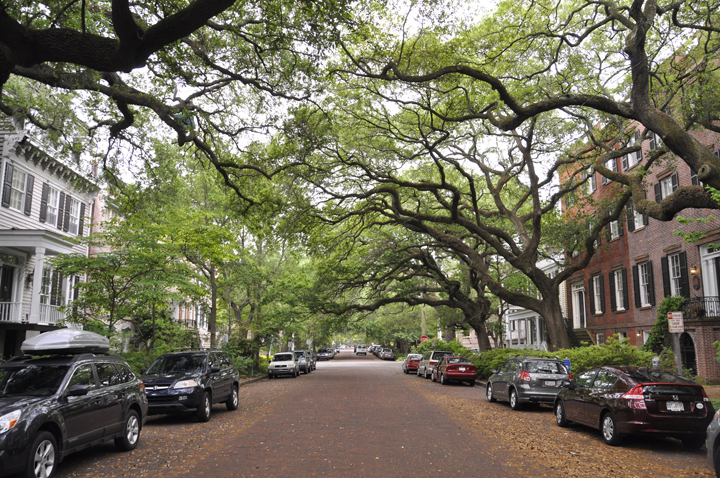
Jones Street in the Historic District, known for its preserved architecture and moss-draped trees.
Walking here feels less like sightseeing and more like stepping into a living museum. You can wander from Forsyth Park to River Street in under an hour, stopping at local boutiques and edgy art galleries along the way. The density of history is palpable, with every block offering a new architectural detail or historical marker. This concentration of sights means you can cover the city’s core thoroughly in just one or two days.
While the Historic District is the cultural heart, it is distinct from the beach experience. Savannah is not a tropical destination; the Atlantic coast here is characterized by marshes, oyster bars, and a more rugged, temperate coastline. If you plan to visit the beach, expect a drive to Tybee Island or Hutchinson Island rather than immediate ocean access. For now, keep your focus on the squares, the architecture, and the local dining scene that thrives in the shadow of these historic buildings.
Explore parks and cemeteries
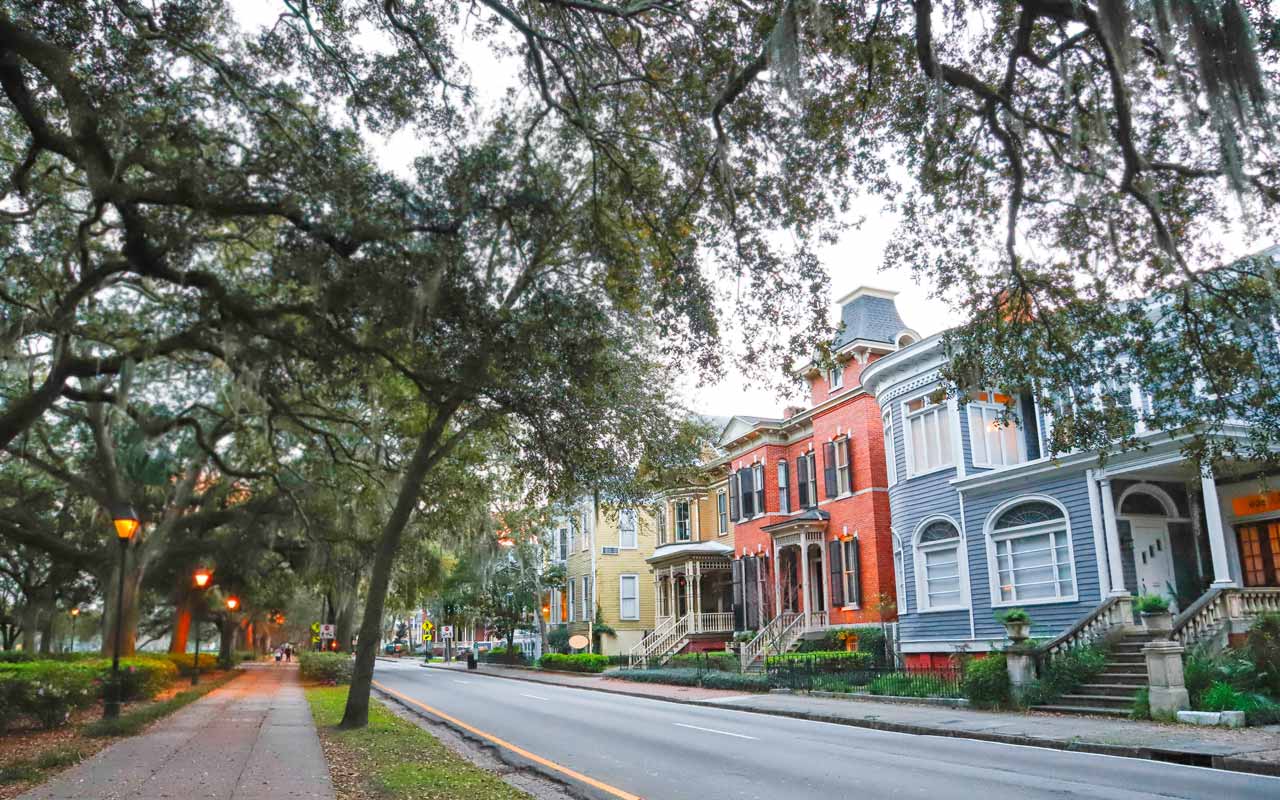
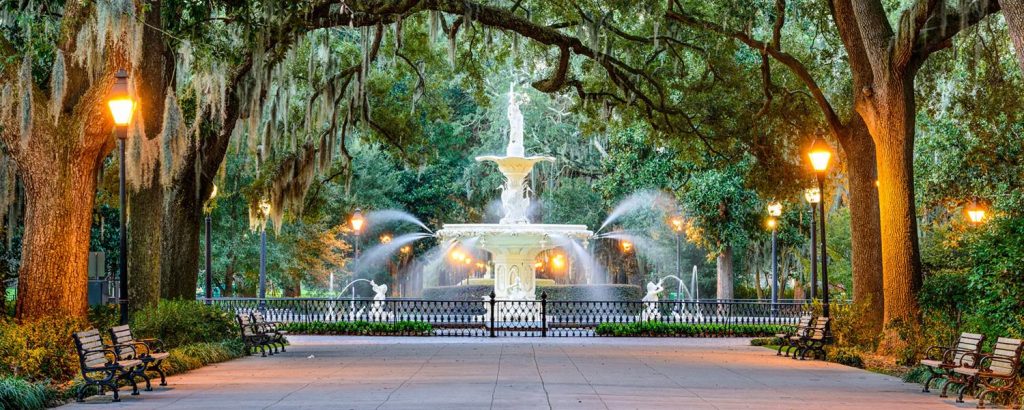
Savannah’s identity is built on its 22 squares, a grid of green spaces that softens the brick and cobblestone streets of the Historic District. These aren’t just decorative plots; they are the city’s living rooms. Forsyth Park offers a sprawling expanse with its iconic fountain and canopy of live oaks, while the smaller squares tucked between Victorian homes provide quiet corners for reading or people-watching. Walking from one to another reveals the architectural diversity of the city, from Greek Revival townhouses to Gothic Revival churches.
Beyond the parks, Savannah’s cemeteries are essential historical sites. Unlike the sprawling, rural cemeteries found elsewhere, Savannah’s burial grounds are enclosed within the city walls, often located near the squares. Bonaventure Cemetery, just outside the Historic District, is famous for its moss-draped cypress trees and gothic statues, offering a hauntingly beautiful glimpse into the past. Inside the district, Laurel Grove and Colonial Park Cemetery provide intimate, accessible histories of the city’s founders and residents.
The walkability of these sites is their greatest asset. You can easily spend an afternoon hopping between squares, stopping for coffee at a local shop, and wandering through the cemeteries without needing a car. This density allows for a deep, immersive experience of Savannah’s unique atmosphere, distinguishing it from other Southern cities that rely on larger, more dispersed attractions.
Visit Tybee Island and nearby beaches
Tybee Island sits just twenty minutes east of Savannah’s Historic District, making it the easiest coastal escape in the area. The drive along Highway 80 offers a distinct shift in atmosphere: the moss-draped oaks and cobblestone streets give way to pine forests and salt marshes before opening up to the Atlantic. This proximity allows you to experience both the historic charm of the city and the relaxed rhythm of the coast in a single day.
Tybee is divided into two distinct sections. The North End feels more residential and quiet, with older cottages and a local marina. The South End, where most visitors stay, is a bustling strip of motels, souvenir shops, and seafood restaurants. It’s walkable, but you’ll likely need a bike or car to get around comfortably, especially during peak summer weekends.
For dining, skip the tourist traps on Ocean Street and head to local favorites like The Crab Shack or Saltwater Cafe. These spots serve fresh catch without the inflated prices. If you prefer a quieter meal, the North End has several small cafes with outdoor seating where you can watch the boats come in.
Parking can be tight in July and August. Arrive before 10 a.m. to secure a spot near the pier or beach access points. If you’re staying in the Historic District, consider taking the free trolley to the edge of town and parking at the Tybee Island Transit Center, then catching the local shuttle to the beach.
Where to eat and drink locally
Savannah’s food scene is less about a single "best" restaurant and more about distinct culinary zones. The city’s walkability allows you to move from moss-draped squares to cobblestone streets without needing a car, making the Historic District the primary hub for dining. Here, lowcountry cuisine takes center stage. You’ll find shrimp and grits prepared with varying degrees of creativity, often accompanied by she-crab soup or fried green tomatoes. The atmosphere is as much a part of the meal as the food, with brick-walled patios and antebellum architecture setting the mood.
For a more relaxed vibe, head to Midtown. This area is where locals go for casual, unpretentious meals. You’ll find independent cafes, breweries, and eateries that prioritize quality ingredients over historic grandeur. It’s the place to go if you want to escape the tourist crowds while still enjoying excellent Southern comfort food. The walkability here is slightly less dense than in the Historic District, but still very manageable.
River Street offers a different experience entirely. While it provides stunning views of the Savannah River and historic warehouses, the dining options here lean heavily into the tourist market. Seafood is plentiful, but prices tend to be higher, and the atmosphere is more commercial. It’s worth a visit for the scenery, but for authentic local flavors, the Historic District and Midtown offer better value and depth.
To help you decide where to focus your culinary exploration, here is a comparison of the main dining zones:
| Zone | Vibe | Price | Best For |
|---|---|---|---|
| Historic District | Upscale, historic, romantic | $$$ | Lowcountry classics, fine dining, atmosphere |
| Midtown | Casual, local, relaxed | $$ | Everyday meals, cafes, breweries |
| River Street | Tourist-focused, scenic | $$$ | Seafood views, quick bites, souvenir shopping |
Plan your Savannah trip logistics
Savannah rewards those who plan ahead, particularly if you want to experience the Historic District at its best. The city’s walkability is its greatest asset, but that charm comes with specific logistical needs. From booking the right accommodation to managing your expectations for beach days, here is how to structure your visit.
Stay within the Historic District to maximize your time on foot. The cobblestone streets and moss-draped oaks are best experienced without a car. Hotels fill quickly during spring and fall festivals, so book months in advance. If you stay outside the district, you will spend valuable time commuting rather than exploring the brick-lined squares.
The Historic District is compact and designed for pedestrians. Wear comfortable shoes with good grip for the uneven cobblestones. While rideshares are available, they often struggle with the narrow, one-way street grid. Walking allows you to discover hidden courtyards and local art that you would miss from a vehicle.
Tybee Island is only 18 miles from downtown, but it is not a tropical paradise. The Atlantic water is often murky, and the waves can be rough. Treat it as a casual day trip for seafood and sunset views rather than a swimming destination. Bring your own gear, as rental prices spike during peak season.
Savannah’s food scene is deeply local, with many popular spots having no signage or online presence. Make reservations for dinner at least a week ahead, especially for brunch. Avoid generic tourist traps near River Street; instead, ask your hotel concierge for recommendations in neighborhoods like Starland District or Ardsley Park for authentic local flavors.
Checklist
- Book Historic District hotel early
- Download offline maps for the grid
- Reserve popular restaurant tables
- Pack comfortable walking shoes
- Plan Tybee Island as a half-day trip
Common questions for first-time visitors
Navigating Savannah’s historic core is best done on foot. The district is compact, with tree-lined squares and cobblestone streets that invite slow, meandering exploration. While carriages and golf carts share the roads, the grid layout is intuitive, and most major sites are within a ten-minute walk of each other. Parking can be tight, so consider staying within the Historic District to avoid the hassle of shuttling between attractions.
A two- to three-day stay is ideal for experiencing the city’s rhythm without rushing. This timeframe allows you to wander through Forsyth Park, explore the cobblestone lanes of the Historic District, and enjoy a leisurely dinner without feeling rushed. Savannah is a city best savored, not sprinted through. Take time to sit in a square and watch the moss sway in the breeze.
Beaches are a short drive away, but manage your expectations. Tybee Island offers a classic Atlantic coast experience with sandy shores and a lively pier, but it is not a tropical paradise. The water is cooler, and the waves can be rougher than what you might find in the Caribbean. Pack sunscreen and a jacket for the evening breeze; the coastal climate shifts quickly.
No comments yet. Be the first to share your thoughts!