
Start in the historic district
Savannah’s historic district is less a collection of buildings and more a living grid of public rooms. Designed by General James Oglethorpe in 1733, the layout divides the city into 22 squares, each serving as a green lung and a social hub. Walking here feels like moving through a series of open-air rooms, framed by oak trees draped in Spanish moss and surrounded by Federal, Georgian, and Victorian architecture. The scale is intimate, the pace slow, and the history palpable in every brick and ironwork balcony.
The district is entirely walkable, but the heat and humidity in summer can make midday strolls grueling. Plan your route to stay in the shade whenever possible. The squares are not evenly distributed; they cluster most densely between Abercorn Street and the river, and between East Broad Street and Montgomery Street. Map out a loop that hits the major squares—Chippewa, Johnson, Wright, and Madison—without backtracking unnecessarily.
Start your exploration at Chippewa Square, famous for its role in Forrest Gump, but don’t stop there. Move west toward Johnson Square, home to the Savannah History Museum and the monument to General James Oglethorpe. From here, you can easily walk north to Wright Square, which features the city’s oldest public park, or east to Madison Square, known for its elegant ironwork and the historic Mercer-Williams House. Each square has its own character, from the bustling activity of Forsyth Park at the northern edge to the quiet, residential charm of the smaller squares in the north end.
The architecture tells the story of Savannah’s wealth and resilience. Many buildings survived the Civil War and the Great Fire of 1898, so look closely at the details: the fanlights above doors, the wrought-iron balconies, and the brickwork patterns. The district is also home to some of the best-preserved row houses in the country, particularly along Bull Street and Abercorn Street. These streets are lined with boutiques, galleries, and restaurants, making them ideal for a leisurely afternoon stroll.
As evening falls, the atmosphere shifts. The squares become quieter, and the streetlights cast a warm glow on the historic facades. This is the best time to explore the smaller alleys and side streets, where you might stumble upon hidden courtyards or live music spilling out from a local bar. The historic district is a place to be seen and to see, but it’s also a place to simply be. Take your time, wander off the main thoroughfares, and let the city reveal its secrets at its own pace.
Walk the famous squares
Savannah’s historic district is essentially a grid of green lungs, but not every square is worth your time. The best approach is to treat them as stops on a curated loop rather than random points of interest. Start at Chippewa Square, the city’s most famous open space, and work your way north toward Madison Square. This route balances high-visibility landmarks with quieter, architecturally rich pockets that offer a clearer picture of Savannah’s layered history.
Chippewa Square draws crowds for the Forrest Gump bench, but the real draw is the surrounding oak canopy. The square was designed in 1818 and named after General William J. Chippewa. While the bench is a pop-culture artifact, the square itself is a serene example of the city’s original 1733 layout. Look up to see the Spanish moss hanging from the live oaks, which creates a natural cathedral effect. It’s a busy spot, so move through it quickly to keep your momentum for the next few blocks.
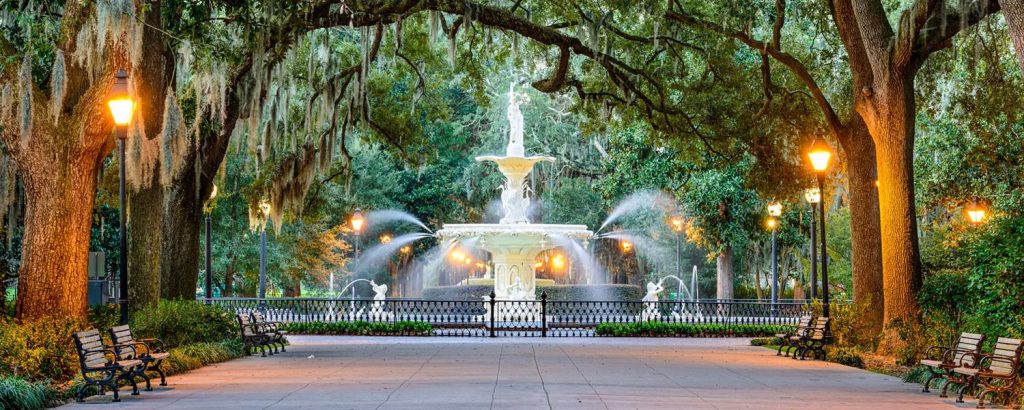
From Chippewa, head north on Abercorn Street to Johnson Square. This is the largest square in the historic district and serves as a central hub. It features the monument to James Oglethorpe, the founder of Georgia. The square is flanked by grand antebellum homes and the Cathedral of St. John the Baptist. It’s less crowded than Chippewa and offers a better vantage point for photography, especially in the late afternoon when the light hits the limestone facades.
Continue north to Wright Square, named after General Samuel Wright. This square is home to the first cotton exchange building in the South and features a statue of General Nathanael Greene. The atmosphere here is more subdued, with fewer tourists and more locals sitting on the benches. It’s a good place to pause and observe the contrast between the historic architecture and the modern city life that has grown up around it. From Wright Square, you can easily branch out to the nearby Forsyth Park or continue north to Ellis Square, completing a logical and visually rewarding walking circuit.
Where to stay in Savannah
Choosing where to rest your head in Savannah means picking a neighborhood vibe as much as a price point. The city’s historic district is a maze of oak-shaded squares and cobblestone streets, so your location dictates your walkability. Staying near River Street or the Forsyth Park area keeps you within steps of the best eats and views, while the Victorian District offers a quieter, residential feel.
Savannah’s lodging scene is defined by its historic character. Boutique hotels and bed-and-breakfasts often occupy restored antebellum homes, featuring high ceilings, wrought-iron balconies, and courtyards draped in Spanish moss. These properties offer an immersive experience but can be pricey during peak season. Modern chain hotels are available but often feel disconnected from the city’s unique atmosphere.
To help you decide, here is a comparison of the main accommodation types found in the historic district.
| Accommodation | Best Location | Price Range | Vibe |
|---|---|---|---|
| Historic B&B | Near Forsyth Park or Lafayette Square | $$-$$$ | Intimate, romantic, historic charm |
| Boutique Hotel | River Street or Bull Street | $$$-$$$$ | Stylish, local art, central access |
| Modern Chain Hotel | Outside Historic District or near I-16 | $-$$ | Standard amenities, quiet, car-dependent |
| Vacation Rental | Victorian District or Ardsley Park | $$-$$$ | Residential, spacious, kitchen access |
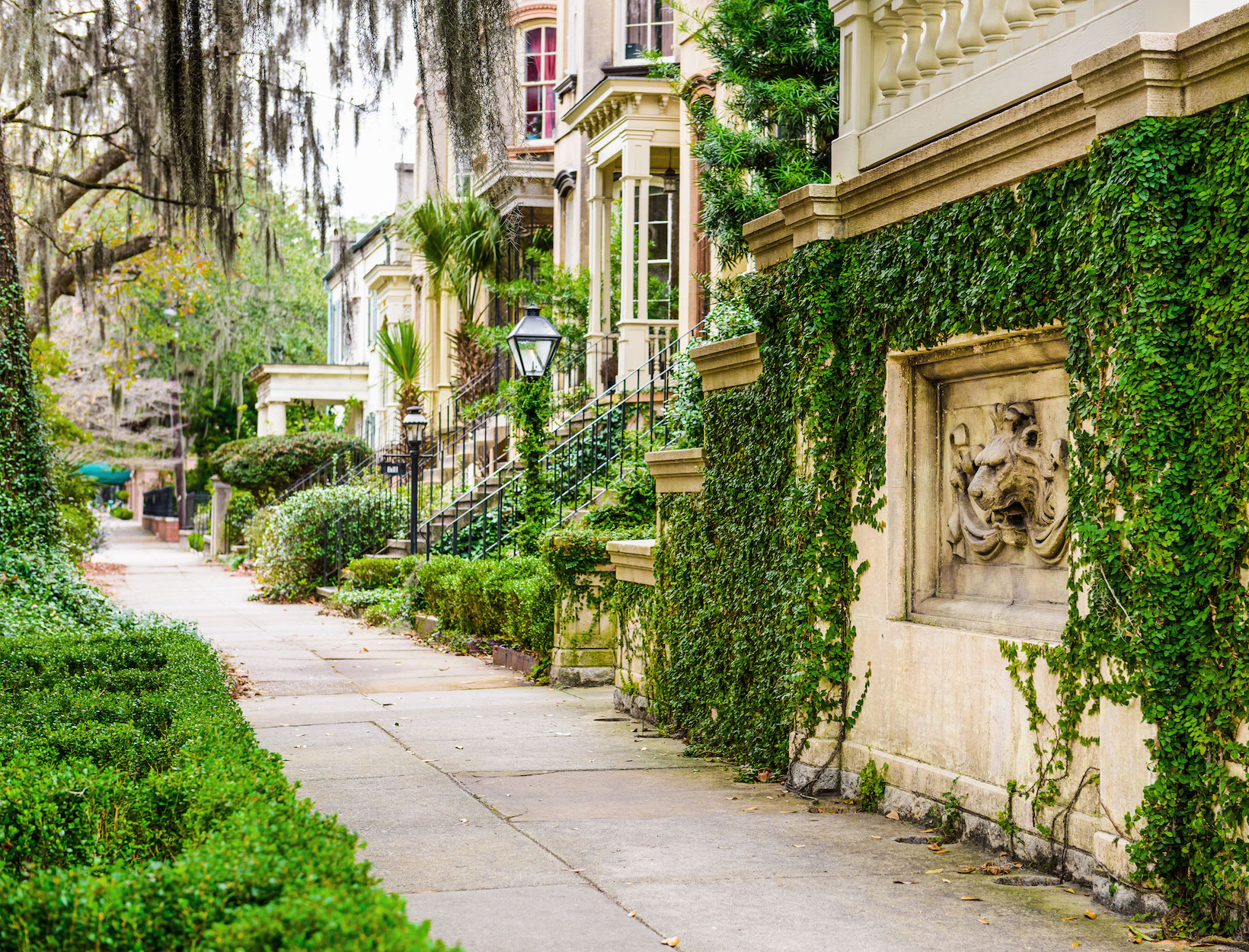
If you prioritize walkability, book within the Historic District. The squares are the heart of the city, and staying near one lets you explore on foot. For a quieter stay, consider the Victorian District, where you’ll find beautifully restored homes and a more local feel, though you may need a rideshare to reach the main tourist spots. Always check the specific street names; some areas are steeped in history, while others are more modern.
Eat like a local
Savannah’s food scene thrives outside the main thoroughfares of Broughton Street. To taste the city authentically, follow the morning crowds to the historic squares where breakfast is a slow, social ritual. Start at The Colonial Canteen near Chippewa Square. The diner feels like a time capsule, serving classic Southern comfort food in a setting where locals debate politics and weather over steaming plates of grits and eggs. It’s a no-frills experience that anchors you in the city’s daily rhythm before the tour buses arrive.
For lunch, wander toward the River Street district but skip the waterfront tourist traps. Instead, head inland to The Grey Market, located in the former Greyhound bus station. The space is an architectural marvel, blending the industrial brickwork of the old terminal with modern culinary design. Here, you can sample dishes from multiple local chefs, such as the famous shrimp and grits or the spicy pork belly. It’s a hub for Savannah’s new wave of chefs, offering a concentrated taste of the city’s evolving palate without leaving the historic center.
Dinner requires planning. The Olde Pink House, situated on Bull Street, is a staple of Savannah’s culinary history, housed in an 18th-century pink stucco mansion. The atmosphere is elegant, with white tablecloths and the scent of magnolias drifting from the courtyard. Reservations are essential, often booked weeks in advance. If you prefer something more casual, try Husk Savannah in the Forsyth Park area. The menu focuses on seasonal, locally sourced ingredients, reflecting the agricultural richness of the surrounding Georgia countryside. The brick-walled dining room feels intimate and warm, perfect for ending a day of walking through the city’s shaded squares.
Pack for Savannah weather
Savannah’s humid subtropical climate means the air feels heavy even before you step outside. The heat doesn’t just sit on the surface; it lingers in the brick-lined streets of the Historic District and clings to the moss-draped oaks in Forsyth Park. Packing for this environment requires a shift in strategy: prioritize breathability over style, and assume you will be walking more than you planned.
The city’s grid of squares creates natural wind tunnels, but the humidity remains constant. You’ll be navigating cobblestones on Broughton Street and wide plazas on Johnson Square, so your footwear needs to handle uneven surfaces without trapping sweat. Lightweight, moisture-wicking fabrics are non-negotiable for comfort during long strolls.
Use this checklist to build a wardrobe that keeps you cool and ready for the city’s unique atmosphere.
Stick to linen, cotton, or technical synthetics. Heavy denim or wool will become unbearable by midday, especially when you’re walking between the squares. Light colors reflect the sun better than dark shades, helping you stay cooler while exploring the open-air market areas.
Your shoes need to handle cobblestones, grass, and potentially wet pavement. Comfortable walking sandals with good arch support or breathable sneakers are ideal. Avoid flip-flops for daytime exploring, as they offer little protection on uneven historic streets and can lead to tired feet by evening.
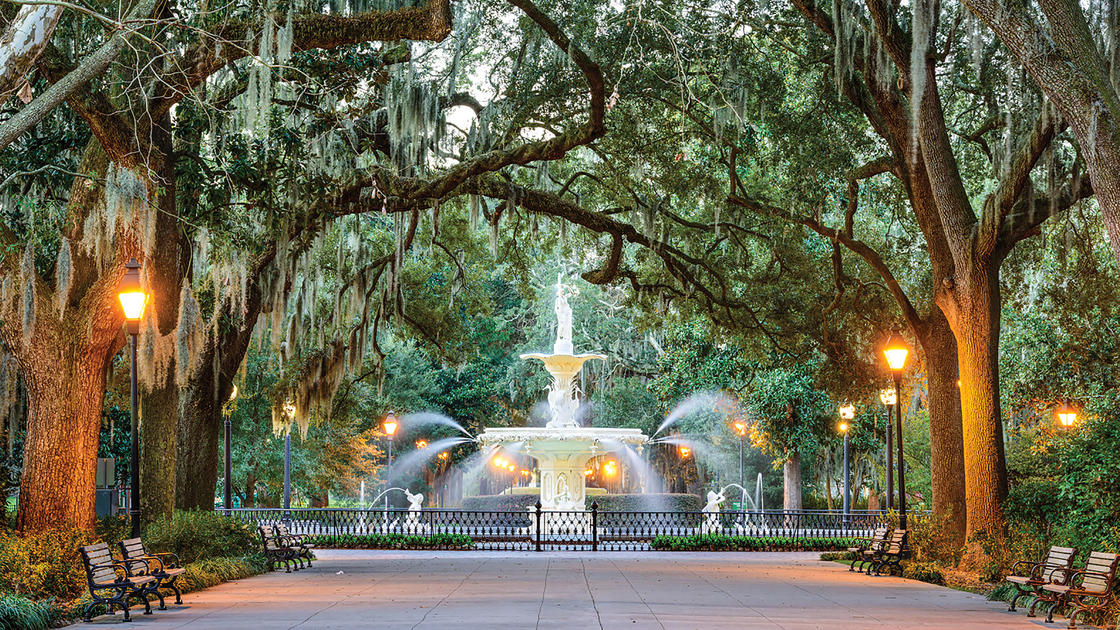
Savannah weather shifts quickly. A compact umbrella is essential for sudden summer showers, while a wide-brimmed hat and high-SPF sunscreen protect you during peak sun hours in the squares. The humidity makes sweat run off your skin, so water-resistant sunscreen is a practical choice to prevent sticky residue.
No comments yet. Be the first to share your thoughts!