

Where to stay in Savannah
Savannah’s accommodation landscape splits into two distinct experiences: the historic charm of the downtown squares and the modern convenience of the midtown corridor. Choosing between them depends on whether you prioritize walking to historic sites or seeking out contemporary amenities. The city is compact, but the vibe shifts significantly as you move away from the riverfront.
Historic District: Immersion in History
Staying in the Historic District puts you steps from Forsyth Park, the city squares, and the best dining. This area is defined by restored antebellum homes converted into boutique hotels and bed & breakfasts. It offers an immersive atmosphere but comes with a premium price tag and limited parking. Most properties are walkable to major attractions, making this ideal for first-time visitors who want to feel the city’s rhythm. Expect rates to start around $200 per night for standard rooms, with luxury suites climbing higher.
Midtown: Modern Comforts
Midtown, located just north of the historic district, features newer hotels, larger chains, and more spacious rooms. This area is quieter at night and offers easier access to the Savannah College of Art and Design (SCAD) and the Tybee Island ferry. It is a practical choice for travelers who prefer modern infrastructure, on-site gyms, and complimentary breakfasts. Rates here are generally more competitive, starting around $150 per night for mid-tier options.
Pet-Friendly Options
Savannah is exceptionally dog-friendly, but not all hotels accommodate pets equally. Many historic inns allow dogs with restrictions on size and breed, often charging a one-time fee. Midtown chains typically offer more flexible pet policies, sometimes waiving fees for registered service animals or offering pet amenities. Always call ahead to confirm current pet policies, as they can change seasonally.
| Area | Price Range | Vibe | Pet Policy |
|---|---|---|---|
| Historic District | $200+ | Boutique, historic, walkable | Limited, fees apply |
| Midtown | $150+ | Modern, quiet, spacious | Flexible, often free |
| River Street | $250+ | Lively, tourist-heavy | Varies, check individually |
Booking Tips
Book early for the Historic District, especially during fall and spring when the weather is mild and festivals abound. If you are visiting in summer, Midtown may offer better value and air conditioning reliability. Consider staying slightly outside the Historic District if you plan to drive, as street parking can be scarce and expensive in the core zones. Use a map to verify walking distances, as some "historic district" hotels are on the periphery.
Top things to do in Savannah
Savannah balances historic grandeur with relaxed, walkable neighborhoods. The city’s layout centers on 22 original squares, creating a grid of shaded parks that serve as natural meeting points. Most visitors start their day at Forsyth Park, where the iron lace fountain and sprawling gardens offer a quiet contrast to the bustling historic district. It is a prime spot for morning coffee or an evening stroll, free of charge and open to the public.
From the park, head toward River Street to see the city’s maritime roots. The cobblestone wharf is lined with warehouses converted into shops and restaurants, offering views of the Savannah River. While the area is a tourist hub, the architecture remains intact, and the riverfront walks provide a scenic backdrop for sunset photos. Parking can be tight during peak hours, so arriving early or using a nearby garage is advisable.
For a different perspective, explore Bonaventure Cemetery just outside the downtown core. Known for its Spanish moss-draped live oaks and haunting beauty, it is one of Savannah’s most photographed sites. The cemetery is open daily, and self-guided tours are available. It offers a somber, reflective counterpoint to the lively squares and bustling riverfront, making it a essential stop for those seeking the city’s deeper historical narrative.
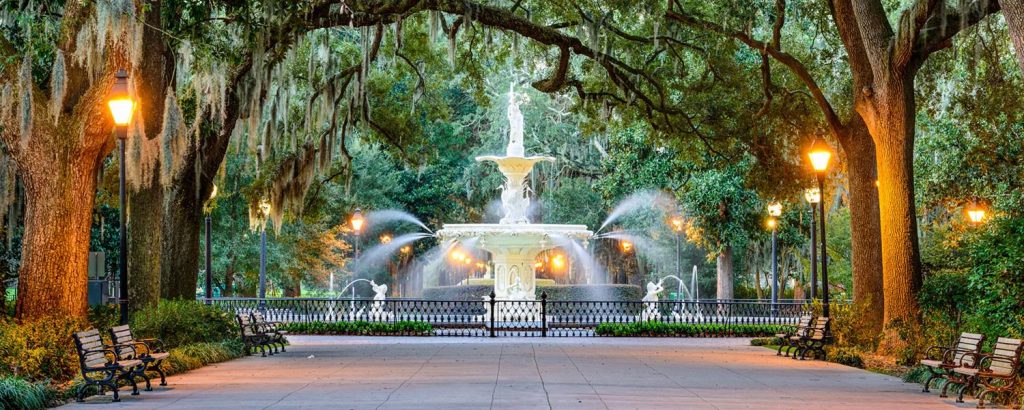
To help navigate these key attractions, the map below highlights the proximity of Forsyth Park, River Street, and Bonaventure Cemetery relative to the historic district center.
Savannah weather updates and best times
Savannah’s subtropical climate means the air feels heavy, especially from June through September. Average highs sit in the low 90s Fahrenheit, but the humidity often pushes the heat index well past 100°F. This isn’t just uncomfortable; it changes how you experience the city. Walking the historic district during midday sun can feel like a marathon, turning what should be a leisurely stroll into a test of endurance.
The best strategy is to flip your schedule. Plan your outdoor activities for the early morning or late afternoon when the sun is lower and the breeze off the Savannah River offers some relief. Mornings are ideal for exploring Forsyth Park or walking the squares before the heat builds. Evenings come alive as the temperature drops, making them perfect for dinner on the patio or a sunset stroll along the riverfront.
If you are visiting in the summer, pack light, breathable fabrics like linen or cotton. Avoid dark colors that absorb heat, and bring a hat and sunscreen for any outdoor exposure. While the summer heat can be intense, the city’s charm remains strong, especially when you pace yourself and respect the weather.
Spring (March to May) and fall (September to November) offer the most pleasant temperatures, with highs in the 70s and 80s. These seasons are popular for good reason, but they also draw larger crowds. If you prefer a quieter experience and don’t mind the occasional thunderstorm, summer can still be rewarding if you plan around the heat.
Plan your Savannah itinerary
Savannah’s walkable historic district is a delight, but the grid of squares and cobblestones can feel overwhelming without a loose plan. Treat your itinerary like a guided tour of your own making: pick a few anchors for each day and let the rest unfold. This approach keeps you from burning out on the heat while ensuring you hit the highlights, from Forsyth Park to the cobblestone streets of the River Street area.
Start by booking your core accommodations and major experiences well in advance. Savannah’s historic inns and boutique hotels fill up quickly, especially during the summer festival season and fall foliage months. Secure your pet-friendly lodging early if you’re traveling with a dog, as many of the best stays have limited pet capacity. Once your base is set, look into skip-the-line tickets for popular attractions like the Bonaventure Cemetery or the Mercer-Williams House to save time on-site.
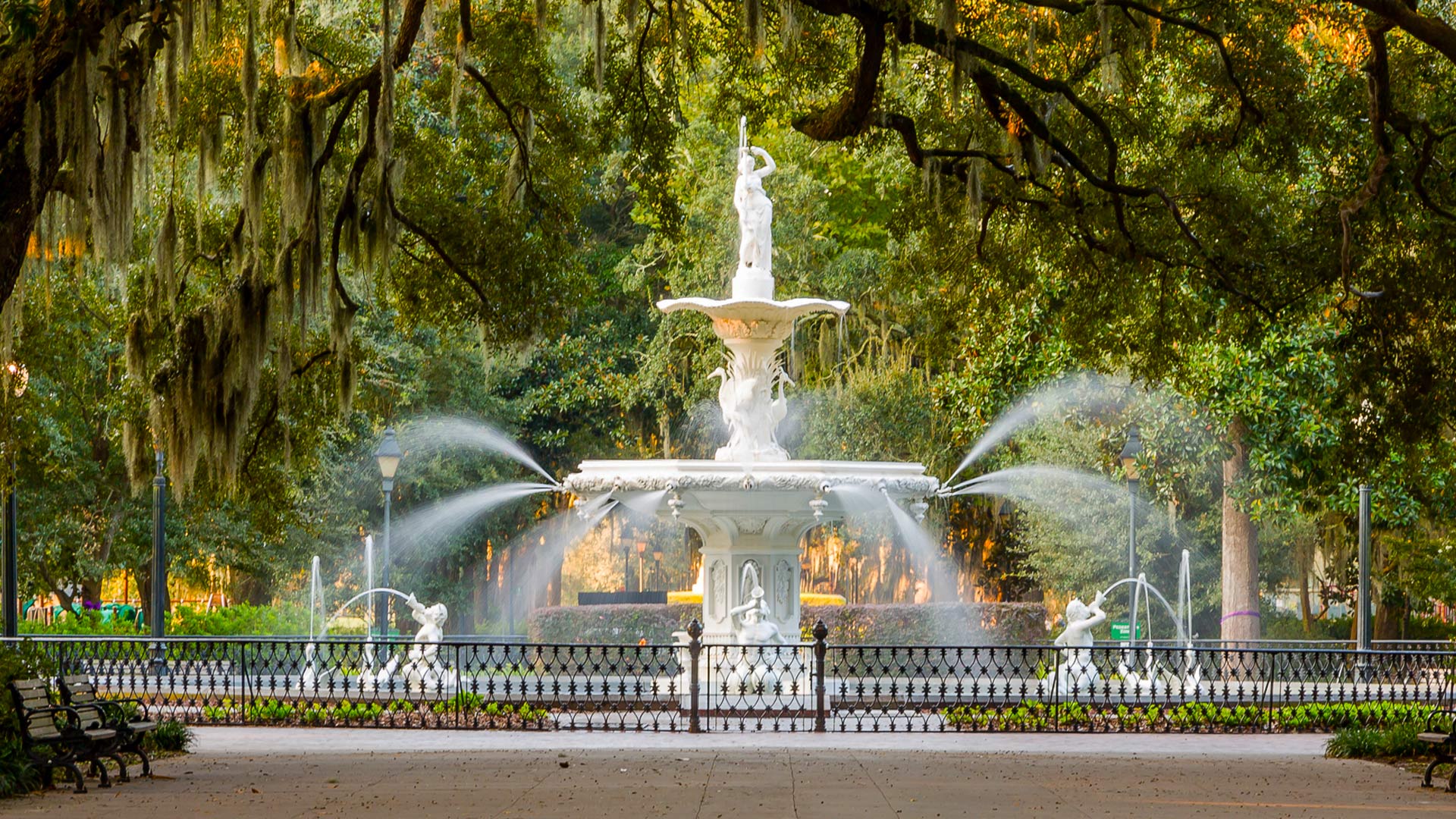
Group your activities by neighborhood to minimize walking in the heat. The Historic District, Mid-Town, and Victoria Square each have distinct vibes. Spend your mornings in the cool shade of the squares or inside museums, and save River Street and Forsyth Park for late afternoons when the light is golden and the breeze picks up.
Savannah’s calendar is packed with festivals like the Savannah Music Festival and the St. Patrick’s Day Parade, which can impact traffic and hotel rates. Always check if specific sites, such as the Owens-Thomas House or the Savannah History Museum, have temporary closures for private events or maintenance before you head out.
Comfort is non-negotiable. Wear breathable fabrics, sturdy walking shoes with good support for cobblestones, and always carry sunscreen and a reusable water bottle. If you’re visiting in summer, plan indoor breaks during the midday heat spike, typically between 1 PM and 3 PM.
Finally, consider your transportation options. While the walkability of the Historic District is a major perk, the Savannah Belles Ferry or the free DASH trolley can be handy for longer distances or for avoiding the hottest parts of the day. Download the DASH app or check the schedule at the visitor center to make the most of these efficient local transit options.
Common questions about visiting Savannah
Savannah is a walkable city with a distinct layout, but it comes with specific logistical quirks regarding parking, safety, and local etiquette. Here are the practical answers to the most frequent traveler questions.
Is Savannah safe for tourists?
The historic district is generally safe for visitors, especially during daytime and early evening hours when the squares and River Street are bustling. Like any popular destination, petty crime can occur, so standard precautions apply: stay aware of your surroundings, don’t leave valuables in rental cars, and stick to well-lit, populated areas at night. The downtown police department maintains a visible presence, and the city’s layout is easy to navigate, reducing the likelihood of getting lost. For a deeper understanding of local safety initiatives, you can check the Savannah Police Department website.
How much does a trip to Savannah cost?
Savannah offers a range of options, but it can be pricey during peak seasons like St. Patrick’s Day or Christmas. Budget travelers can manage on $100–$150 per day by staying in boutique motels outside the historic district and eating at local food trucks or casual spots like The Grey Market. Mid-range travelers should expect $200–$300 per day, including a historic inn, dinner at a sit-down restaurant, and a guided tour. Luxury travelers can easily spend $500+ per night on accommodations like The Marshall House or The Cotton House Hotel. Parking is often the biggest hidden cost; most historic district hotels charge $20–$30 per night for self-parking, and street meters are strictly enforced.
What should I know about local etiquette and dress code?
Savannah is known for its Southern hospitality, and a polite demeanor goes a long way. Greet shop owners and servers with a friendly "hello" or "thank you." While the weather is humid, many upscale restaurants and hotels maintain a smart-casual dress code, so avoid wearing flip-flops or beachwear after 6 PM. If you’re visiting a church or historic site, dress modestly. Tipping is standard: 15–20% for servers, 15% for bartenders, and $2–$5 per bag for hotel bellhops.
Are pets allowed in Savannah’s historic district?
Yes, Savannah is very pet-friendly. Many hotels, including the Hotel Bardo and The Marshall House, welcome dogs with specific fees and restrictions. Most outdoor patios of restaurants allow pets, and Forsyth Park has a designated off-leash area. However, pets are generally not allowed inside historic homes, museums, or churches due to preservation and allergy concerns. Always carry waste bags and keep your pet on a leash in public squares to respect other visitors.
What is the best time of year to visit?
Spring (March–May) and Fall (September–November) offer the most pleasant weather, with temperatures in the 60s and 70s°F. Summer (June–August) is hot and humid, with frequent afternoon thunderstorms, but it’s also the cheapest time to visit. Winter (December–February) is mild but can be chilly, with temperatures dipping into the 40s°F. Avoid St. Patrick’s Day (mid-March) if you dislike crowds and inflated prices. For a quieter experience with fewer tourists, consider visiting in late January or early February.
No comments yet. Be the first to share your thoughts!