
Plan your trip to Savannah
Savannah offers a distinct rhythm that rewards visitors who plan around its layout and weather. The city is built on a grid of 22 historic squares, creating a walkable core where tree-lined streets and antebellum architecture define the experience. Staying in the Historic District places you within walking distance of most major sites, restaurants, and riverfront attractions, eliminating the need for a car during your stay.
Timing your visit is critical for comfort. Savannah’s humidity peaks in summer, with temperatures often exceeding 90°F (32°C) and frequent afternoon thunderstorms. The most pleasant weather occurs in spring (March to May) and fall (September to November), when daytime highs sit between 70°F and 80°F. Winter is mild but can be damp, while summer offers fewer crowds and lower hotel rates if you can tolerate the heat.
The Historic District is compact but dense with activity. Most visitors spend their days exploring the squares, walking along River Street, and dining in Forsyth Park or Starland District. For a broader view of the city’s layout and nearby islands, refer to the official Visit Savannah map for route planning and district details.
The 22 Public Squares
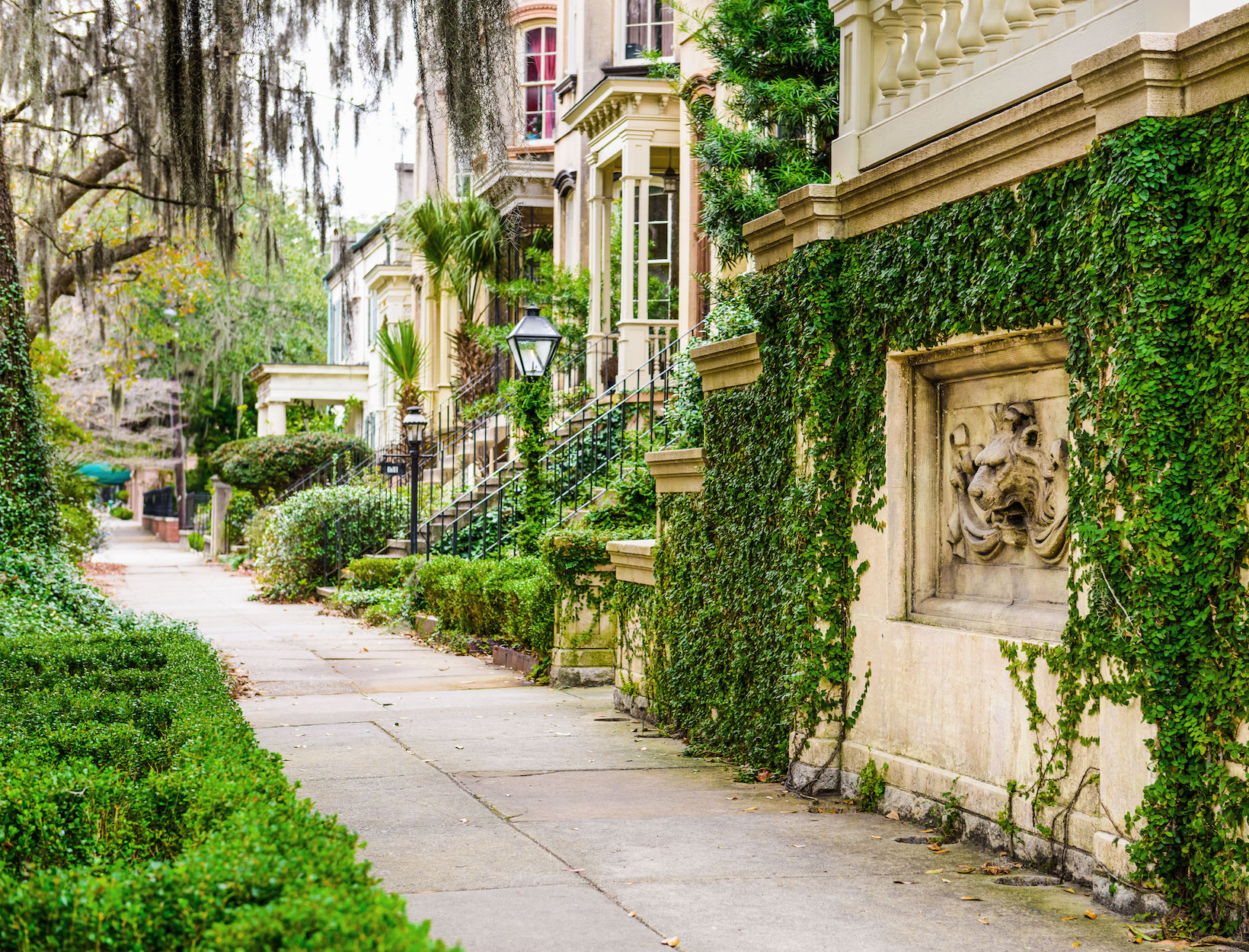
Savannah is built on a grid of 22 public squares, a layout designed by General James Oglethorpe in 1733. These green spaces are not just decorative; they are the city’s living rooms. Each square has a distinct character, ranging from quiet, moss-draped gardens to bustling plazas filled with street performers and tourists. Walking from square to square is the best way to experience the city’s scale and history.
The squares are spread across the Historic District, roughly bounded by the Savannah River to the south and East Broad Street to the north. While you can explore them in any order, they are generally grouped into four quadrants. Starting at Forsyth Park in the north and working your way south through Chippewa, Johnson, and Wright squares gives you a logical flow through the most iconic architecture.
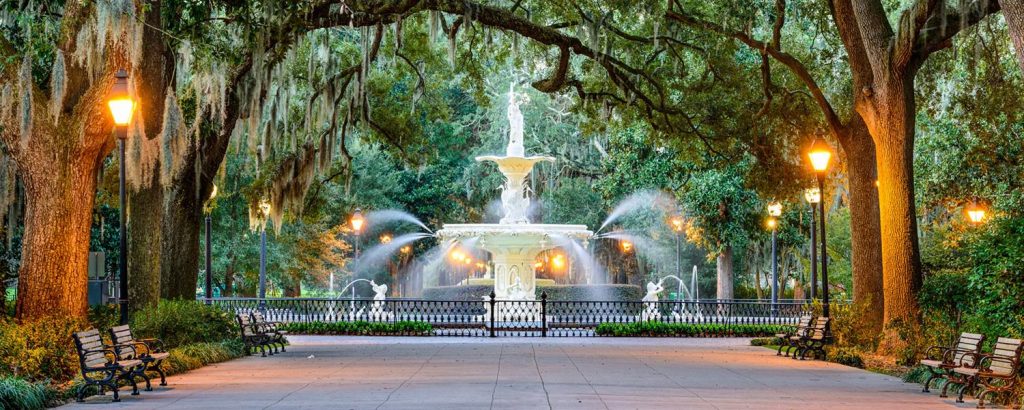
Forsyth Park is the largest and most famous, featuring a grand fountain and sprawling lawns. It’s the perfect spot for a morning coffee or an evening stroll. Nearby, Chippewa Square gained fame from the movie Forrest Gump, where Tom Hanks sits on a bench waiting for a bus. It’s small but packed with history and photogenic moss-covered oak trees.
Johnson Square is home to the Owens-Thomas House, a National Historic Landmark, and features a striking statue of John Wesley. Wright Square, located in the heart of the downtown shopping district, is often the center of local festivals and markets. Each square tells a different part of the story, from colonial planning to Civil War history.
Most squares are free to visit and open 24/7. The best time to walk them is early morning or late afternoon when the light hits the Spanish moss and the crowds are thinner. Wear comfortable shoes, as the cobblestones and brick sidewalks can be uneven. Bring a map or use a walking tour app to navigate between the squares efficiently.
Dining in Savannah
Savannah’s food scene is a layered map of Southern tradition, coastal freshness, and modern creativity. The city’s dining districts cluster around the historic squares and the riverfront, making it easy to trace a culinary route on foot. Whether you are chasing classic Lowcountry boiled peanuts or a high-end tasting menu, the neighborhood you choose dictates the pace and price of your meal.
The North District, particularly around Bull Street, offers the highest density of acclaimed restaurants. This area balances historic charm with contemporary menus, often featuring locally sourced ingredients. For a more relaxed, casual vibe, the Forsyth Park area and the Historic District’s side streets host a mix of family-owned eateries and trendy cafes. The River Street area, while tourist-heavy, still holds gems for fresh seafood and river views.
To help you plan around the options, here is a comparison of the primary dining styles and neighborhoods:
| Cuisine Style | Best Neighborhood | Price Range | Typical Vibe |
|---|---|---|---|
| Lowcountry Southern | Historic District | $$-$$$ | Historic, traditional |
| Fresh Seafood | River Street | $$-$$$$ | Tourist-friendly, waterfront |
| Modern American | North District (Bull St) | $$$-$$$$ | Upscale, trendy |
| Casual Cafes & Brunch | Forsyth Park Area | $-$$ | Relaxed, local |
Visit nearby coastal islands
Savannah’s charm extends well beyond the moss-draped squares of the historic district. Just across the Savannah River, a chain of barrier islands offers a different kind of Southern escape: wide sandy beaches, salt marshes, and a slower pace. These islands are the primary destination for visitors seeking actual Savannah beaches without driving hours inland.
Tybee Island: The Accessible Beach Town
Tybee Island is the most popular coastal destination for Savannah visitors, located just 18 miles east. You can reach it via the Tybee Bridge, which offers scenic views of the river mouth. The island feels like a classic beach town with a mix of vacation rentals, seafood restaurants, and a lively pier.
The Tybee Island Pier is the centerpiece of the visitor experience. It’s a great spot for fishing, watching sunsets, or grabbing a drink at the pier-side bar. For history buffs, the Fort Pulaski National Monument sits at the island’s southern tip, offering a look at Civil War-era fortifications and excellent birdwatching opportunities.
Getting to Tybee is straightforward. Public transportation is available via Chatham Area Transit (CAT) Route 40, which runs from downtown Savannah to the island several times a day. If you prefer driving, parking is available at several lots near the beach access points, though it fills up quickly on summer weekends. Expect to pay a small daily fee for beach access at designated public areas.
Hutchinson Island: Quiet Nature and State Parks
For a quieter alternative, Hutchinson Island is located just west of Tybee. It’s connected to the mainland by a short bridge and is home to Hutchinson Island State Park. This 1,100-acre park offers a more natural experience with pine forests, salt marshes, and pristine beaches that are less crowded than Tybee’s.
The park features miles of hiking and biking trails, making it ideal for nature lovers. You can rent kayaks or canoes to explore the Intracoastal Waterway. The island also has a small beach access point with restrooms and showers, though facilities are more rustic than those on Tybee. Camping is available for those who want to stay overnight under the stars.
Planning Your Coastal Trip
Whether you choose the lively atmosphere of Tybee or the tranquility of Hutchinson Island, a trip to the coast is a essential part of any Savannah itinerary. The drive takes less than 30 minutes from downtown, making it easy to combine a morning in the historic district with an afternoon on the beach.
Remember that tide schedules affect beach access and activities like shelling or kayaking. Check local tide charts before heading out. If you’re driving, keep in mind that parking on Tybee can be expensive and scarce during peak season. Consider arriving early in the morning or using public transit to avoid the hassle.
Where to stay in Savannah
Choosing where to stay in Savannah depends on whether you prioritize historic charm, beach proximity, or budget. The city is compact, so most neighborhoods are walkable, but traffic and parking can be tricky during peak season.
Historic District
Staying in the Historic District puts you steps from Forsyth Park, River Street, and the famous squares. Boutique inns like The Marshall House or The Gastonian offer luxury and character, while budget chains like Hilton Savannah DeSoto provide modern amenities. Expect higher rates, especially on weekends and during festival seasons.
Tybee Island
For a coastal vibe, Tybee Island is just 20 minutes east. It’s ideal if you want beach time mixed with city exploration. The area has a mix of vacation rentals, motels, and larger hotels. It’s less walkable than the Historic District but offers a relaxed, seaside atmosphere.
Midtown and Downtown
Midtown and Downtown areas offer a balance of convenience and value. You’ll find more affordable hotels and easier parking. It’s a good base for exploring both the Historic District and the suburbs without paying premium prices.
Budget Options
For budget travelers, consider hostels or extended-stay hotels in the Southside or near I-16. These areas are less scenic but offer significant savings. Book early, as prices rise sharply in fall and spring.
Savannah travel checklist
Planning a trip to Savannah requires balancing historic site access with coastal logistics. This checklist covers the essentials for booking, timing, and local etiquette to ensure a smooth visit.
Frequently asked: what to check next
Planning a first visit to Savannah? Here are the most common questions about safety, logistics, and costs to help you plan around the city with confidence.
Is Savannah safe for tourists?
Savannah is generally safe for visitors, especially in the historic district where foot traffic is high. Stick to well-lit, populated areas at night and remain aware of your surroundings. While violent crime against tourists is rare, petty theft can occur, so treat your belongings as you would in any major city.
What is the best time of year to visit?
Spring (March to May) and fall (September to November) offer the most pleasant weather for walking the squares and exploring the coastal islands. Summers are hot and humid, while winters are mild but can be rainy. Booking 2-3 months in advance is recommended for spring festivals and holiday seasons.
How much should I budget for a day in Savannah?
A moderate daily budget for a first-time visitor ranges from $150 to $300 per person, excluding accommodation. This covers a nice lunch, a guided walking tour, museum entry fees, and a few cocktails. You can reduce costs by eating at local markets and using free self-guided walking tours.
Do I need a car in Savannah?
A car is not necessary for exploring the historic district, which is best navigated on foot, by bicycle, or via the free DASH downtown trolley. However, if you plan to visit Tybee Island, Folly Field, or the coastal islands, renting a car or using rideshare services is highly recommended.
Are the squares open to the public?
Yes, all 22 historic squares are public parks and open to visitors. Many are surrounded by historic homes that may offer tours, but the grounds themselves are free to access. Some squares, like Forsyth Park, have specific amenities like playgrounds or gardens that are open during daylight hours.
No comments yet. Be the first to share your thoughts!