

Savannah's charm
Savannah feels different than any other city in the South. It’s more than just antebellum architecture and sweet tea; it’s a place where history isn’t just preserved, it’s felt. Spanish moss drapes from ancient oak trees, casting shadows over cobblestone streets, and a subtle, almost mysterious, energy permeates the air. The city’s layout, with its series of squares, encourages exploration and invites you to slow down.
This isn't a place to rush through. Savannah rewards those who take the time to wander, to get lost in its beauty, and to listen to the stories it has to tell. It’s a remarkably walkable city, which makes it perfect for a three-day itinerary focused on immersing yourself in its historic core and soaking up the atmosphere. Be prepared for a city that feels both grand and intimate, elegant and a little bit haunted.
This guide focuses on the Historic District, Forsyth Park, and River Street to help you make the most of your three days in Savannah. You'll find must-see sights, great places to eat, and a few hidden gems.
Historic District: Day One
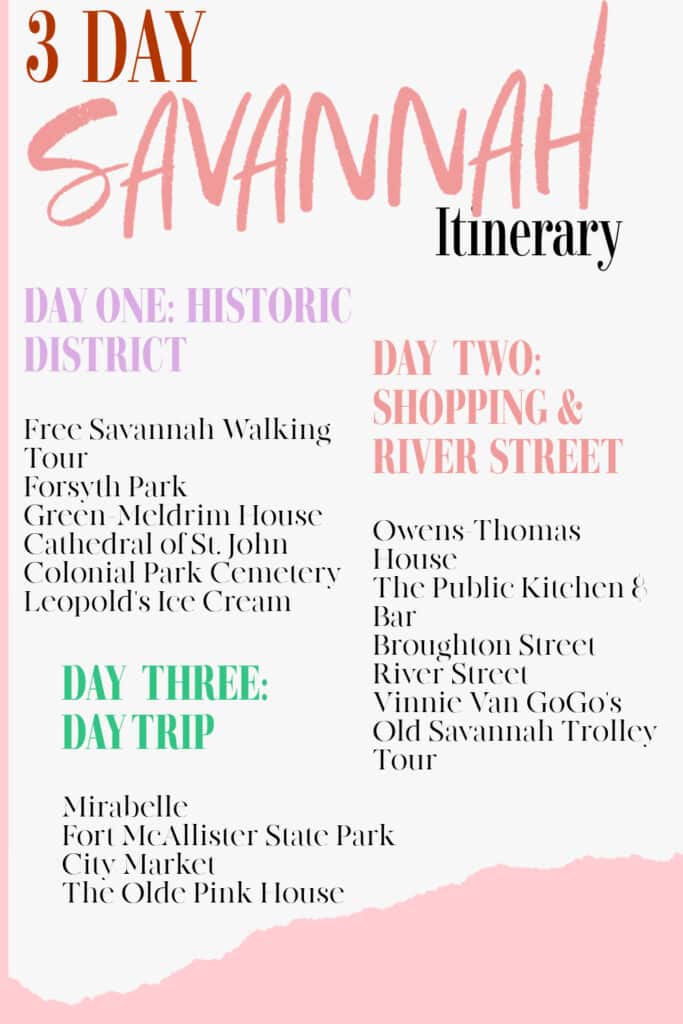
Start your Savannah adventure in Chippewa Square, famously featured in Forrest Gump. While the bench isn't actually there anymore, the square itself is a beautiful starting point. From there, embark on a walking tour of the Historic District, paying close attention to the architecture. You’ll see a fascinating mix of Victorian, Regency, and Federal styles, each telling a story about the city’s past.
Several house museums offer a glimpse into the lives of Savannah’s residents throughout history. The Mercer Williams House Museum, made famous by Midnight in the Garden of Good and Evil, is a must-see for fans of the book. The Davenport House Museum provides a meticulously restored example of Federal-style architecture and insight into early 19th-century life. Consider a guided tour to get the most out of these sites.
For lunch, try The Olde Pink House Restaurant. It's a Savannah institution known for Southern cuisine and an elegant atmosphere. Reservations are essential, often weeks in advance. You can try for a spot in the Planter’s Tavern if the dining room is full.
As evening approaches, consider a ghost tour to explore Savannah's spooky side. The city is known as one of America’s most haunted, and a tour offers a fun way to learn about its darker history. Numerous operators offer walking or trolley tours.
Forsyth Park & Victorian District: Day Two
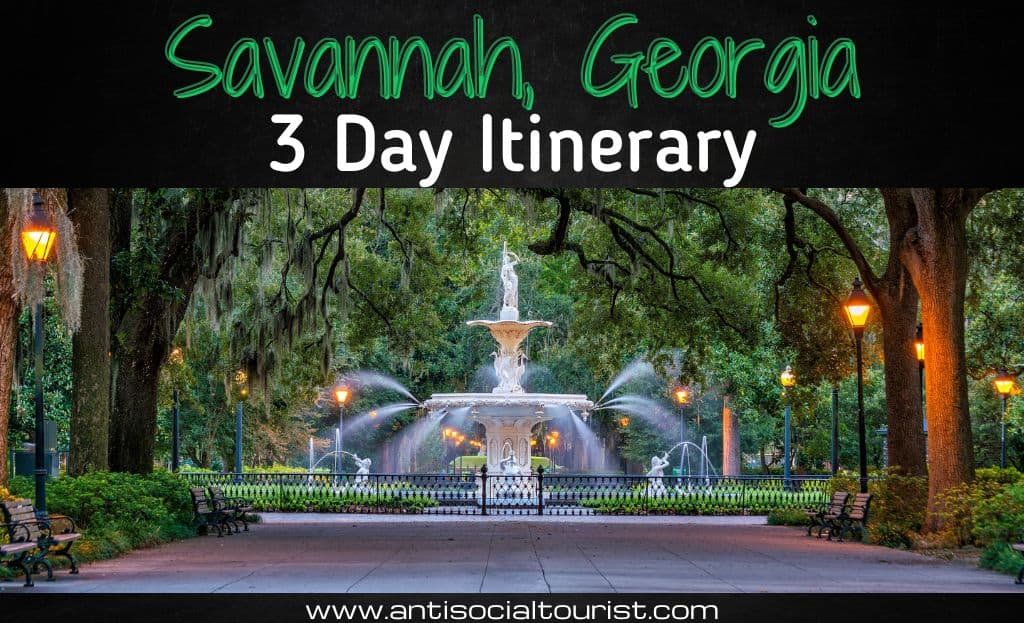
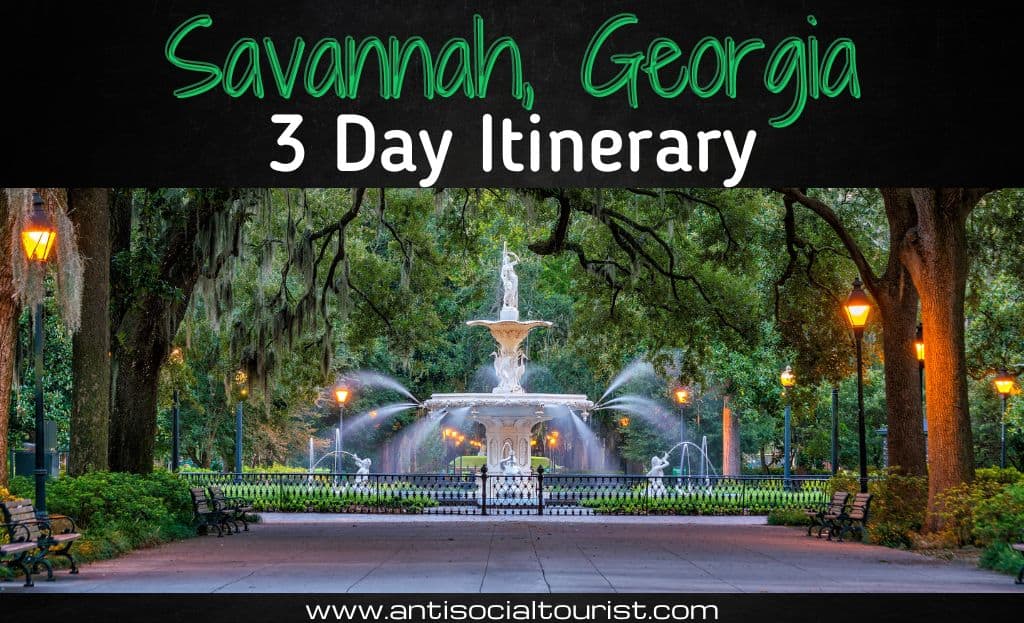
Day Two is dedicated to Forsyth Park, the heart of Savannah. The park’s iconic fountain is a focal point, and a perfect spot for photos. Take a leisurely stroll along the walking paths, people-watch, and enjoy the peaceful atmosphere. Forsyth Park often hosts events, so check the Visit Savannah website (visitsavannah.com) to see if anything is happening during your visit.
Pack a picnic lunch for the park, or grab a bite from a nearby cafe. After lunch, explore the Victorian District surrounding Forsyth Park. Bull Street has beautifully preserved Victorian homes, antique shops, and art galleries.
In the afternoon, visit Bonaventure Cemetery, a unique and hauntingly beautiful place. Made famous by Midnight in the Garden of Good and Evil, Bonaventure is a sprawling Victorian cemetery with intricate sculptures and moss-draped trees. It’s a place of peace and reflection, but also a little spooky. Be prepared to walk; Bonaventure is large, so comfortable shoes are a must. You can easily spend several hours here.
River Street & City Market: Day Three
Begin your final day on River Street, a historic waterfront district. Once a bustling cotton port, River Street is now home to shops, restaurants, and bars. Take a walk along the cobblestone streets, browse the souvenir shops, and soak up the atmosphere. Be sure to look out over the Savannah River and watch the ships go by.
Consider a riverboat cruise for a different perspective of the city. Several companies offer sightseeing or dinner cruises. It’s a relaxing way to see Savannah from the water and learn about its maritime history.
Spend the afternoon in City Market, a vibrant pedestrian area filled with art galleries, boutiques, and restaurants. It’s a great place to find unique souvenirs and enjoy a final Savannah meal. No trip to Savannah is complete without a visit to Leopold’s Ice Cream. Be prepared for a long line, but the ice cream is worth the wait – the chocolate peanut butter is a local favorite.
Preservation efforts are important for maintaining River Street's historic character. The city is committed to protecting its architectural heritage.
Day trip options
If you have extra time, consider a day trip outside of Savannah. Tybee Island, a short drive away, offers beautiful beaches, a historic lighthouse, and the Tybee Island Marine Science Center. It's a great escape for a dose of sun and sea air. Bonaventure Cemetery is also a good option if you didn't get a chance to visit on Day Two.
Wormsloe Historic Site, with its iconic oak avenue, is another popular day trip destination. The avenue, lined with towering oak trees draped in Spanish moss, is a truly breathtaking sight. However, attempting to fit both Tybee Island and Wormsloe into a single day might be a bit rushed; I recommend choosing one to fully enjoy.
For a longer day trip, Hilton Head Island is an option, but it’s a bit further afield. You’ll find more extensive beaches, golf courses, and resort amenities there. It's a good choice if you're looking for a more traditional beach vacation experience.
Day Trip Options from Savannah
| Distance from Savannah | Activities | Vibe | Time Commitment |
|---|---|---|---|
| Approximately 18 miles | Beach access, lighthouse visit, marine science center, dolphin tours | Relaxing | Half-day to full day |
| Approximately 9 miles | Historic site with a stunning oak-lined avenue, walking trails, event space | Historical | 2-4 hours |
| Approximately 45 miles | Golfing, beaches, shopping, dining, water sports | Active/Relaxing | Full day |
| Approximately 20 miles | Fort Pulaski National Monument, Tybee Island Light Station, birdwatching | Historical/Relaxing | Half-day to full day |
| Approximately 15 miles | Bonaventure Cemetery, art galleries, antique shops | Historical/Quiet | Half-day |
| Approximately 30 miles | Pin Point Heritage Preserve, coastal exploration, Gullah-Geechee culture | Historical/Educational | Half-day |
Illustrative comparison based on the article research brief. Verify current pricing, limits, and product details in the official docs before relying on it.
Savannah eats
Savannah’s food scene is diverse, offering everything from traditional Southern cuisine to international flavors. Beyond The Olde Pink House and Leopold’s, here are a few restaurants to check out.
For a classic Southern experience, head to Mrs. Wilkes' Dining Room. It’s a family-style restaurant where you’ll share a table with other diners and enjoy a feast of Southern comfort food. The Grey is a modern American restaurant housed in a beautifully restored Greyhound bus terminal. It’s known for its innovative cuisine and stylish atmosphere. Husk Savannah focuses on Southern cuisine with a strong emphasis on local ingredients.
Zunzi's is a local favorite, serving South African-inspired sandwiches. Their Conquistador is legendary. These restaurants offer a range of price points and culinary experiences, ensuring there’s something for everyone in Savannah. Don’t be afraid to venture off the beaten path and explore the city’s hidden culinary gems.
What is your favorite Savannah restaurant to visit during a trip to the Historic District?
We are putting together the ultimate dining recommendations for our 3-Day Savannah Itinerary. Vote below and let us know which Savannah restaurant you think every visitor needs to try!
Getting around and staying safe
Savannah is walkable, and the best way to explore the Historic District is on foot. Pedicabs are available for a more relaxed way to get around. The DOT (Downtown Transportation) offers free shuttle service within the Historic District. Uber and Lyft are also readily available.
Parking in the Historic District can be challenging, especially during peak season. Use parking garages or street parking with meters, and pay attention to regulations to avoid tickets. Safety is generally good, but be aware of your surroundings, especially at night. Stick to well-lit areas and avoid walking alone in secluded areas.
The Savannah Police Department’s non-emergency number is 912-651-6910. Savannah is generally warm and humid, especially in summer. Pack light, breathable clothing, comfortable shoes, and sunscreen. An umbrella or raincoat is also a good idea, as rain showers are common.
Savannah in 2026
Savannah is set to continue its growth as a popular tourist destination. The Visit Savannah website (visitsavannah.com) is the best resource for up-to-date information on events and festivals. As of late 2025, several new hotel projects are in planning stages, which could add to accommodation options.
River Street's restoration is expected to continue, enhancing the area’s appeal. There's also talk of expanding the Savannah Convention Center, which could attract more large-scale events. Savannah will likely continue to balance preserving its historic character with accommodating a growing tourism industry.

No comments yet. Be the first to share your thoughts!