

Savannah's Allure: A First-Timer's Guide
Savannah offers a unique atmosphere where history is deeply integrated into daily life. Spanish moss hangs from ancient oaks, casting shadows on cobblestone streets and antebellum architecture. The city's 22 squares, each with its own character, were designed as gathering places to create a more livable urban space.
The Historic District, a National Historic Landmark District covering about 2.5 square miles, is the city's core. It's highly walkable, so comfortable shoes are recommended. Buildings from the 18th and 19th centuries display a mix of Victorian, Georgian, and Federal architectural styles, with intricate ironwork balconies and ornate facades worth admiring.
Savannah has a distinct atmosphere, blending Southern charm with a mysterious aura. It's often ranked among America's most haunted cities, making ghost tours a popular activity. Beyond the ghost stories, the city evokes a sense of stepping back in time, with a carefully preserved past that most first-time visitors notice.
Bull Street runs north-south, and Broughton Street is the main east-west street. The squares connect via a grid of streets, simplifying navigation, though a map is helpful. Wandering off the main paths can lead to unexpected discoveries.
Day 1: Historic Heart of Savannah
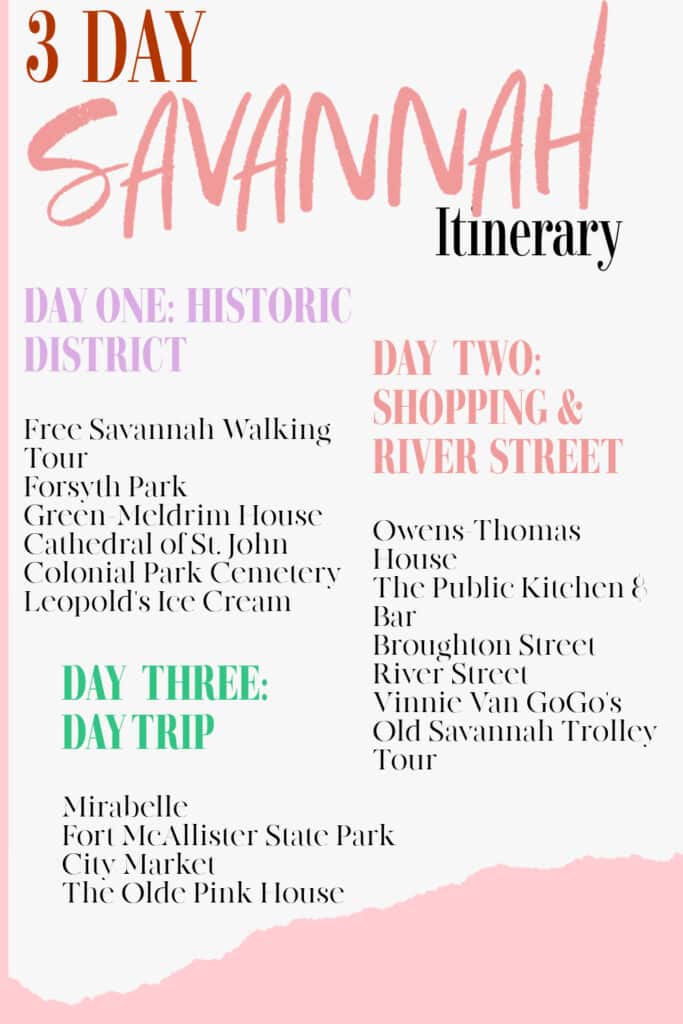
Begin your Savannah exploration in the Historic District. A walking tour is an excellent way to experience the atmosphere and learn about the city's history. Options include organized themed tours (history, architecture, ghost tours) or a self-guided route, which offers more flexibility.
Chippewa Square is recognizable as the filming location for a scene in Forrest Gump. Lafayette Square, surrounded by mansions, and Madison Square, known for its monuments and historic churches, are also notable. Spend time in each square, reading historical markers and appreciating the landscaping.
The architecture is a significant attraction. Victorian homes feature elaborate trim and wraparound porches, while Georgian and Federal styles offer a more symmetrical aesthetic. For those interested, the Manual for the Instruction and Licensing of Tour Guides in the City of Savannah (savannahga.gov) provides further details.
The Mercer Williams House Museum, known from Midnight in the Garden of Good and Evil, offers insight into Jim Williams' life and trial. The Owens-Thomas House & Slave Quarters presents a somber look at the lives of both the wealthy owners and the enslaved individuals who lived and worked there, offering a difficult but important perspective on Savannah's history.
As evening approaches, consider a ghost tour. Savannah's reputation as one of America's most haunted cities makes these tours a popular, entertaining way to explore its darker history. Blue Orb Ghost Tours and Sixth Sense World Tour are examples of well-regarded companies, with many others available. Expect tales of restless spirits and unexplained occurrences.
River Street & City Market Exploration
River Street, Savannah's waterfront, is a lively area with a rich history. Once a key cotton port, its former warehouses now house shops, restaurants, and galleries. The Savannah River views are notable, particularly at sunset. It's a popular place for a walk, though the cobblestones can be uneven.
The Olde Pink House, a restored 18th-century mansion, is a well-known Savannah dining spot offering exceptional Southern cuisine, though it can be pricey. Vic’s on the River provides a modern dining experience with river views. Casual seafood restaurants are also plentiful along the waterfront.
City Market, a few blocks from River Street, is a four-block open-air market featuring art galleries, shops, and restaurants. It's a good location for finding unique souvenirs and local art, with a particularly energetic atmosphere on weekends.
Leopold’s Ice Cream in City Market is a Savannah landmark, serving homemade ice cream since 1919. Expect a line, particularly during peak times, but the experience is generally considered worthwhile. City Market also has several candy shops for those with a sweet tooth.
Foodie Adventures: Savannah's Culinary Scene
Savannah appeals to food lovers, especially those interested in Lowcountry cuisine. Popular dishes include shrimp and grits, she-crab soup (a creamy soup with crab roe), and fried green tomatoes, all commonly found on local menus.
Mrs. Wilkes' Dining Room has served family-style Southern meals since 1943 and is very popular; expect a wait, but many find the food rewarding. Zunzi’s provides a casual option with South African-inspired sandwiches and salads, a local choice for a quick lunch.
Leopold’s Ice Cream is a recommended dessert spot. Savannah's food offerings also include a growing craft beer scene, with breweries like Service Brewing Co. and Two Tides Brewing offering tours and tastings.
Food tours provide a way to sample Savannah's diverse culinary scene, with options focusing on Southern cuisine, cocktails, or even ghost stories. Savannah Tastebud Tours and Taste of Savannah Food Tours are examples of well-regarded companies, catering to various budgets from casual to upscale.
Savannah Food Tour Comparison - 2026
| Price | Cuisine Focus | Duration | Walking Distance | Overall Vibe |
|---|---|---|---|---|
| Generally ranges from $50 - $80 per person | Southern comfort food with historical context | Approximately 2 - 2.5 hours | Around 1.5 - 2 miles | Informative and relaxed |
| Typically $60 - $90 per person | A diverse range of Savannah's culinary scene, including local favorites | Around 3 hours | Moderate, approximately 1.75 miles | Energetic and exploratory |
| Pricing varies, often $75 - $100+ per person | Focus on upscale dining and refined Southern cuisine | Approximately 3.5 - 4 hours | Can be up to 2.5 miles | Sophisticated and in-depth |
| Around $45 - $65 per person | Emphasis on classic Southern dishes and sweet treats | Approximately 2 hours | Around 1 mile, relatively easy walking | Casual and sweet-tooth focused |
| Varies, often $60 - $85 | Highlights local seafood and coastal flavors | Approximately 2.5 - 3 hours | Approximately 1.8 miles | Fresh and coastal-inspired |
| Generally $55 - $70 | A mix of historic and modern Savannah cuisine | Around 2.25 hours | Approximately 1.6 miles | Balanced and approachable |
Illustrative comparison based on the article research brief. Verify current pricing, limits, and product details in the official docs before relying on it.
Day 2: Beyond the Historic District
Venture beyond the Historic District on your second day to explore some of Savannah’s other hidden gems. Bonaventure Cemetery is a beautiful and hauntingly peaceful place, known for its Spanish moss-draped oaks and elaborate monuments. It’s the final resting place of many prominent Savannahians, including Johnny Mercer, the songwriter.
Wormsloe Historic Site, with its iconic avenue of oaks, is another must-see. The oak-lined drive leads to the tabby ruins of Wormsloe Plantation, offering a glimpse into the region’s colonial past. It’s a stunning location for photos. Both Bonaventure and Wormsloe are best accessed by car or tour.
Tybee Island, a barrier island just a short drive from Savannah, offers a beach escape. While a full day trip to Tybee is worthwhile, it deserves its own dedicated article. If you’re short on time, consider saving it for a future visit. It’s a good option if you need a break from the city’s historic charm.
Southern Comfort: Parks & Relaxation
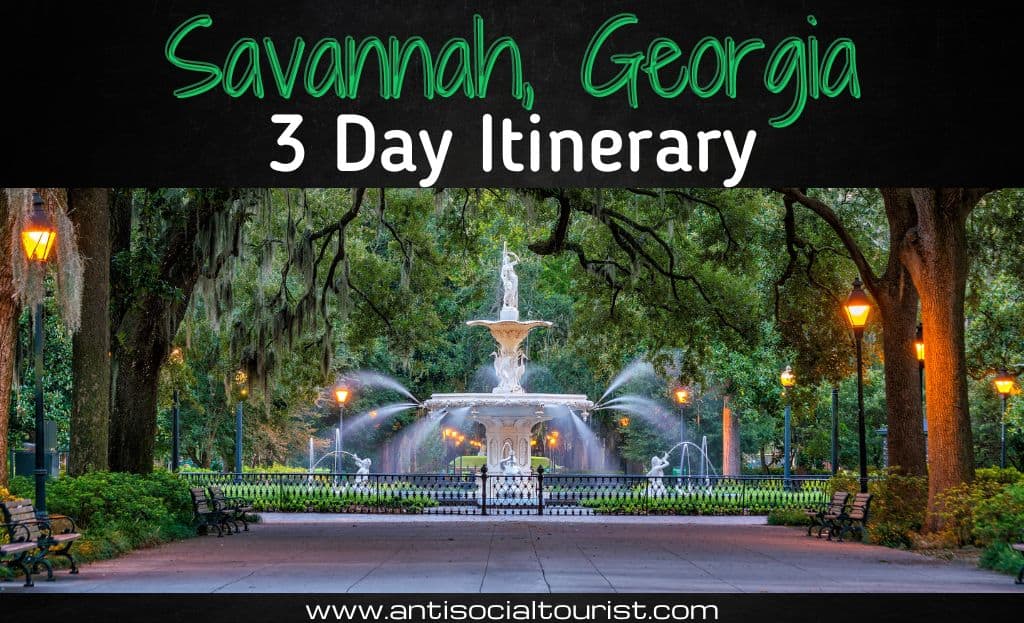
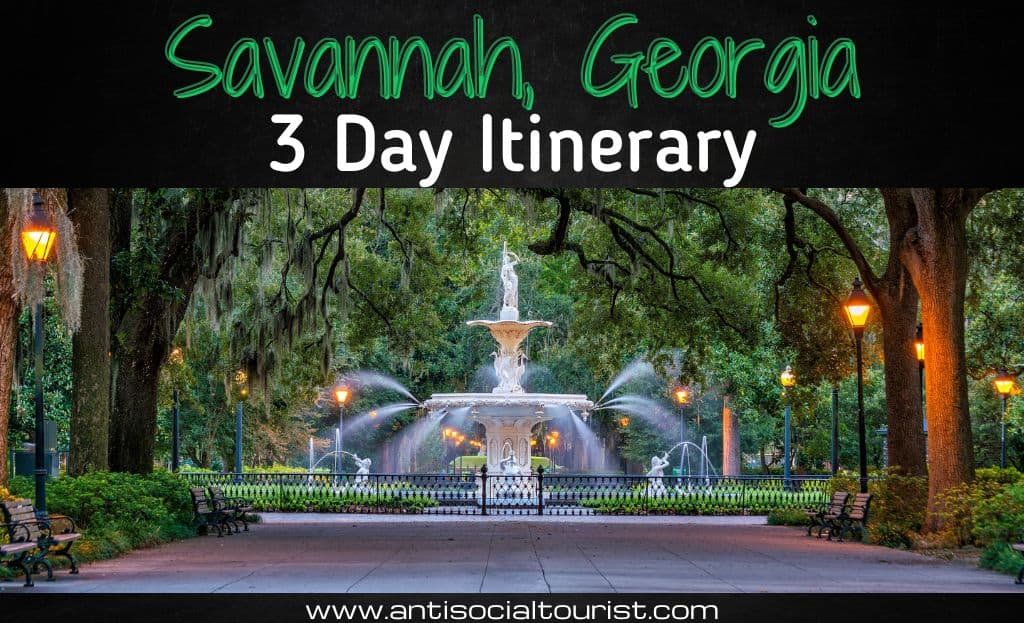
Beyond its squares, Savannah offers other green spaces. Forsyth Park, the largest in the Historic District, is a pleasant spot for relaxation, featuring a large fountain, walking paths, and numerous shade trees.
Forsyth Park hosts various events, such as concerts, farmers' markets, and festivals, and is a popular location for picnics and people-watching. It's also a good place to relax with a book under the oak trees.
undefined back to 1733. Savannah encourages a slower pace of life, so take advantage and enjoy a moment of tranquility.
Pack a picnic lunch and enjoy it in one of Savannah’s parks. Or simply take a leisurely stroll and admire the scenery. Savannah is a city that rewards those who take the time to slow down and appreciate its beauty.
Day 3: Arts, Culture & Hidden Gems
On your final day, explore Savannah’s artistic side and uncover some lesser-known spots. The Telfair Museums comprise three distinct museums: the Jepson Center, a contemporary art museum; the Owens-Thomas House & Slave Quarters, which we already discussed; and the Telfair Academy, which focuses on 19th- and 20th-century American and European art.
The SCAD Museum of Art, affiliated with the Savannah College of Art and Design, showcases a diverse collection of contemporary art. It’s a great place to see cutting-edge exhibitions and discover emerging artists. Broughton Street is home to a variety of art galleries and boutiques.
Explore the local shops and boutiques for unique souvenirs and gifts. You’ll find everything from antiques to handmade crafts to locally designed clothing. I always enjoy browsing the shops on Broughton Street and Bull Street.
Savannah has a thriving local music scene. Check out the local listings for live music venues and performances. The Savannah Music Festival, held annually in the spring, is a major event that attracts musicians from around the world.
What is your favorite museum to visit in Savannah?
Savannah is home to some of the most remarkable museums in the South. As you plan your 3-day itinerary, we want to know which museum tops your must-visit list. Vote below and share your pick with fellow travelers!
Savannah Logistics: Getting Around & Staying Safe
Savannah is a very walkable city, especially the Historic District. However, if you’re traveling longer distances, you have several transportation options. The DOT (Downtown Transportation) offers free shuttle service within the Historic District. Ride-sharing services like Uber and Lyft are also readily available.
Pedicabs are a fun and convenient way to get around, especially for short distances. Parking in the Historic District can be challenging, particularly during peak season. Consider using a parking garage or utilizing public transportation. Visit Savannah (visitsavannah.com) provides up-to-date information on parking and transportation.
Savannah is generally a safe city, but it’s always important to be aware of your surroundings, especially at night. Avoid walking alone in poorly lit areas and be mindful of your belongings. As with any tourist destination, petty theft can occur.
The best times to visit Savannah are in the spring (March-May) and fall (September-November), when the weather is mild and the crowds are smaller. Summer can be hot and humid, while winter can be chilly. Planning your trip outside of peak season will help you avoid crowds and potentially save money.

No comments yet. Be the first to share your thoughts!