

Start in the historic district
Savannah’s Historic District is a 2.5-square-mile grid of 22 squares, each framed by Spanish moss and Victorian architecture. This layout makes the area entirely walkable, allowing you to experience the city’s core rhythm without needing a car. The district is the anchor of any Savannah travel guide, offering a dense concentration of history, culture, and atmosphere.
Arrive early in the morning to beat the heat and the crowds. The soft light on the brick pathways and the quiet squares provide the best opportunity to photograph the city’s iconic streets. As the day warms up, the squares become shaded retreats, perfect for a midday pause.
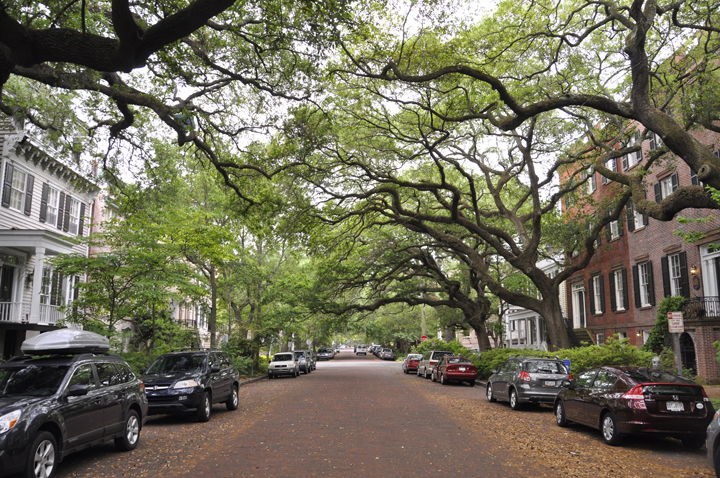
Start your route at Forsyth Park, the green heart of the district. From there, walk north along Bull Street or Abercorn Street to hit the major squares. This linear path ensures you see the best of the Victorian homes and public gardens without backtracking. Keep an eye out for the wrought-iron fences and historic markers that define the neighborhood’s character.
Best things to do in Savannah
Savannah offers a mix of guided history and independent exploration, allowing visitors to choose their pace. Whether you prefer a narrated tour of the historic district or a quiet walk through Forsyth Park, the city’s layout encourages both structured sightseeing and spontaneous discovery. Most attractions cluster within the walkable Historic District, making it easy to combine multiple activities in a single day.
For those who want context without the effort of research, guided tours provide a structured entry point. These options are ideal for first-time visitors who want to understand the city’s layout and history quickly. Self-guided alternatives offer more flexibility, allowing you to linger at specific squares or skip crowds. Nature-focused excursions, such as a trip to Bonaventure Cemetery or a riverboat cruise, provide a change of pace from the urban grid.
Choosing the right approach depends on your interests and budget. The table below compares the three main ways to experience Savannah’s highlights, helping you decide where to spend your time and money.
| Type | Est. Cost | Duration | Best For |
|---|---|---|---|
| Guided Tour | $25-$100+ | 1-2 hours | First-time visitors seeking history |
| Self-Guided Walk | Free | Flexible | Independent travelers and photographers |
| Riverboat Cruise | $30-$50 | 1 hour | Views and relaxed sightseeing |
| Cemetery Visit | Free | 30-60 mins | History buffs and quiet reflection |
Where to stay in Savannah
Choosing where to sleep in Savannah depends on how you plan to spend your days. The city’s walkability means you can stay slightly outside the historic core and still reach the squares, but staying within the district saves time and lets you experience the evening ambiance. For most first-time visitors, the Historic District offers the best balance of access to restaurants, shops, and major attractions like Forsyth Park and River Street.
Savannah is one of the most pet-friendly cities in the Southeast, but this popularity creates a bottleneck for accommodation. Pet-friendly hotels in the Historic District fill up quickly, especially during festival seasons like the Savannah Food & Wine Festival or St. Patrick’s Day. If you are traveling with a dog, book your room well in advance and confirm the specific pet policy, as some properties charge daily fees or restrict certain breeds.
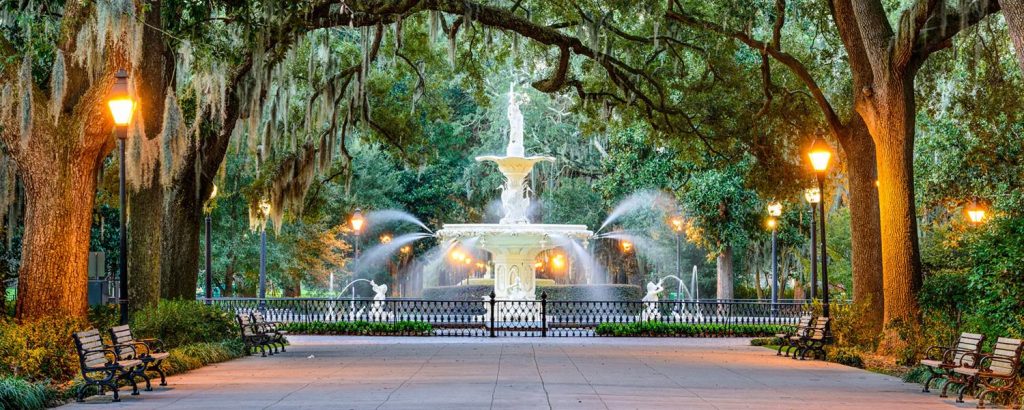
For a quieter experience, consider staying in the Midtown area near the Savannah College of Art and Design (SCAD). This neighborhood offers a more local vibe with excellent dining options along Bull Street and is just a short ride away from the historic squares. Alternatively, the Tybee Island area provides a beach-side retreat, though you will need a car or shuttle to reach the downtown attractions.
Nearby beaches from Savannah
Savannah sits on the Savannah River, not the ocean, so the city’s famous squares are about history, not tides. The coast is only a short drive away, making day trips to Georgia’s barrier islands easy for visitors based in the Historic District. You can swap moss-draped streets for white sand and salt air in under an hour.
Tybee Island is the closest option, located just 18 miles east. The drive takes about 30 to 40 minutes depending on traffic. This island offers a mix of relaxed beach vibes, a historic lighthouse, and the popular Tybee Island Pier. It is the most convenient choice for a quick beach fix without leaving the metropolitan area.
For those willing to drive a bit further, Hilton Head Island and Jekyll Island offer different experiences. Hilton Head is roughly an hour south and features extensive bike paths and upscale resorts. Jekyll Island, also about an hour south, provides a more historic and natural setting with wildlife refuges and quieter beaches. Both require a bit more planning but reward you with wider sands and clearer waters.
When to visit Savannah
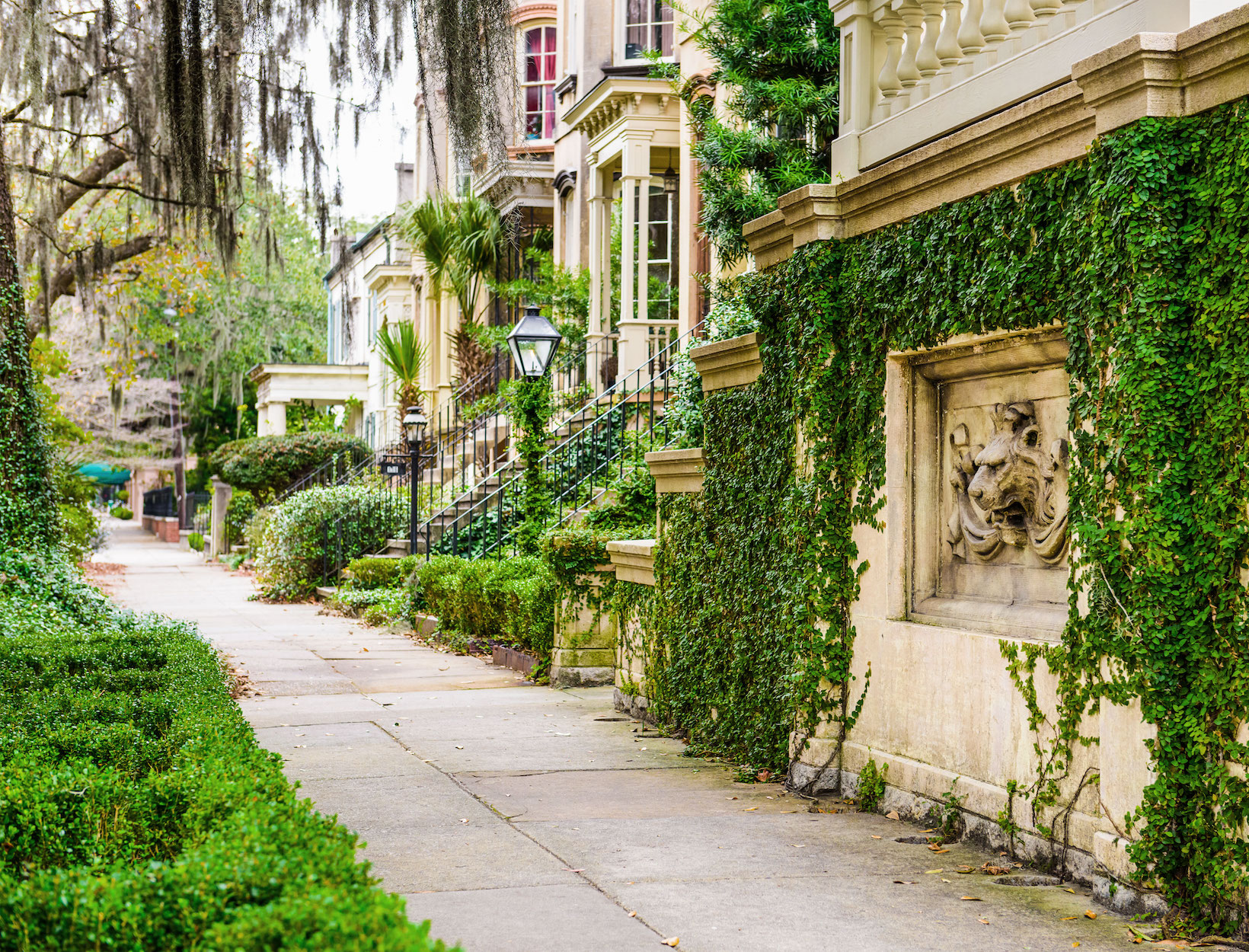
The best time to visit Savannah is from March to July. During these months, the weather is warm and pleasant, and the city’s famous camellias and azaleas are in full bloom. This window offers the ideal balance of comfortable temperatures and vibrant scenery, making it the peak season for exploring the historic district on foot.
Mid to late summer, particularly August and September, brings extreme heat and high humidity. While the city remains lively, the oppressive weather can make outdoor activities like walking the squares or touring plantations uncomfortable for many visitors. If you must travel during this period, plan indoor activities during the hottest parts of the day and stay hydrated.
Spring and early fall are generally the most comfortable seasons for outdoor exploration. The air is crisp, and the crowds are thinner than in the height of summer. However, be aware that Savannah’s event calendar peaks in the fall with festivals like the Savannah Music Festival and Halloween events, which can drive up accommodation prices and fill up the city quickly.
Plan your Savannah trip
A walkable historic district makes Savannah easy to navigate on foot, but a little planning ensures you see the highlights without missing the charm. Start your route at Forsyth Park, then follow the cobblestone streets toward the riverfront. This linear path connects the city’s most famous squares, historic homes, and boutique shops in a logical loop.
For those looking to extend their stay, Tybee Island is just a short drive or shuttle ride away. It offers a beach break that contrasts nicely with the urban architecture of the downtown area. Use the map below to visualize how these locations connect before you book your itinerary.
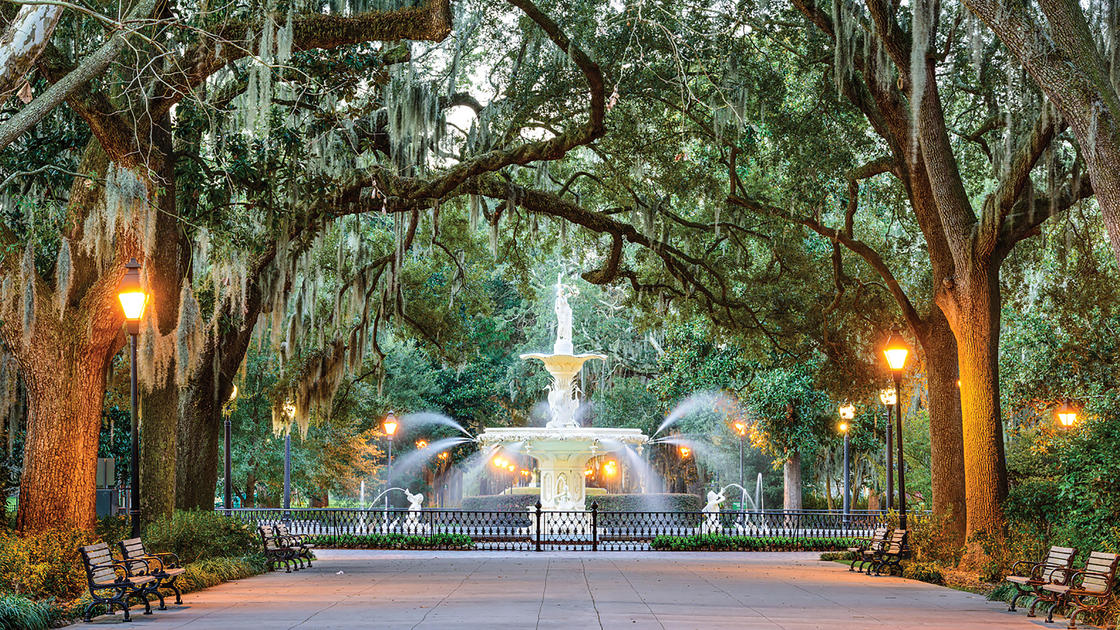
Begin your morning at the iconic fountain. The park is a central hub for local life and provides a perfect starting point for your walking tour.
Move toward the river, passing through squares like Johnson and Wright. Each square has its own history, gardens, and statues worth a quick stop.
End your downtown loop at River Street. The cobblestone warehouses here house shops and restaurants, offering a scenic view of the Savannah River.
Checklist
- Pack light, breathable clothing for humid weather.
- Wear comfortable walking shoes for cobblestone streets.
- Book accommodations in the Historic District for walkability.
- Reserve Tybee Island transport if planning a beach day.
No comments yet. Be the first to share your thoughts!