

Savannah's Winter Charm: What to Expect in 2024
Savannah in the winter is a truly special experience. Forget snowstorms and frigid temperatures – while the South can get a cold snap, Savannah generally enjoys mild weather even in the deepest months of winter. It's a welcome escape for many, offering a comfortable climate for exploring the city’s historic squares and enjoying its unique atmosphere. It’s a world away from the sweltering heat and humidity of summer, and that alone is a huge draw.
According to data from forecast.weather.gov, average high temperatures between December and February hover around the low 60s Fahrenheit. Lows rarely dip below the 40s. You can expect plenty of sunshine, though rainfall is certainly possible. The humidity is generally lower than in the summer months, making those temperatures feel even more pleasant. This makes it ideal weather for walking tours, outdoor dining, and simply strolling along River Street.
One of the biggest benefits of visiting Savannah in the winter is the reduced crowds. The peak tourist season is typically in the spring and fall, so you'll find fewer people vying for space at popular attractions and restaurants. This also often translates to lower hotel rates, making it a more budget-friendly time to visit. It’s a quieter, more relaxed Savannah, allowing you to truly immerse yourself in the city’s charm. I find the slower pace allows for a much richer experience.
While you won't need a heavy winter coat, it's still important to pack layers. The weather can be unpredictable, and temperatures can fluctuate throughout the day. Comfortable clothing and a light jacket are essential.
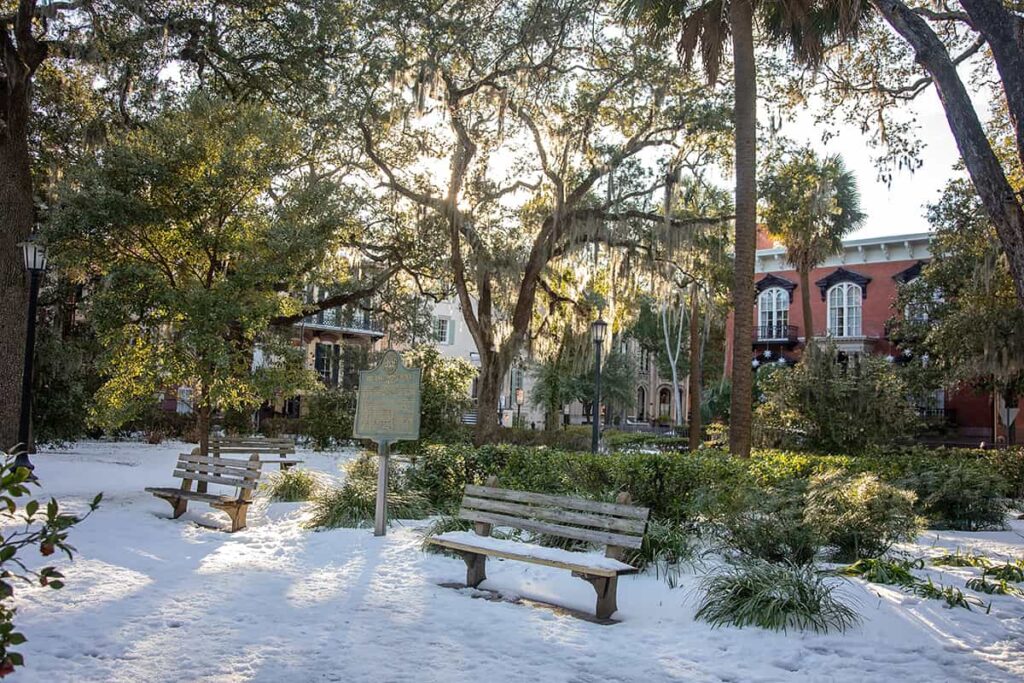
Decoding Savannah's Winter Temperature Swings
Temperatures vary month by month. In December, the average high is around 61 degrees Fahrenheit, with an average low of 46. January is typically the coldest month, with an average high of 58 degrees and a low of 43. February starts to warm up slightly, with an average high of 63 and a low of 47. These are just averages, of course, and the actual temperatures can vary significantly from year to year.
Humidity affects how temperatures feel. Savannah is located near the coast, so even in winter, there can be a noticeable amount of moisture in the air. This can make 50 degrees feel colder than it actually is, especially when there’s a breeze. A wind chill is definitely something to be aware of. Checking a wind chill forecast is advisable when planning outdoor activities.
Savannah does occasionally experience cold snaps. The savannahga.gov website issued an Extreme Cold Weather Watch in January 2026, indicating the potential for significantly below-freezing temperatures. While these events aren’t common, they do happen. Be prepared for the possibility of temperatures dropping into the 30s, or even the 20s, for a few days. Record lows in Savannah have been recorded in the teens, though these are rare occurrences.
To give you a better sense of the temperature range, you might experience highs in the upper 60s on a sunny day and lows in the 30s on a particularly cold night. This is why layering is so important. Being able to add or remove layers allows you to adjust to the changing conditions and stay comfortable throughout the day.
Savannah, GA Winter Weather Averages (December - February)
| Month | Average High (°F) | Average Low (°F) | Average Rainfall (inches) | Typical Feel |
|---|---|---|---|---|
| December | 61 | 44 | 4.3 | Generally mild, but humidity can make it feel cooler, especially in the evenings. |
| December | 60 | 43 | 4.2 | Humidity can make temperatures feel slightly cooler than reported. |
| January | 57 | 40 | 5.1 | Coolest month; humidity contributes to a damp, chilly feel. |
| January | 56 | 39 | 4.8 | Can feel colder due to humidity, especially with wind chill. |
| February | 63 | 46 | 3.8 | Becoming milder; humidity still present, but less pronounced than January. |
| February | 64 | 45 | 3.6 | Generally pleasant, though humidity can make it feel warmer than it is. |
Illustrative comparison based on the article research brief. Verify current pricing, limits, and product details in the official docs before relying on it.
Rainfall and Humidity: What to Anticipate
Savannah is known for its humidity, and while it’s less oppressive in the winter than in the summer, it’s still a factor. Average rainfall in December is around 4.5 inches, January sees approximately 5 inches, and February averages around 4 inches, according to forecast.weather.gov. This doesn’t necessarily mean it rains every day, but you should be prepared for the possibility of showers.
The likelihood of a rainy day is fairly consistent throughout the winter months, with about 8-10 rainy days per month. These are often short, passing showers, but they can be heavy at times. It’s a good idea to check the forecast before heading out and to pack a waterproof jacket or umbrella. Don’t let a little rain deter you, though – Savannah is beautiful even in the drizzle.
The humidity can make even moderate temperatures feel cooler. A temperature of 55 degrees with high humidity will feel much colder than 55 degrees in a dry climate. This is something to keep in mind when packing and planning your activities. Fog is also a possibility, especially in the early morning hours. This can sometimes roll in off the coast and reduce visibility, so be cautious when driving or walking near the water.
Packing Essentials: Your Savannah Winter Wardrobe
Packing for a Savannah winter is all about layering. You want to be prepared for a range of temperatures and conditions. Start with a base layer of lightweight, moisture-wicking fabrics. These will help to keep you dry and comfortable, even if you start to sweat. Add a mid-layer of fleece or a light sweater for extra warmth. Finally, top it off with a waterproof and windproof outer layer.
Here’s a quick checklist to get you started:
A lightweight waterproof jacket is an absolute must. Even if it doesn’t rain every day, you’ll be glad you have it. A warm sweater or fleece is essential for layering. Comfortable walking shoes are non-negotiable – you’ll be doing a lot of walking in the historic district! Consider waterproof shoes as well. Jeans or other durable pants are a good choice. Long-sleeved shirts and t-shirts for layering. A scarf, hat, and gloves aren’t always necessary, but they can be useful on colder days.
Don’t forget sunscreen! Even in winter, the sun can be strong, especially when reflecting off the water. Insect repellent is also a good idea, as mosquitoes can still be active in warmer weather. For evening events, consider packing a slightly dressier outfit. Many of Savannah’s restaurants and bars have a more upscale atmosphere. I always find that a versatile pair of dark wash jeans can be dressed up or down easily.
Think about packing versatile pieces that can be mixed and matched. This will allow you to create a variety of outfits without overpacking. A neutral-colored jacket and shoes will go with almost anything. Comfortable socks are also important, especially if you plan on doing a lot of walking.
- Lightweight waterproof jacket
- Warm sweater or fleece
- Comfortable walking shoes (waterproof recommended)
- Jeans or durable pants
- Long-sleeved shirts and t-shirts
- Scarf, hat, and gloves (optional)
- Sunscreen
- Insect repellent
- Dressier outfit for evenings
- Comfortable socks
Exploring Savannah's Historic District in Cooler Weather
The historic district is the heart of Savannah, and it’s just as enjoyable in the winter as it is in any other season. The cooler temperatures make it perfect for walking tours. Several companies offer guided tours that will take you through the city’s squares, past its historic homes, and share its fascinating stories. The architecture is especially striking in the winter light.
Museums are a great option for escaping the cold (or the rain). The Telfair Museums, which include the Telfair Academy, the Owens-Thomas House & Slave Quarters, and the Jepson Center, offer a diverse range of art and history. The Owens-Thomas House provides a particularly poignant look at Savannah's past. Cozying up in one of Savannah’s many cafes is another excellent way to spend a chilly afternoon. Enjoy a cup of coffee or tea and watch the world go by.
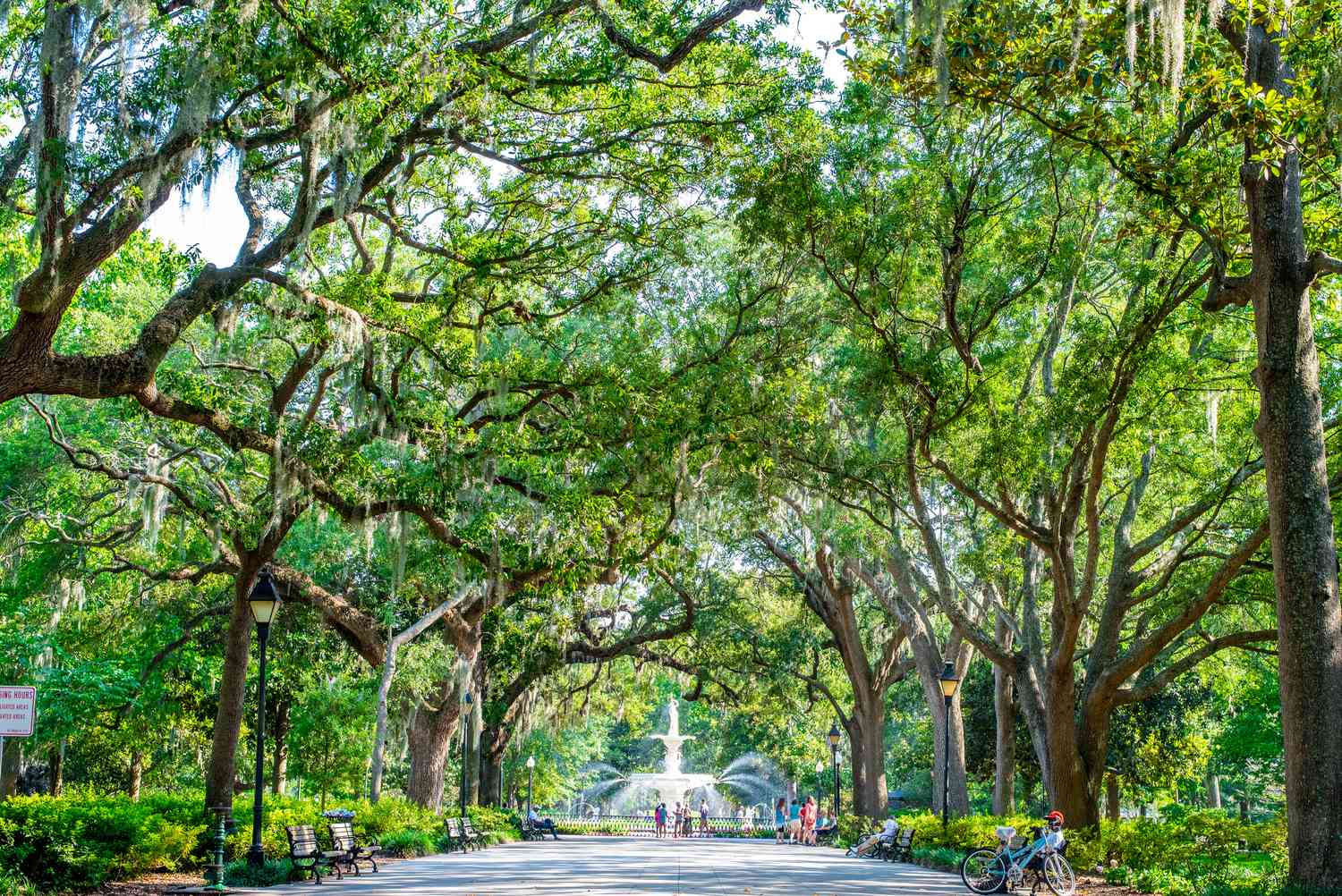
The slower pace of the off-season allows for deeper appreciation of the historic district's details. Wander through the squares, admire the architecture, and soak up the atmosphere. Ghost tours are popular year-round, and the cooler temperatures enhance the spooky ambiance. Forsyth Park remains beautiful in winter, even without summer's lush greenery.ce for a stroll or a picnic.
Savannah in Winter: A Cozy Historic District Stroll (What to Expect!)
Southern Charm Travels
Watch on YouTube →Beyond the Historic District: Winter Activities
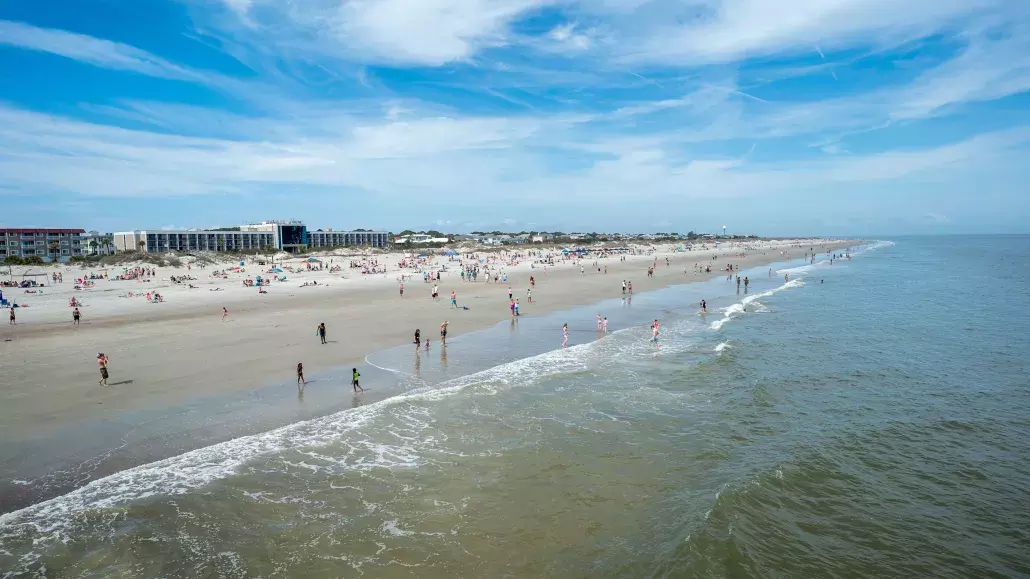
Savannah has much more to offer than just its historic district. Tybee Island is a short drive away, and while it may be too cold to swim, it’s still a great place for a walk on the beach or to explore the Tybee Island Light Station. Bonaventure Cemetery is a beautiful and atmospheric place to visit any time of year, but it’s particularly evocative in the winter.
I checked savannahga.gov for a calendar of events, and while the winter months tend to be quieter, there are still often local festivals, concerts, and performances happening. Check their website closer to your travel dates for specific events. A day trip to Charleston, South Carolina, is also a possibility. It’s about a two-hour drive, and Charleston is another charming historic city.
Consider exploring the shops and art galleries on Broughton Street. This is a great way to support local businesses and find unique souvenirs. River Street offers a variety of restaurants and bars, and it’s a fun place to people-watch. Even a simple stroll along the waterfront can be a rewarding experience.
Staying Safe: Winter Weather Preparedness
While Savannah winters are generally mild, it’s still important to be prepared for potential hazards. During a cold snap, dress in layers, cover your extremities, and avoid prolonged exposure to the cold. If you’re driving, be cautious of black ice, especially on bridges and overpasses. The savannahga.gov Hurricane Information page (https://www.savannahga.gov/hurricane-information) provides general emergency preparedness resources, even though it’s focused on hurricanes.
Rain can make sidewalks slippery, so wear shoes with good traction. Fog can reduce visibility, so drive slowly and use your headlights. Be aware of your surroundings and pay attention to weather updates. It’s always a good idea to check the forecast before heading out for the day.
Have a plan in case of severe weather. Know where the nearest shelters are located and how to get there. Keep a supply of essential items on hand, such as food, water, and medications. And most importantly, use common sense and stay safe. Knowing emergency contact information for Chatham County is always wise.

No comments yet. Be the first to share your thoughts!