

Start in the historic district
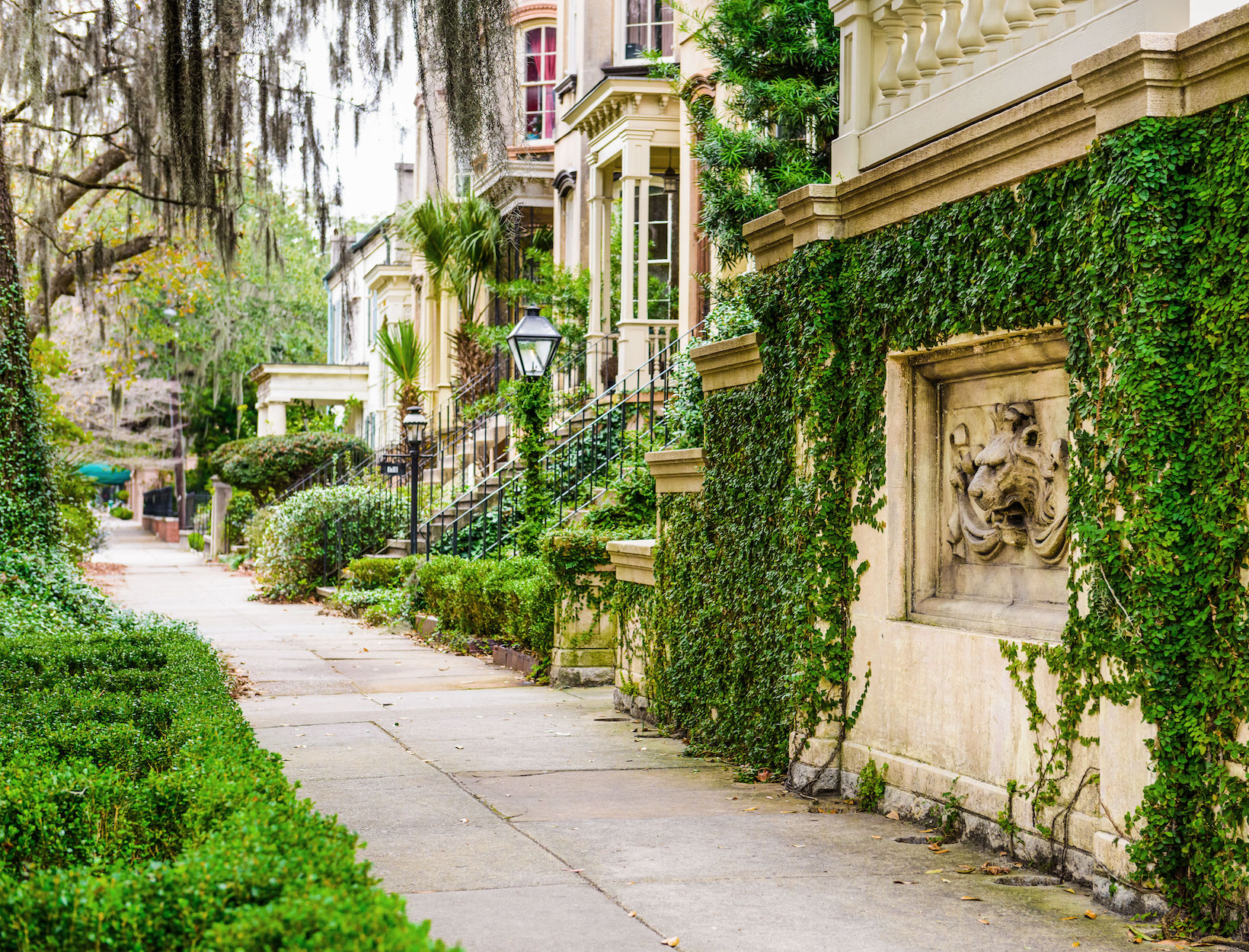
Savannah’s historic district is the city’s beating heart, a walkable grid of 22 squares that feels less like a museum and more like a living neighborhood. This is where you’ll find the famous Southern hospitality, stately Victorian homes, and the Spanish moss that gives the city its romantic, slow-paced identity. Most visitors base their first night here because the density of attractions means you can see the best of Savannah without needing a car.
The layout is deceptively simple. The district is bounded by the riverfront to the east, Oglethorpe Avenue to the north, East Broad Street to the south, and the Savannah River’s tidal edge to the west. Within this square mile, you’ll encounter everything from bustling boutiques in Broughton Street to quiet garden squares like Wright Square, which features the city’s oldest monument. The architecture here is a mix of Georgian, Federal, and Greek Revival styles, many of which have been carefully restored to preserve the 19th-century charm.
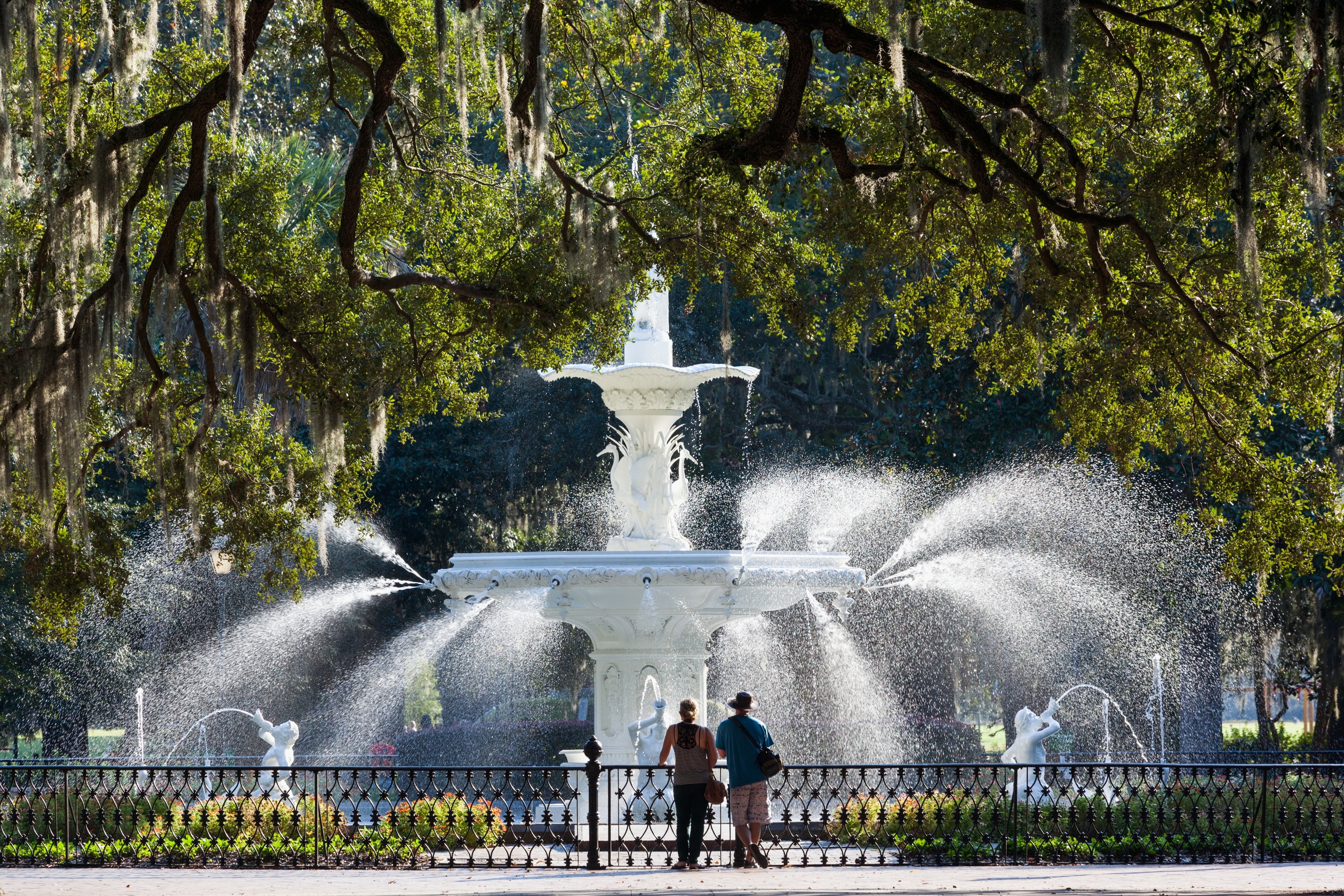
For a practical start, begin your walk at Forsyth Park. This 30-acre green space is the district’s largest park and serves as a natural anchor. From here, you can stroll north toward Broughton Street, the city’s premier shopping and dining corridor, or head east toward River Street for views of the harbor. The district is highly walkable, but the summer heat can be intense. Plan your outdoor exploration for early morning or late afternoon, and keep indoor stops like the Telfair Museums or local cafes handy for midday breaks.
Walk the famous squares
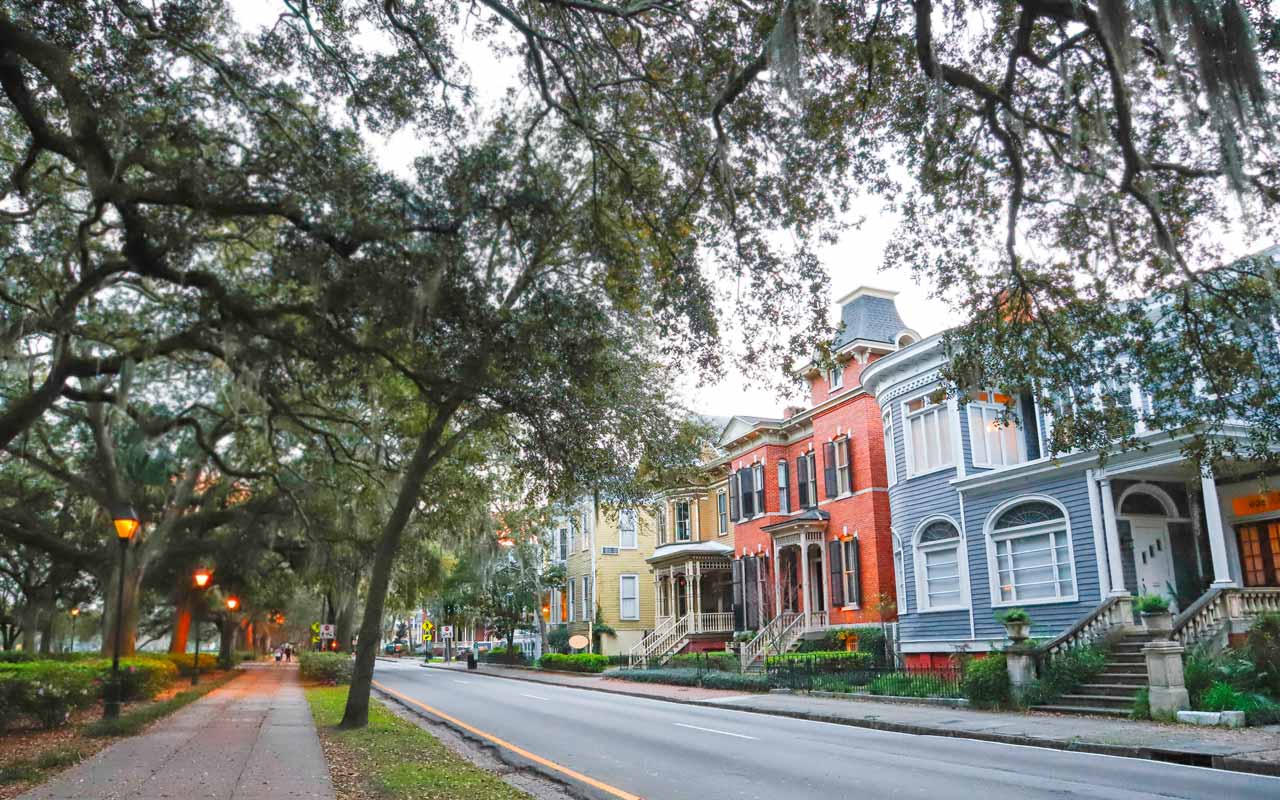
Savannah’s Historic District is built on a grid of 22 original squares, each acting as a green lung for the city. Walking them is the best way to understand the layout. You can move between them in about 15 minutes, but most visitors spend hours lingering. The atmosphere shifts with every block, from quiet residential parks to bustling hubs near Forsyth Park.
Start at Johnson Square, the largest and most central. It anchors the north end of the historic grid and features the monument to General Nathanael Greene. From here, walk south toward Chippewa Square. This is where Forrest Gump sat on his bench, a scene that draws crowds but offers a nice view of the oak-draped park.
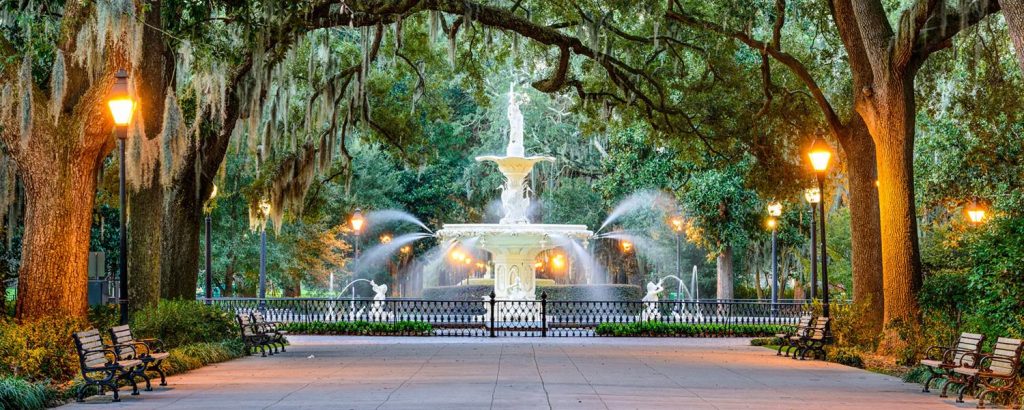
Next, head to Wright Square, known for its beautiful fountain and the nearby Cathedral of St. John the Baptist. Then move to Madison Square, which feels more like a neighborhood living room. It’s quieter, with great spots to sit and watch locals play chess or feed the ducks. These four squares give you a solid sense of the city’s history without feeling like a rushed tour.
The squares are free to visit and best explored on foot. Wear comfortable shoes, as the pavement can be uneven. Early morning or late afternoon offers the best light for photos and the coolest temperatures. Avoid midday heat, especially in summer, when the shade becomes your best friend.
Eat at local favorites
Savannah’s food scene balances historic charm with modern Southern innovation. You can find excellent meals at every price point, from casual sidewalk cafes to refined dining rooms. The best spots often serve lowcountry staples like shrimp and grits, she-crab soup, and fried green tomatoes.
To help you choose, here is a comparison of three distinct local favorites that capture the city’s culinary range.
| Restaurant | Price | Cuisine | Vibe |
|---|---|---|---|
| The Grey | $$$ | Modern Southern | Historic bus terminal |
| Mrs. Wilkes | $$ | Family Style | Traditional buffet |
| Bones Restaurant | $$$ | Steakhouse | Classic upscale |
The Grey, located in a restored 1930s bus terminal, offers a high-end take on Southern comfort food. It is a favorite for special occasions, though reservations are essential. Mrs. Wilkes Dining Room provides a unique communal experience where guests sit at long tables and are served a traditional Southern buffet. Bones Restaurant is a long-standing institution for steak and seafood in a quiet, elegant setting.
Timing matters when eating in Savannah. Many popular spots open late or close early, especially on Sundays. Check hours before you go, and consider visiting for lunch if dinner reservations are fully booked. The historic district is walkable, so you can easily hop between cafes and main restaurants.
Visit Tybee Island beaches
Tybee Island sits just 18 miles east of downtown Savannah, offering a quick escape from the city’s historic grid to a stretch of Atlantic coastline. The drive takes roughly 30 minutes via I-16 East, making it easy to pair with a morning in the city or a full-day beach trip.
Take I-16 East to Exit 49 (US-80 East). Follow signs for Tybee Island. The toll-free bridge leads directly onto the island. Parking is free on most side streets, but beach access points fill up by 10 AM on weekends.
Start at Tybee Island Pier for classic ocean views and snack shops. For wider sands and fewer crowds, head south to the Tybee Island Marine Science Center or north toward Fort Pulaski National Monument.
Tybee is a relaxed, family-friendly spot with a casual vibe. The water is warm in summer, but currents can be strong. Lifeguards are on duty from 9 AM to 6 PM between Memorial Day and Labor Day. Bring your own chairs and umbrellas to save money.
The island feels distinctly different from Savannah’s shaded squares. Here, the focus is on sun, sand, and simple pleasures. You’ll find a mix of local seafood shacks, ice cream parlors, and small boutique shops along Coastal Highway. It’s a place to slow down, watch the tide come in, and enjoy the salt air without the historic district’s crowds.
Plan your trip logistics
Getting around Savannah requires a mix of walking, driving, and local transit. The Historic District is compact and best explored on foot, but the city sprawls significantly beyond the riverfront. Understanding the layout helps you avoid traffic bottlenecks and parking headaches.
Timing and Seasons
Savannah experiences two peak tourist seasons: spring (March to May) and fall (September to November). During these months, expect higher hotel rates and crowded squares. Summer brings intense heat and humidity, which can make walking tours uncomfortable without early morning or late evening scheduling. Winter is mild but can be rainy; it’s the best time for lower prices and quieter streets.
Getting Around
The Historic District is walkable, but distances between squares can be deceptive. For longer trips to Forsyth Park or the Southside, you’ll need a car or rideshare. If you’re driving, note that parking in the Historic District is limited and expensive. Street parking is metered, and garages fill up quickly on weekends. Consider staying in a hotel with parking included or using the free downtown shuttle service for short hops.
Local Transit
Chatham Area Transit (CATS) operates the free DASH trolley, which loops through the Historic District. It’s a convenient way to cover ground without walking, especially in the heat. The trolley runs frequently during the day but stops early in the evening. For areas outside the historic core, regular CATS buses are affordable but less frequent.
Packing Essentials
Pack light, breathable clothing for the humid climate. Comfortable walking shoes are non-negotiable; the cobblestones in the Historic District can be uneven and hard on feet. Bring a light rain jacket, as summer storms can pop up unexpectedly. Sunscreen and a hat are essential, even on cloudy days.
Frequently asked: what to check next
How many days do I need in Savannah? Three days is the sweet spot. It gives you enough time to walk the historic district, visit Forsyth Park, and take a day trip to Tybee Island without feeling rushed. If you only have 24 hours, focus on the core squares and a riverfront stroll.
Is Savannah walkable? Yes. The historic district is compact and flat, making it ideal for walking. Most squares, restaurants, and shops are within a 15-minute walk of each other. Use the free downtown shuttle if you need to cover more ground quickly.
What is the best time to visit Savannah? Spring (March to May) and Fall (September to November) offer the most pleasant weather. Summers are hot and humid, while winters are mild but can be chilly. Book accommodations early during the Savannah Music Festival in April.
Are there hidden costs in the historic district? Parking can be expensive and limited. Many hotels charge daily resort or parking fees. Street parking is often metered, and garages fill up quickly. Consider using rideshares or the free trolley to avoid parking hassles.
No comments yet. Be the first to share your thoughts!