

Plan the route
Savannah’s historic district is compact, but its grid of squares and one-way streets can feel like a maze if you don’t have a direction. The most efficient way to experience the city is to treat it as a series of connected loops rather than a single long walk. Start your day in the northern part of the district and work your way south toward the river, using the riverfront as a natural boundary to turn around.
Begin at Forsyth Park, where the wide avenues allow for easy strolling before the midday heat sets in. From there, head south down Bull Street, the city’s main north-south spine. This path leads you directly through the heart of the historic district, passing the Cathedral of St. John the Baptist and several of the famous squares. Walking south keeps the sun at your back for most of the morning, making the experience more comfortable.
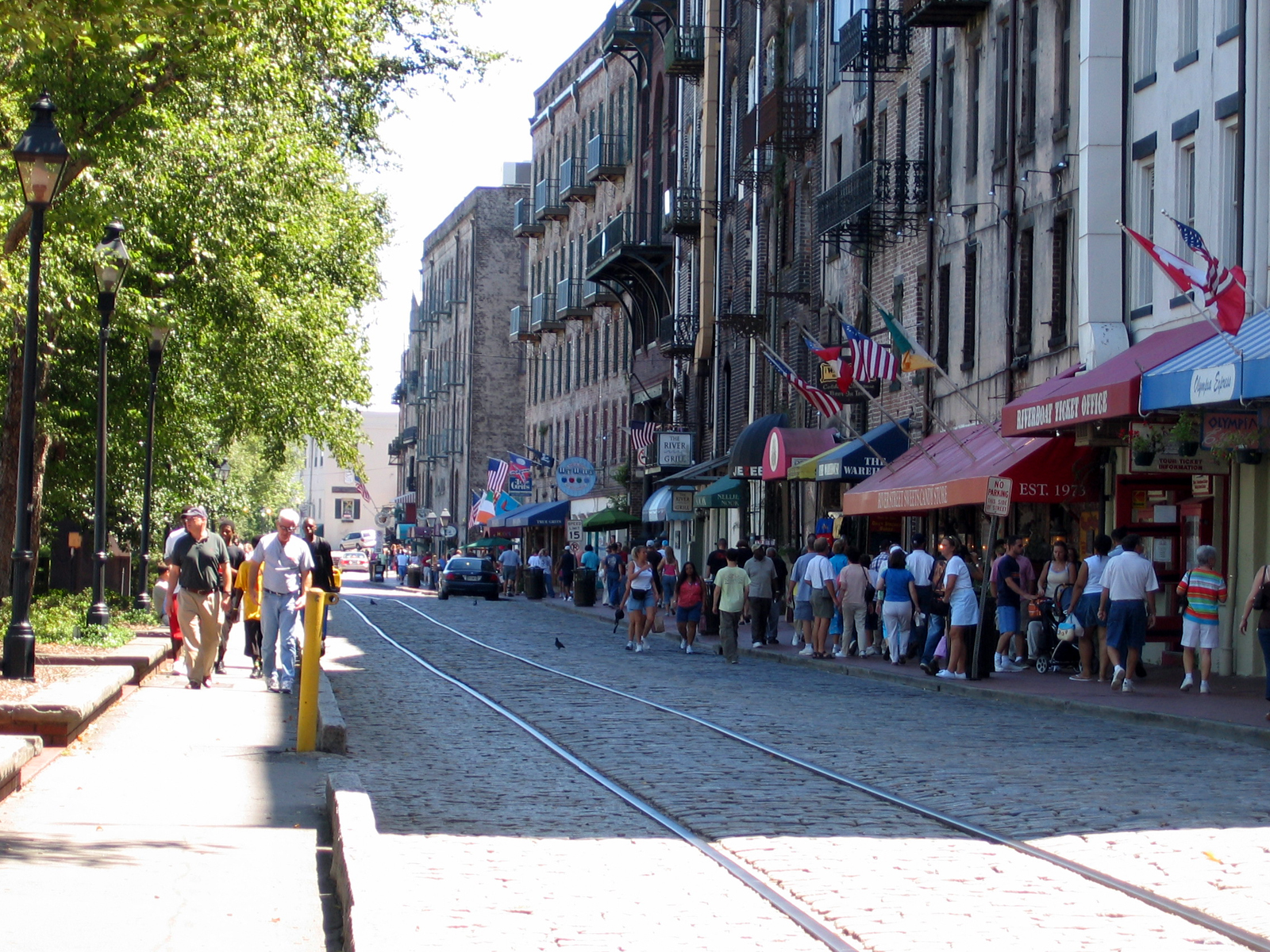
Once you reach River Street, take a brief stroll along the cobblestones to see the historic warehouses converted into shops and restaurants. Instead of lingering too long here, cross the street to the River Street Market or head west to the Telfair Museums. This creates a logical loop that covers the major landmarks without backtracking. Use the checklist below to track your stops and ensure you don’t miss the quieter squares tucked between the main attractions.
Begin your route at the park’s iconic fountain. It’s a natural gathering point and offers a cool start before exploring the surrounding streets. Use this time to grab coffee and map out your southward path.
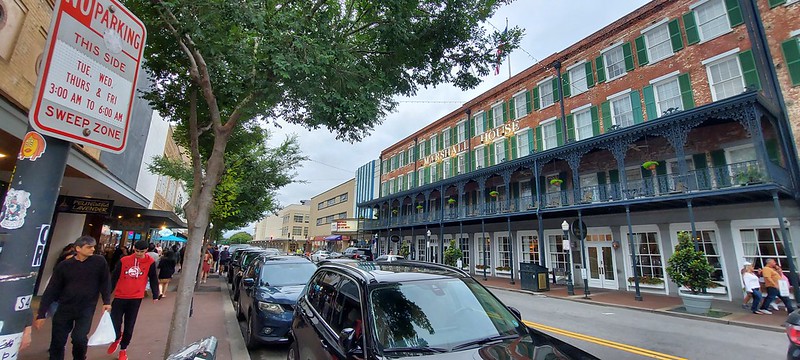
Bull Street is the main artery. Walking south here puts you in the flow of local traffic and places you directly in front of key sites like the Cathedral. It’s the most efficient way to cover ground while soaking in the architecture.
Don’t just stick to Bull. Turn onto side streets like Broughton or Habersham to find the hidden squares. These smaller paths are where you’ll find the best photography opportunities and quieter moments away from the main crowds.
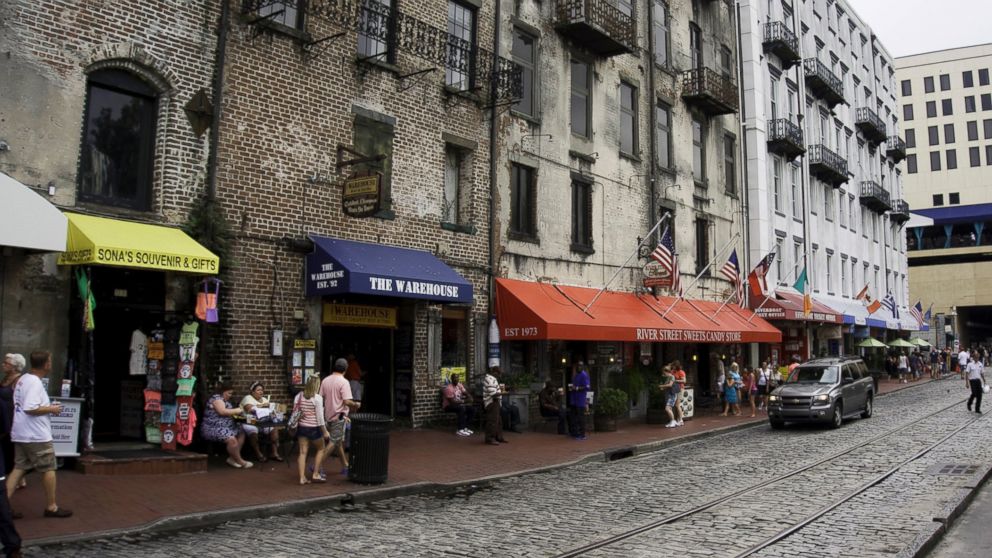
Finish your loop at the river. The cobblestones and historic warehouses provide a dramatic end to your walk. Use this area for lunch or a final look at the harbor before heading back north or to your accommodation.
-
Check park hours for Forsyth Park events
-
Verify museum closing times if visiting Telfair
-
Wear comfortable shoes for cobblestone streets
-
Keep water handy, especially in summer
Stops Worth Prioritizing
Savannah’s Historic District is dense, but not every square block demands equal time. The city’s grid of 22 public squares creates natural clusters of activity. To make the most of a weekend, you should group your stops by neighborhood rather than chasing every landmark. This approach minimizes backtracking and lets you absorb the atmosphere without rushing.
The core of the Historic District revolves around Forsyth Park to the south and River Street to the east. Most first-time visitors focus on the area between Bull Street and Abercorn Street, where the majority of antebellum homes and historic sites are concentrated. By anchoring your day here, you can walk between major attractions in 10-15 minutes. This central zone offers the highest density of photo opportunities, dining, and architectural history.
Some attractions, while famous, often compete with each other for the same few hours. The Owens-Thomas House, the Mercer-Williams House, and the Bonaventure Cemetery are all exceptional, but they require different types of energy and time commitments. Bonaventure, for instance, is a 20-minute drive from the center and deserves a dedicated morning slot. Trying to cram it into an evening walk after a long day of sightseeing rarely works. Prioritize based on your energy levels and interests.
Use the table below to compare the primary historic sites. This helps you decide which stops fit your schedule and which ones you can skip if time runs short.
| Attraction | Time Needed | Cost | Best For |
|---|---|---|---|
| Forsyth Park | 1-2 hours | Free | Relaxation and photos |
| Fulton Market | 30-60 mins | Free (food costs extra) | Breakfast and lunch |
| Historic House Museums | 45-90 mins each | $15-25 each | Architecture history |
| River Street | 1-2 hours | Free (shopping costs extra) | Evening atmosphere |
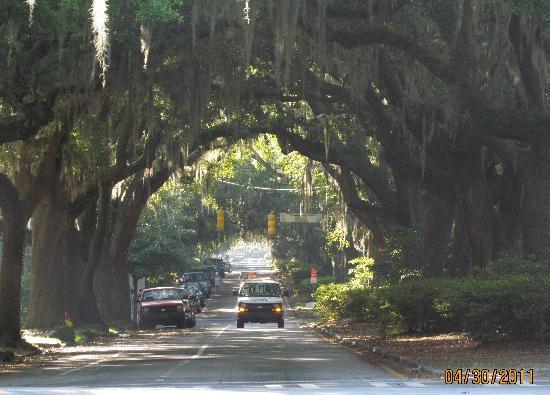
| Wormsloe Historic Site | 1.5-2 hours | $10 | Olive tree tunnel and history |
River Street is often the most controversial stop. It is highly commercialized and crowded, but it offers a unique glimpse into Savannah’s port history. If you visit, go early in the morning or late at night to avoid the biggest crowds. Otherwise, consider skipping the shopping and just walking the cobblestones for the view of the Savannah River. The real charm of the city lies in the quiet squares and shaded streets, not the souvenir shops.
Reddit travelers often debate whether the guided trolley tours are worth the cost. Many first-time visitors find the Hop-On Hop-Off trolley useful for covering ground quickly, especially if you are short on time. However, the walking tours offer more depth and context. If you choose the trolley, use it to get oriented, then hop off and explore the squares on foot for a more authentic experience.
Timing and logistics
Savannah’s charm lies in its walkability, but the logistics of getting around and securing reservations require a bit of planning. The Historic District is compact, meaning you can skip the car for most of your stay. However, parking is the biggest hurdle. Street parking is metered from 8:30 a.m. to 9:30 p.m. daily. Rates vary by zone, typically running $1.50 to $2 per hour. If you prefer not to hunt for spots, several multi-level parking garages line the edges of the Historic District, such as those near Bull Street and Martin Luther King Jr. Boulevard. Expect to pay $15 to $25 per day. Arrive early, especially on weekends, as lots fill up by 10 a.m.
For transit within the city, the Chatham Area Transit (CAT) system offers the DOT circulator bus. This free loop runs frequently through the Historic District, making it easy to hop between squares, museums, and River Street without dealing with traffic. It’s a practical alternative to rideshares during peak hours. If you venture out to Tybee Island or Wormsloe Historic Site, you’ll need a car or a rideshare, as public transit is less frequent in those areas.
Dining reservations are non-negotiable for popular spots. Savannah’s food scene is crowded, and tables at well-known restaurants like The Husk or The Olde Pink House fill up weeks in advance. Book at least two weeks out for dinner. For breakfast or brunch, aim for 9 a.m. arrivals to avoid long waits. River Street restaurants often have outdoor seating, which is pleasant in the morning but can get crowded and noisy by midday. If you’re planning a sunset dinner on the river, reserve a window table early to secure the best views.
Finally, consider the timing of your activities. Savannah is humid in the summer, so plan outdoor square-hopping for early morning or late afternoon. Midday heat can make walking difficult. In winter, days are shorter, so start your itinerary earlier. Always check local event calendars, as festivals or street fairs can close certain streets to traffic, adding detours to your route.
Common questions
Is the Historic District walkable? Yes, the grid layout makes the Historic District highly walkable. Most major sites, including Forsyth Park and River Street, are within a 20-minute stroll. The district is compact, so you can easily cover the main squares and architecture on foot without needing a car.
How do I get around without a car? The Savannah Belleezer Trolley offers hop-on, hop-off service that covers the Historic District and connects to River Street. For longer trips to Tybee Island or Wormsloe Historic Site, ride-sharing services are reliable and affordable. Parking is tight in the center, so relying on the trolley or walking is often faster than driving.
Is River Street crowded on weekends? River Street gets very busy, especially on Saturday evenings. To avoid the crowds, visit early in the morning or late at night. The cobblestone streets can be slippery and uneven, so wear sturdy shoes. It’s best for dining and views rather than quiet exploration.
What is the best time to visit Savannah? Spring (March to May) and Fall (September to November) offer the most comfortable weather for walking. Summers are hot and humid, while winters are mild but can be chilly. Book accommodations early for spring and fall, as these are peak seasons for Savannah weekend getaways.
No comments yet. Be the first to share your thoughts!