
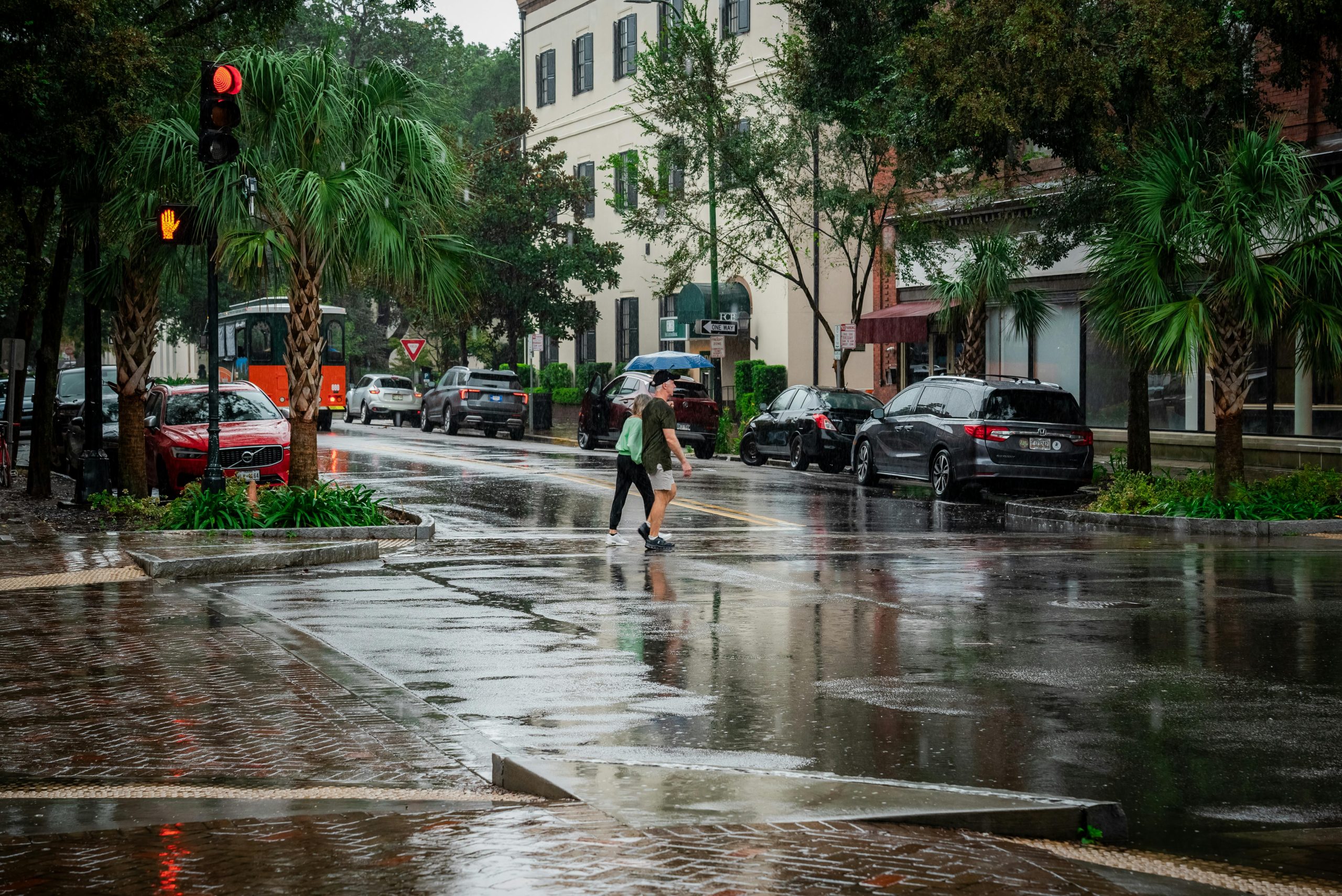

Plan the route
Savannah’s Historic District is compact, but the layout can feel like a maze of squares and one-way streets. Without a car, your biggest asset is sequencing. Grouping nearby stops prevents you from backtracking across town or wasting hours in transit. Think of your itinerary as a loop rather than a scatter of points.
Start with the central squares. Forsyth Park and the surrounding area make a natural anchor for the first half of the day. From there, move west toward the riverfront. River Street and River Street Market are within easy walking distance from the squares, creating a seamless flow from park to port.
Save the eastern edge for late afternoon. The cobblestones of River Street are beautiful but can be uneven and slippery, so save them for when you’re less rushed. If you need to cover more ground, the free DOT trolley loops connect the major districts, but walking is often faster for short hops between squares.
Use the map below to visualize the loop. It highlights the core walkable zone where most hotels, restaurants, and historic sites cluster. Staying within this perimeter minimizes reliance on rideshares and keeps your weekend stress-free.
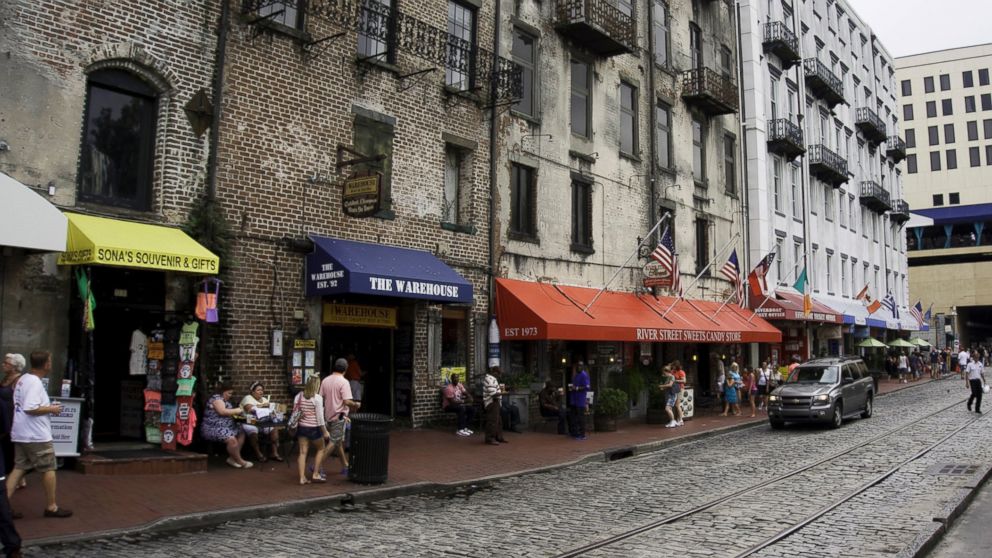
Begin your route at Forsyth Park. The fountain and orchid house are central landmarks. From here, you can easily walk north to the squares or south toward the river. It’s a good place to grab coffee and map out the rest of your day.
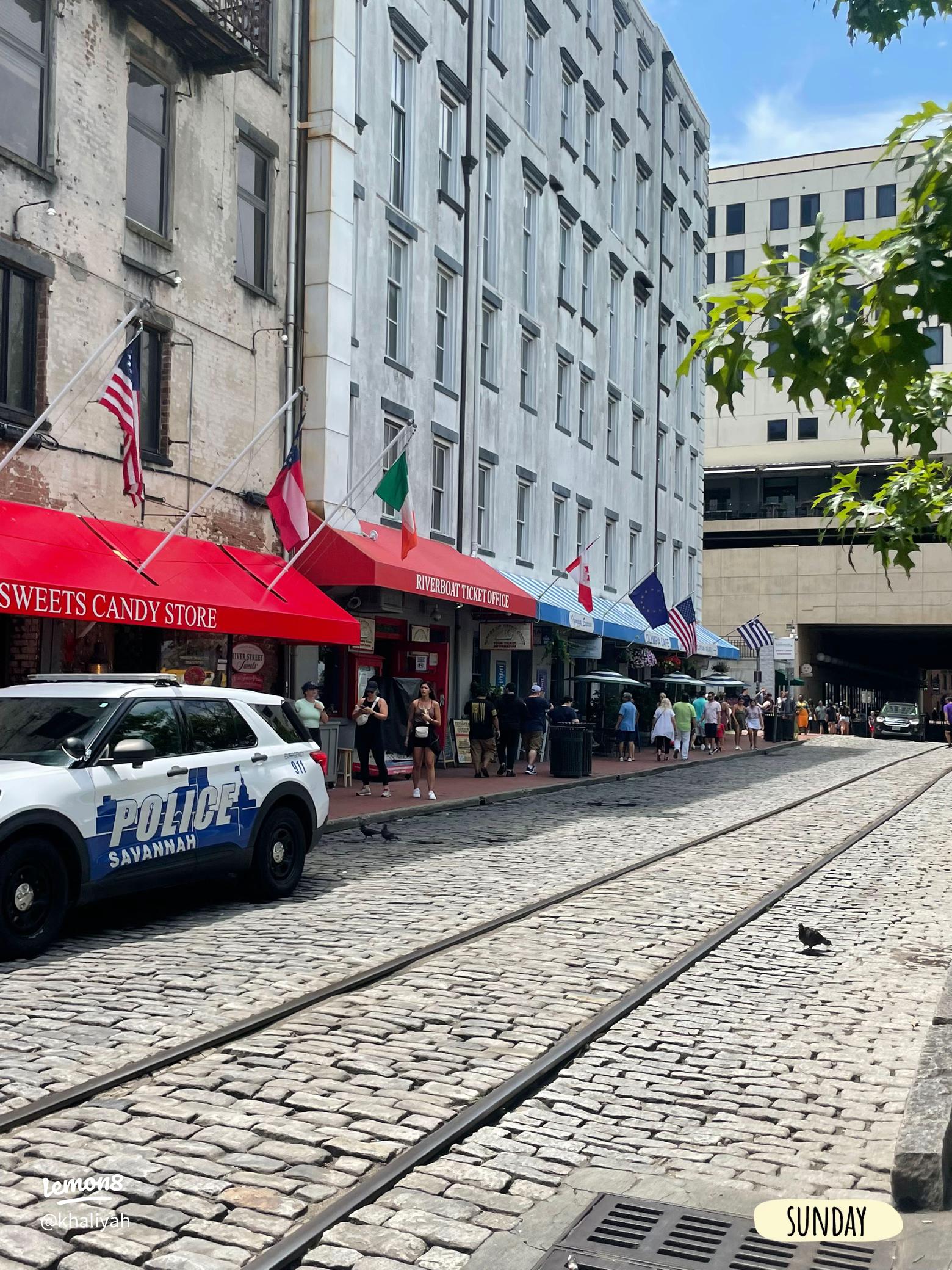
Move west toward Johnson Square and Chippewa Square. These are the heart of the city. Walk slowly to appreciate the architecture and history. This area is dense with stops, so you can easily spend two hours just wandering between these two points.
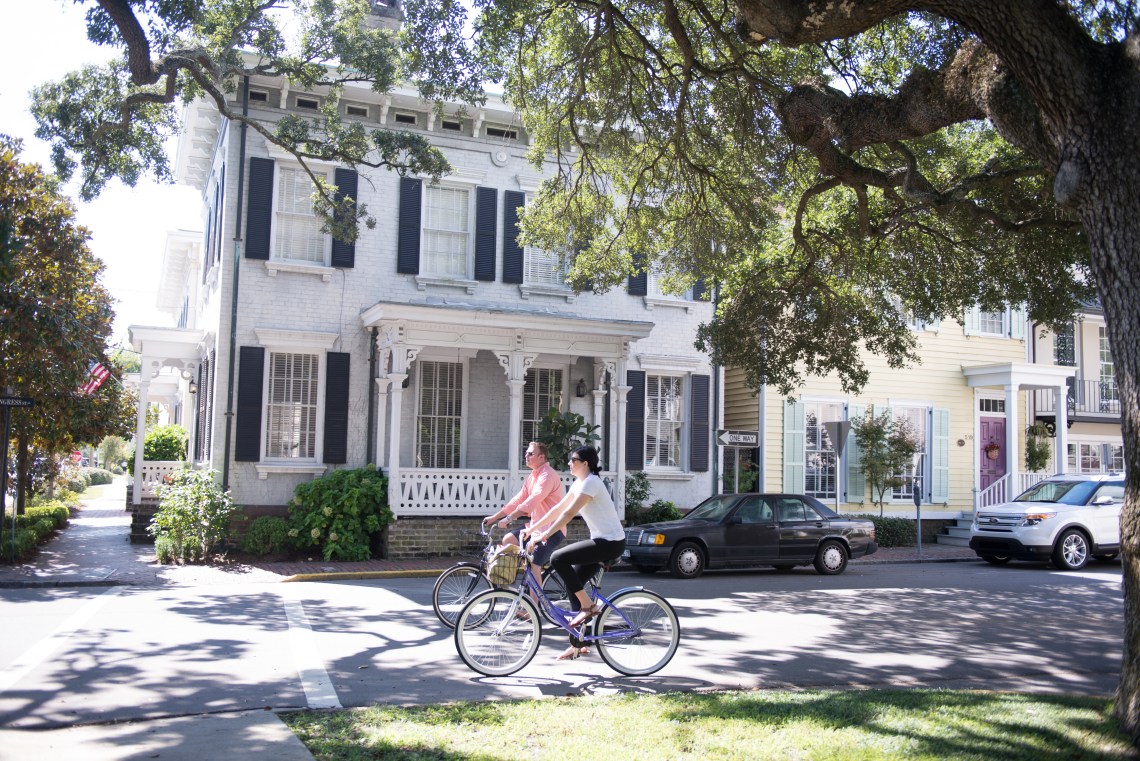
Finish your loop at River Street. The cobblestones and historic warehouses are iconic. Grab dinner here to cap off the day. The area is lively and well-lit, making it a safe and convenient end point for a walking itinerary.
-
Wear comfortable walking shoes
-
Download offline maps
-
Check trolley schedules
-
Bring water
Stops Worth Prioritizing
Savannah’s Historic District is compact, but the difference between a tight itinerary and a wandering day comes down to grouping stops by neighborhood. You can cover the core grid on foot in a few hours, but adding River Street or a specific park requires a short walk or a quick ride. Prioritize locations that sit within a 10-minute radius of each other to save energy and time.
The heart of the walkable experience centers on the four original squares and the surrounding streets. Forsyth Park is the largest green space, but it sits on the western edge of the grid. If you start there, you can walk eastward through the residential squares toward City Market. This direction works best in the morning when the light is soft and the streets are quieter. Avoid starting at the far eastern edge of River Street if you plan to walk back west; the distance adds up quickly in the heat.
Not every famous spot is equally worth the detour. Some attractions are iconic but require a bus ride or a significant walk from the main tourist corridor. For example, Bonaventure Cemetery is beautiful but isolated, making it a full half-day commitment if you don’t have a car. Similarly, the SCAD Museum of Art is excellent but tucked away in a quieter part of the district. If your time is limited, stick to the high-density zones where food, history, and architecture overlap.
The following table breaks down the primary zones to help you decide where to spend your hours. Use this to balance walking distance with the density of experiences.
Map of Walkable Routes
Timing and Logistics
Navigating Savannah without a car requires a bit of planning, but the city’s compact downtown makes it highly manageable. Most major attractions, historic squares, and dining spots cluster within a walkable radius, meaning your primary mode of transport will be your own two feet. For destinations slightly further out, such as Bonaventure Cemetery or Forsyth Park, rideshares like Uber and Lyft are readily available and affordable for short trips.
Parking in the Historic District is notoriously difficult and expensive. If you do drive to Savannah, avoid trying to park near your accommodations unless you have a dedicated spot. Instead, use the free downtown shuttle system or park at a peripheral lot and walk. The city’s free trolley loops cover many key areas, but they can get crowded during peak tourist hours. For a more relaxed pace, consider renting a bike from one of the local shops; the flat terrain makes cycling a pleasant alternative to walking.
Reservations are essential for popular restaurants, especially on weekends. Many of Savannah’s best spots fill up weeks in advance. Book your meals ahead of time to avoid disappointment. Similarly, if you plan on taking a riverboat cruise or a guided walking tour, securing tickets online is the safest bet. This approach ensures you won’t miss out on experiences due to last-minute availability issues.
Timing your visits can also enhance your experience. Early mornings are ideal for exploring the squares and parks, as the heat is lower and the crowds are thinner. Late afternoons offer beautiful lighting for photography and a more relaxed atmosphere for dining. By strategically planning your schedule around these peak and off-peak times, you can enjoy a smoother, more enjoyable car-free weekend in Savannah.
Savannah weekend itinerary without a car: common: what to check next
Planning a trip to Savannah without a vehicle is straightforward if you know how the city’s transit layers work. The Historic District is dense and pedestrian-friendly, but distances can stretch quickly under the summer sun. Here are the practical answers to the most common questions travelers ask before booking their car-free weekend.
The key to a smooth car-free weekend is balancing your walking routes with the shuttle or trolley. Use the free Dot Express for short hops between squares and River Street. Reserve your ride-share budget for the cemetery or Forsyth Park if you are staying near the eastern edge. This mix keeps your itinerary flexible and your feet happy.
No comments yet. Be the first to share your thoughts!