
Plan the route
The Savannah Travel works best as a clear sequence: define the constraint, compare the realistic options, test the tradeoff, and choose the path with the fewest hidden costs. That order keeps the advice usable instead of decorative. After each step, pause long enough to check whether the recommendation still fits the reader's actual situation. If it depends on perfect timing, unusual access, or a best-case budget, include a simpler fallback.
Stops worth prioritizing
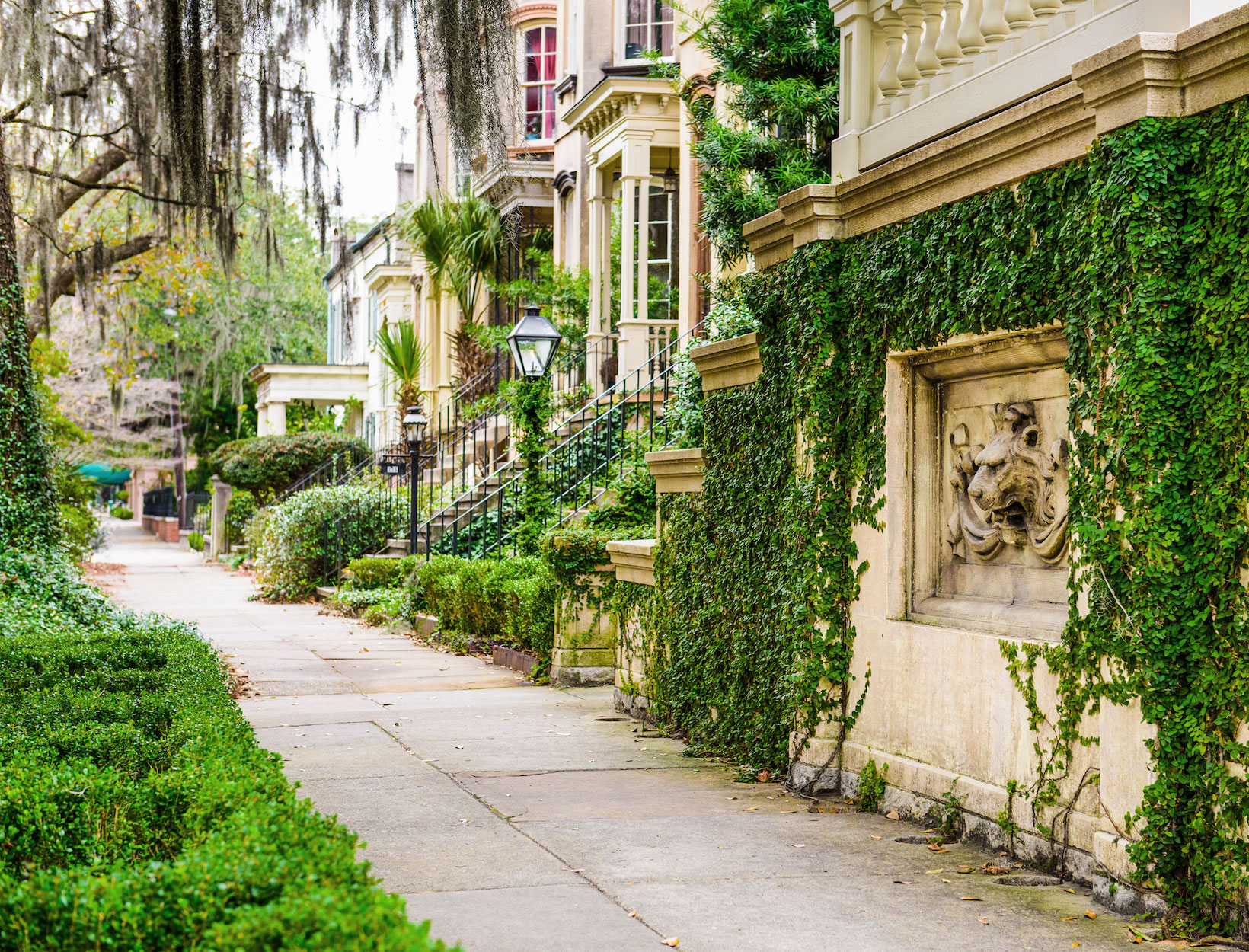
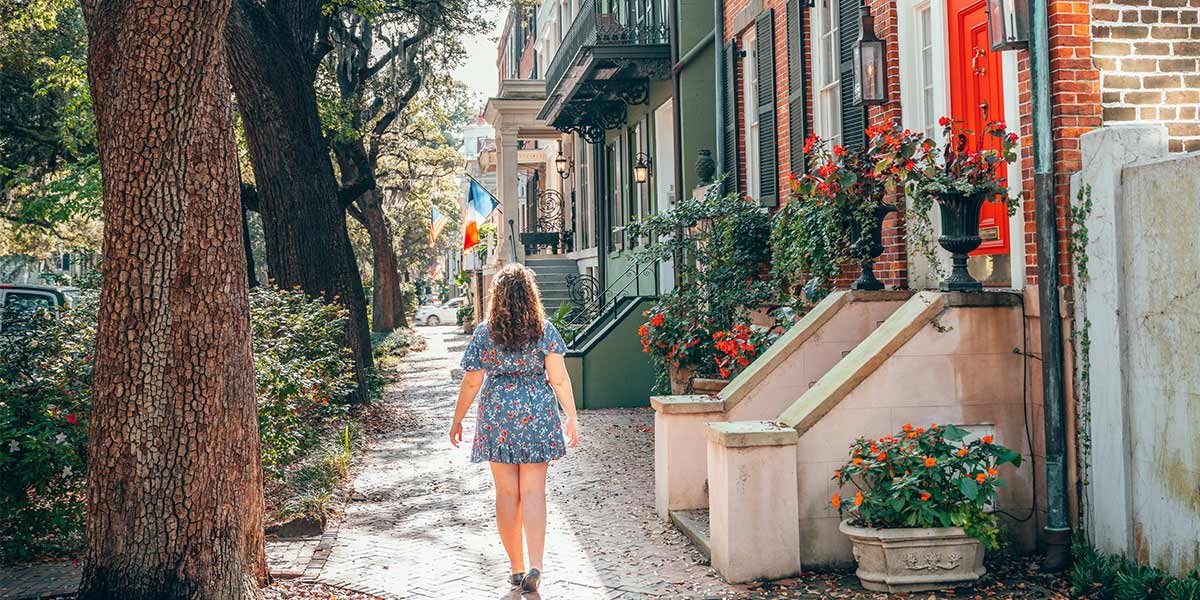
Savannah’s historic district is dense, but not every square block warrants a detour. To maximize your time, separate the essential landmarks from the optional detours. Prioritize sites that anchor the city’s layout and offer distinct historical context, saving smaller side streets for when you have extra hours.
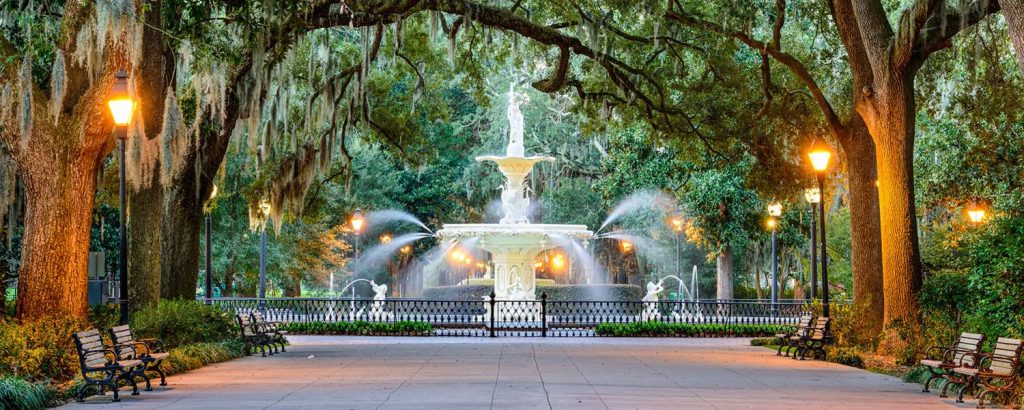
Start with Forsyth Park and the Cathedral of St. John the Baptist. These landmarks sit near the center of the grid, making them efficient stops. Forsyth Park provides a green respite from the paved squares, while the cathedral offers interior architecture that rivals any European church. Afterward, walk down Bull Street to catch the historic trolley stops, which provide context for the surrounding Victorian homes.
River Street is a common trap for first-timers. It is beautiful, but it is primarily a tourist corridor with high-end retail and crowded walkways. If you go, visit at sunset when the warehouse lights reflect on the Savannah River. Avoid it during peak lunch hours to escape the crowds. Instead, look for the hidden squares like Chippewa and Johnson, which offer quiet moments among the oak trees.
| Stop | Priority | Best Time | Local Note |
|---|---|---|---|
| Forsyth Park | Must-see | Morning | Large, open, and photogenic. |
| Cathedral of St. John | Must-see | Daylight | Check mass schedules for quiet visits. |
| River Street | Optional | Sunset | Crowded midday; best for evening ambiance. |
| Bonaventure Cemetery | Must-see | Late afternoon | Requires a car; go before dark. |
Bonaventure Cemetery is a must-see for its atmospheric moss-draped trees and historic graves, but it is outside the walkable grid. It requires a car and careful timing, as it closes at dusk. Plan this for the end of your day. If you skip it, you miss one of Savannah’s most iconic visual experiences, but it is not essential for a short city-centric itinerary.
Timing and logistics for Savannah
Savannah’s charm lies in its walkability, but navigating the city requires a bit of strategy. The historic district is compact enough to explore on foot, yet the grid of streets and one-way systems can confuse first-time drivers. Understanding the local rhythm helps you avoid bottlenecks during peak hours.
Parking and transit
Street parking in the Historic District is metered from 8 a.m. to 9 p.m., Monday through Saturday. Rates vary by location, but expect to pay between $1.50 and $3.00 per hour. Many visitors prefer using the free DOT (Downtown Trolley) to move between major attractions, which runs frequently along the main corridors. For overnight stays, most downtown hotels offer valet or self-parking, though rates can range from $20 to $40 per night. If you’re driving into the district, consider parking at the Savannah Public Library garage on Martin Luther King Jr. Boulevard for a more affordable flat rate.
Reservations and timing
Dining in Savannah has become increasingly competitive. Popular spots like The Grey, Husk, and Starland Wynwood require reservations weeks in advance, especially for weekend dinners. Walk-ins are possible but often involve long waits. For casual eats, the Forsyth Market and various food trucks offer immediate options without the need for planning.
Seasonal considerations
Savannah’s weather dictates your schedule. Summers are hot and humid, making early morning or evening walks more comfortable. Spring and fall offer mild temperatures ideal for exploring the squares and parks. Winter is mild but can be rainy, so pack accordingly. The city is busiest during the fall foliage season and holiday events, so book accommodations early if visiting in November or December.
Savannah travel: what to check next
Planning a trip to Savannah requires more than just picking a hotel; it involves navigating the unique layout of the historic district, understanding the local pace, and timing your visits to popular spots. Here are the most common practical questions travelers ask before booking their stay.
Is it better to walk or drive in Savannah?
Walking is the primary way to experience the city. The historic district is laid out in a grid of 22 squares, making it highly walkable for most attractions. However, parking can be scarce and expensive in the downtown area. If you plan to visit sites outside the historic core, such as Wormsloe State Historic Site or Tybee Island, renting a car or using rideshare services is necessary. For most visitors, staying within walking distance of their accommodation is the most efficient strategy.
What is the best time of year to visit Savannah?
Spring (March to May) and fall (September to November) offer the most comfortable weather, with mild temperatures and lower humidity. Summer months can be hot and sticky, which may limit outdoor activities during the day. Winter is mild but can be rainy. The Savannah Film Festival in October and the Christmas Boat Parade in December are major events that draw large crowds, so book accommodations well in advance if you plan to visit during these peak times.
How many days do I need in Savannah?
Two to three days is usually sufficient to cover the major highlights. Day one can focus on the historic squares, Forsyth Park, and the River Street area. Day two might include a ghost tour, a visit to Bonaventure Cemetery, and exploring the Arts District. If you want to include a day trip to Tybee Island or the nearby beaches, adding a fourth day allows for a more relaxed pace without feeling rushed.
Are there hidden costs or scams I should watch out for?
Savannah is generally safe, but be aware of common tourist traps. Some "free" walking tours may pressure you for high tips, and certain street performers may demand payment. Always agree on prices before accepting services like carriage rides or taxi tours. Additionally, check if your hotel charges a resort fee or parking fee, as these are not always included in the initial booking price. Stick to reputable tour operators and always carry small bills for tips.
No comments yet. Be the first to share your thoughts!