

When to visit Savannah
Choosing the right time to visit Savannah depends on how you want to experience the city’s historic districts and beaches. The weather here shifts distinctly between seasons, affecting everything from outdoor dining comfort to crowd levels at major attractions like Forsyth Park and River Street.
Spring and fall offer the most balanced conditions. From March to May, temperatures rise gently from the 70s to the upper 80s, making it ideal for walking tours and outdoor sightseeing. These months also host popular events like the Savannah Music Festival and St. Patrick’s Day celebrations, which draw larger crowds but keep the atmosphere lively. Similarly, September through November brings cooling temperatures and fewer tourists, providing a quieter, more relaxed pace for exploring the city’s cobblestone streets and historic homes.
Summer in Savannah is hot and humid. Highs regularly exceed 90°F with high humidity, which can make midday outdoor activities uncomfortable. However, this is also the peak season for beach trips to nearby Tybee Island, and many travelers find the heat manageable by focusing on early morning or evening outings. If you plan to visit during these months, packing light, breathable clothing and sun protection is essential.
Winter is mild but unpredictable. Average high temperatures hover around 60°F, with occasional dips below freezing. While snow is rare, rain is more common. This season attracts visitors looking for a quieter experience and holiday decorations, particularly during the Savannah Christmas Parade. It’s a good time for those who prefer indoor activities, museum visits, and cozy fireplace chats in historic inns.
Consider your priorities when planning your trip. If you want vibrant street life and outdoor festivals, spring or fall are best. If you prefer lower prices and fewer crowds, winter offers a unique charm despite the cooler weather. Summer is best if beach time is your main goal and you don’t mind the heat.
Where to Stay in Savannah
Choosing the right neighborhood sets the pace for your trip. Savannah’s layout is compact, but the vibe shifts dramatically depending on where you park your bags. For most visitors, the Historic District offers the best balance of walkability, history, and access to major attractions. Staying here means you can reach Forsyth Park, River Street, and the city’s famous squares on foot, saving time and letting you soak in the atmosphere without needing a car.
If you are visiting for the first time, staying north of Forsyth Park is often the sweet spot. This area, sometimes referred to as the North Historic District, places you within walking distance of the park’s greenery while keeping you close to the bustling energy of Broughton Street’s shopping and dining. It offers a slightly quieter retreat at night while remaining central to the action. For those prioritizing river views and historic charm, the area along River Street provides a unique waterfront experience, though it can be noisier due to tourist traffic.
To help you decide, here is a quick comparison of the top areas based on vibe, price, and proximity to key sights.
| Neighborhood | Vibe | Price Range | Proximity to Key Attractions |
|---|---|---|---|
| North Historic District | Charming & Central | $$-$$$ | Walking distance to Forsyth Park & Broughton St |
| River Street | Waterfront & Lively | $$-$$$ | On River Street & City Market |
| South Historic District | Quiet & Residential | $$-$$$ | Short drive/taxi to Forsyth Park & River Street |
| Victorian District | Elegant & Spacious | $$$-$$$$ | 5-10 min drive to Historic District core |
Top historic districts to explore
Savannah’s historic charm is concentrated in its grid-like downtown, where 22 original squares anchor distinct neighborhoods. Each area offers a different slice of the city’s 19th-century architecture and culture. Prioritize these three districts for a balanced view of the city’s heritage.
The Historic District
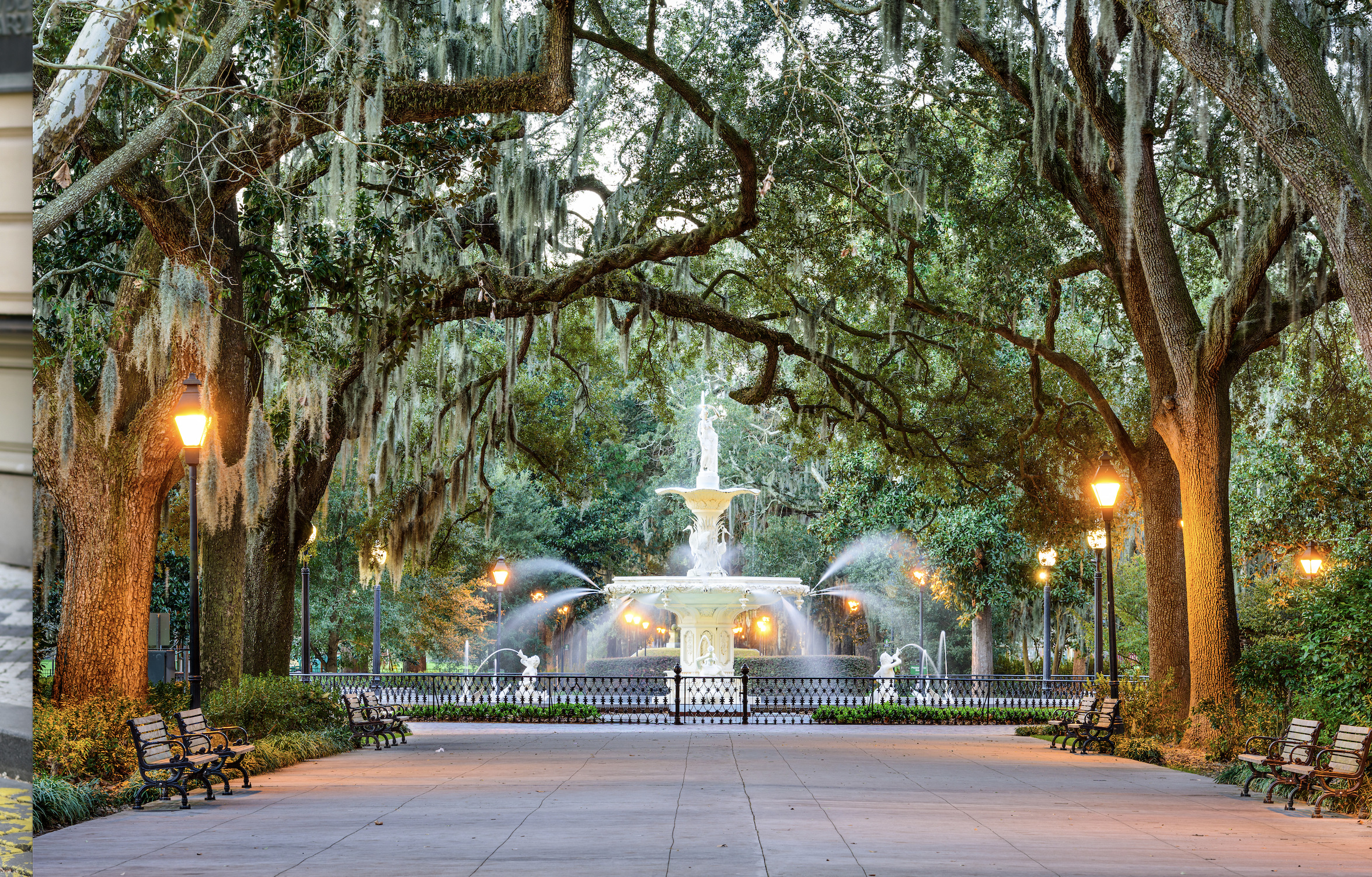
This is the core of Savannah, bounded by the river, Montgomery Street, East Broad Street, and Oglethorpe Avenue. It contains the majority of the city’s historic squares, including Forsyth Park and Chippewa Square. The area is dense with antebellum mansions, Greek Revival homes, and Victorian row houses. Walking here feels like stepping into a living museum, with cobblestone streets and moss-draped oaks lining every block. The concentration of historic buildings makes this the best place for photography and architectural study.
The Victorian District
Located just south of the Historic District, the Victorian District showcases the city’s later architectural evolution. Built primarily in the mid-to-late 19th century, this area features colorful gingerbread-style homes and intricate woodwork. It offers a more residential feel while remaining walkable and close to downtown attractions. The district’s unique streetscapes provide a quieter alternative to the busier tourist corridors, yet it retains significant historical value.
The River Street and Riverfront
River Street runs along the Savannah River and was once the city’s bustling wharf district. Today, it is a pedestrian-friendly area filled with antique shops, galleries, and restaurants housed in restored cotton warehouses. The brick-paved streets and historic industrial architecture create a distinct atmosphere compared to the residential squares. The waterfront views and proximity to riverboats make it a key destination for understanding Savannah’s maritime history.
Best beaches near Savannah
Savannah’s charm lies in its moss-draped oaks and cobblestone streets, but the real draw for many visitors is the coast. The closest beach options offer a mix of convenience, natural beauty, and distinct vibes. Whether you want a lively boardwalk or a quiet stretch of dunes, the Georgia coast delivers within a short drive.
Tybee Island is the most accessible option, located just 18 miles east of downtown Savannah. This small island town offers a classic beach experience with a pier, lighthouse, and a variety of restaurants and shops along Ocean Avenue. The sand is wide and the water is calm, making it ideal for families. Because it is so close, it can get crowded, especially on weekends.
Hilton Head Island offers a more upscale experience about 45 minutes south. Known for its pristine golf courses and well-maintained bike paths, Hilton Head caters to those seeking a relaxed, resort-style atmosphere. The beaches here are extensive, with many access points that feel less congested than Tybee. It is perfect for travelers who want to combine beach time with high-end dining and shopping.
Wilmington Island provides a quieter, more local alternative just south of the city. This barrier island is less developed, offering a more natural and serene beach experience. It is ideal for those who want to escape the tourist crowds and enjoy a peaceful day by the sea. The lack of commercial development means you will find more solitude and a stronger sense of the local coastal environment.
Essential gear for your trip
Savannah’s historic district is best explored on foot, but the Lowcountry climate demands preparation. You will be walking on uneven cobblestones and brick paths while navigating humidity that feels heavy by mid-morning. Packing the right gear keeps you comfortable enough to enjoy Forsyth Park and the riverfront without being distracted by blisters or overheating.
Start with footwear that offers stability and breathability. Avoid stiff leather boots that trap heat; instead, choose lightweight walking shoes with good arch support. Pair these with moisture-wicking socks to prevent blisters during long days of sightseeing. A wide-brimmed hat is non-negotiable for sun protection, especially when you are standing in line for popular attractions or sitting in outdoor cafes.
Heat management is the final piece of the puzzle. A portable handheld fan can make a significant difference when you are walking between air-conditioned museums and hot streets. Don’t forget a reusable water bottle to stay hydrated, and pack a small backpack with sunscreen and insect repellent for evening walks where mosquitoes may be active near the marshes.
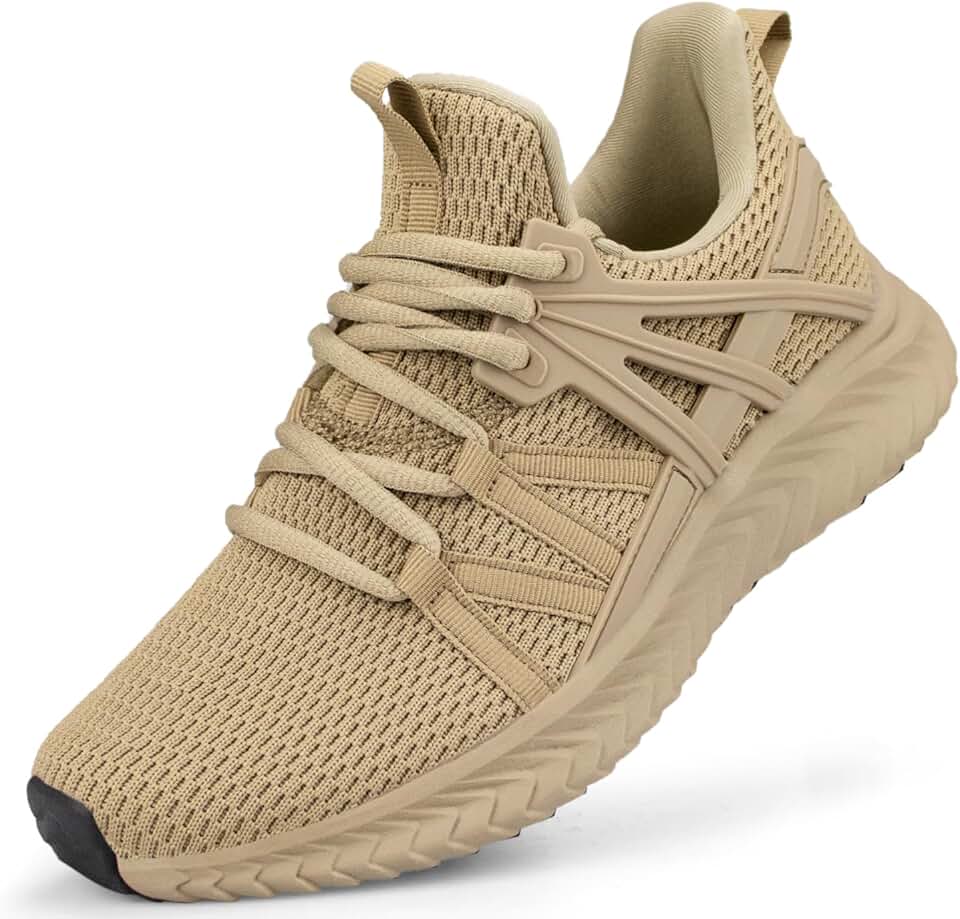


As an Amazon Associate, we may earn from qualifying purchases.
Plan your Savannah itinerary
A flexible framework helps you balance the historic district’s cobblestone streets with the nearby beaches without burning out. Start by anchoring your days around the two main geographic zones: the walkable Historic District and the coastal barrier islands.
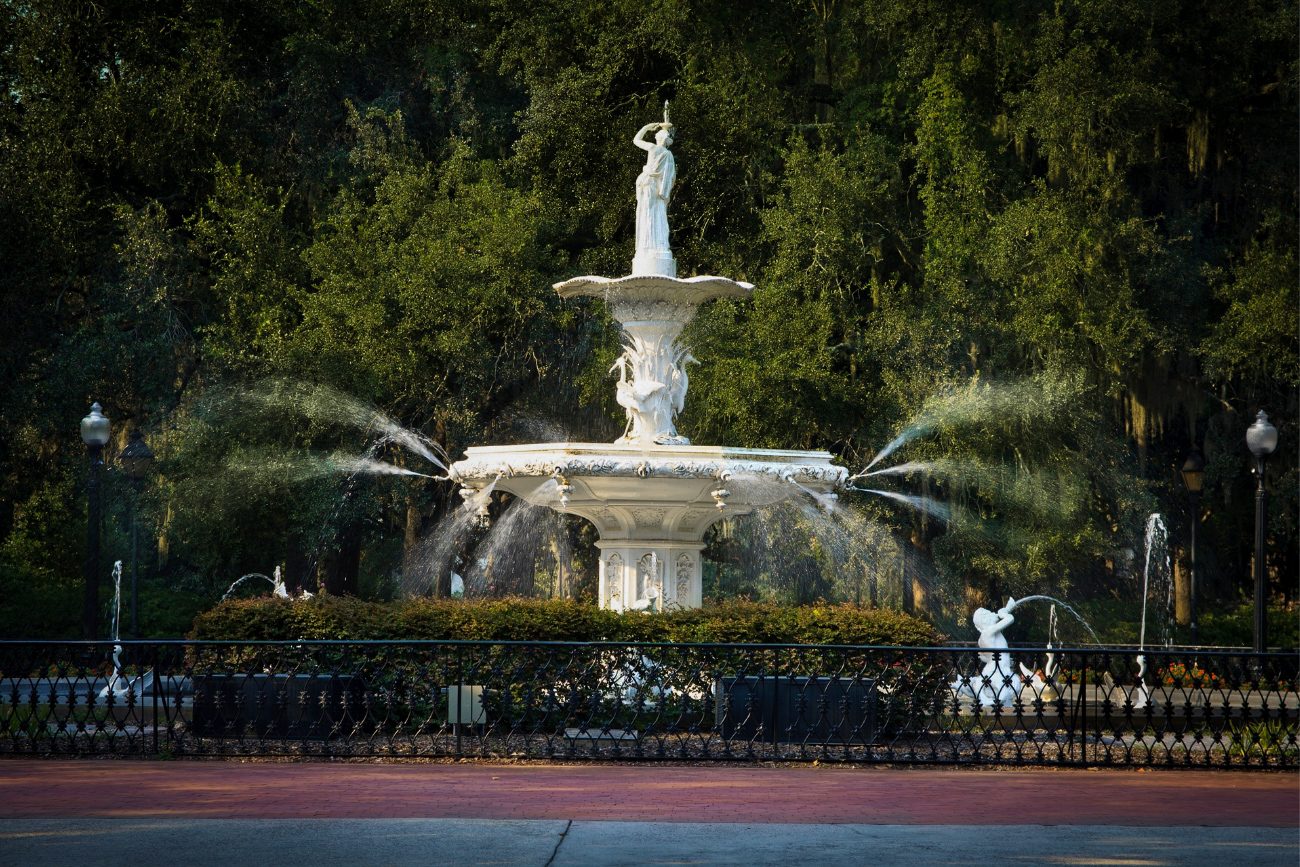
Divide your trip into distinct zones. Spend your first two days exploring the squares, cathedrals, and museums within the Historic District. Reserve your final days for Tybee Island or Fort Pulaski to break up the urban density.
Savannah’s dining scene is competitive. Reserve tables at popular spots like The Olde Pink House or The Grey at least two weeks in advance. This is especially critical if you are visiting during the fall festival season or spring brunch weekends.
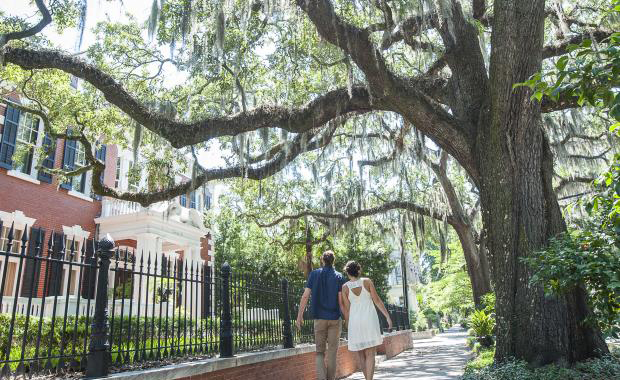
Bring breathable layers and sturdy, flat shoes. The historic district is best explored on foot, and the uneven cobblestones make high heels or thin soles painful. Pack a lightweight rain jacket, as afternoon thunderstorms are common in the summer months.
Use this structure to build confidence in your daily plans, ensuring you see the best of Savannah without feeling rushed.
Frequently asked: what to check next
What is the best time of year to visit the Historic District?
Savannah’s weather shifts significantly with the seasons, making timing a critical part of your trip plan. Spring (March to May) and fall (September to November) offer mild temperatures ideal for walking the cobblestone streets and squares. Summer brings high humidity and frequent afternoon thunderstorms, while winter remains relatively mild but can be chilly for evening dining outdoors. Check the local forecast for Savannah before booking flights to ensure you pack appropriately for the expected conditions.
Is the Historic District walkable and safe for tourists?
The Historic District is compact and highly walkable, with most major attractions, hotels, and restaurants within a 10-15 minute walk of each other. Savannah is generally safe for tourists, but standard precautions apply. Stick to well-lit main streets like Broughton Street and Forsyth Park after dark, and avoid wandering into poorly lit side streets or the waterfront area late at night. The city has a visible police presence in the tourist zones, which adds to the sense of security for visitors.
How many days should I spend exploring Savannah’s beaches and historic sites?
A three-day itinerary is typically sufficient to cover the Historic District’s major landmarks, such as Forsyth Park and the River Street wharves, without feeling rushed. If you plan to include beach trips to Tybee Island or Hilton Head, add one or two extra days to your schedule. Tybee Island is only about 20 minutes from the Historic District, making it an easy half-day excursion for most travelers.
Do I need a car to get around Savannah?
You do not need a car if your stay is confined to the Historic District and nearby areas like Midtown. The district is pedestrian-friendly, and ride-sharing services like Uber and Lyft are readily available. However, if you plan to explore the broader Savannah area, including Tybee Island or nearby plantations, renting a car offers greater flexibility. Parking in the Historic District can be challenging and expensive, so consider using hotel valet or public garages if you drive.
What should I wear for a Savannah evening out?
Savannah’s dining scene ranges from casual beachside eateries to upscale historic hotels. For most restaurants in the Historic District, "smart casual" is the standard attire. Light fabrics like linen or cotton are recommended due to the humidity. Avoid overly formal wear unless you are dining at a high-end establishment, as Savannah maintains a relaxed Southern atmosphere. Comfortable walking shoes are essential for exploring the cobblestone streets and park squares.
No comments yet. Be the first to share your thoughts!