


Plan the route
Savannah is a compact city, but the layout of its historic squares can be disorienting if you try to see everything at once. The most efficient way to plan your Savannah trip is to divide the city into geographic clusters, moving from the riverfront toward the deeper residential squares and eventually out to the coast.
Because the city is highly walkable, you can avoid the stress of parking by centering your daily activities around a single neighborhood. Use the riverfront as your anchor for dining and shopping, then dedicate specific days to the northern and southern halves of the Historic District to minimize backtracking. For those staying in hotels near Bay Street, prioritize a "radial" approach: start at the center and expand outward each day to avoid repeating the same blocks.
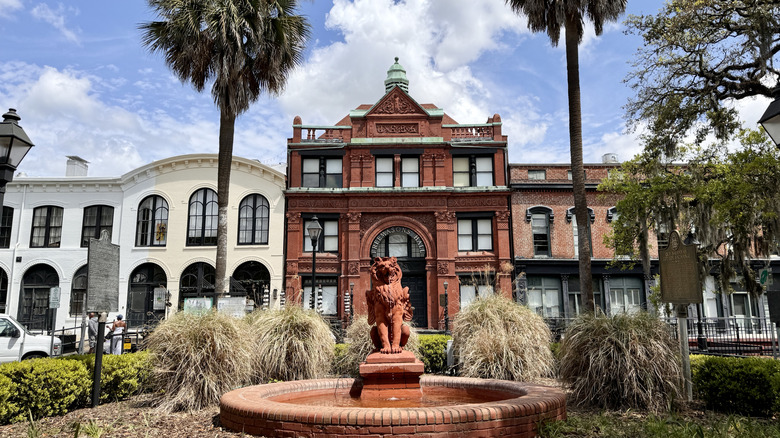
Spend your first day at River Street and City Market. This area is the most crowded, so tackle it early to get your bearings and enjoy the waterfront views before heading inland. Be mindful that the cobblestones on River Street are uneven and can be slippery when wet; wear sturdy footwear.
Focus on the core of the Historic District. Walk from Bull Street through the surrounding squares to see the city's most iconic architecture and monuments. This area contains the highest density of SCAD (Savannah College of Art and Design) buildings, which offer a mix of modern art and historic preservation. Focus on the stretch between Wright Square and Madison Square for the best architectural density.
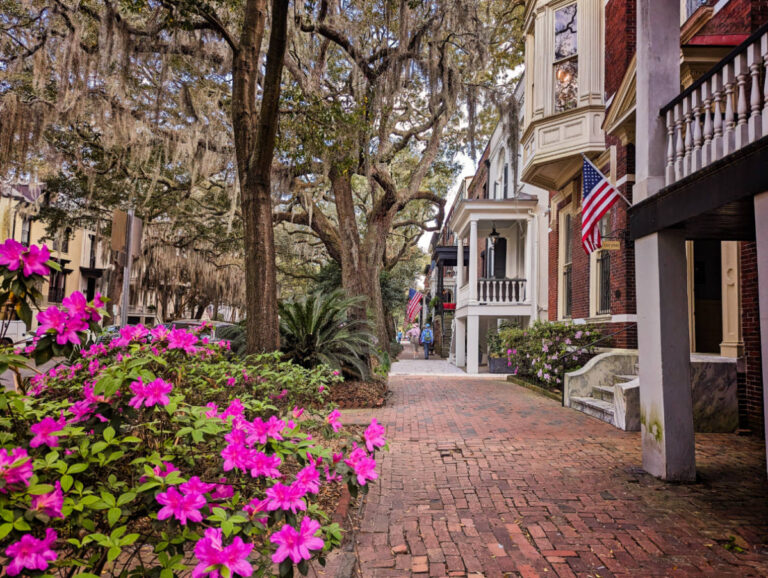
Head toward Jones Street and the northern squares. This area is quieter and better suited for leisurely strolls and photography of the historic mansions. Jones Street is frequently cited as one of the most beautiful streets in America due to its canopy of live oaks and consistent architectural style. This section is ideal for those wanting to escape the commercial noise of the riverfront.
Dedicate the final portion of your trip to Tybee Island. Since it is a drive from the city center, group your beach activities and lighthouse visits into one full-day excursion. To avoid the midday rush, aim to arrive at the island by 9:00 AM, as parking lots near the pier fill rapidly by 11:00 AM.
Stops worth prioritizing
Planning a Savannah trip requires balancing the crowded tourist hubs with the quiet, moss-draped residential streets. For first-time visitors, the priority should be the historic district's square system, which acts as the city's living room. If you only have a few days, focus on the riverfront and the central squares rather than venturing too far into the suburbs.
| Location | Atmosphere | Priority Level |
|---|---|---|
| River Street | Bustling, commercial, cobblestones | High |
| Forsyth Park | Scenic, relaxed, iconic | High |
| Tybee Island | Beachy, remote, casual | Medium |
| Bonaventure Cemetery | Somber, artistic, quiet | Medium |
While the riverfront is the most visited area, the real character of the city is found in the squares. Walking from one square to the next reveals a chronological progression of the city's growth. Use the riverfront for shopping and dining, but use the squares for the actual sightseeing. To maximize your time, prioritize the "Oglethorpe Plan" squares—the original 24 squares designed by James Oglethorpe—which provide the most authentic historical experience.
Must-see stops vs. optional detours
-
Forsyth Park
The quintessential Savannah stop featuring the famous fountain and sweeping oak canopies. Visit early morning to avoid the crowds and capture the best light for photography. -
The Historic District Squares
A network of 22 squares; prioritize Monterey and Madison for the best greenery and residential charm. These are less congested than the riverfront and offer a truer sense of the city's scale. -
River Street
Essential for the cobblestone experience and waterfront views, though heavily commercial. Visit the candy shops for traditional pralines, but avoid dining here during peak lunch hours to avoid long wait times. -
Tybee Island
An optional detour for those wanting a beach day, located about 20 minutes east of downtown. Visit the lighthouse for panoramic views and the marine science center for local ecology. -
Bonaventure Cemetery
A beautiful but optional stop for those interested in Gothic landscapes and funerary art. Note that guided tours are often required for certain sections, and the cemetery is located several miles from the downtown core.
Timing and logistics
Most first-time visitors find that a week is the ideal window to cover the historic district and the coast without rushing. If you are visiting during the spring (March to May), expect heavy crowds due to the azalea bloom; during these peaks, dining reservations for popular spots should be made at least two to four weeks in advance. Summer visits require a different strategy: plan outdoor activities for before 11:00 AM and after 5:00 PM to avoid the extreme Georgia humidity and heat index, which often pushes the "feels like" temperature above 100°F.
Parking in the historic district is a common friction point. While many hotels offer valet, the most cost-effective approach is using the city's public parking garages, such as those on Bryan Street. Once you are parked, the city is essentially a pedestrian playground. Most attractions are within walking distance, though the Dot—Savannah's free shuttle service—is a reliable way to bridge the gap between the riverfront and the deeper squares. Be aware that the Dot operates on a fixed loop; during peak tourist season, wait times can increase by 15–20 minutes.
For those planning to visit Tybee Island, leave the city center early. The drive can take 20 to 30 minutes, but parking at the beach fills up quickly by mid-morning. If you prefer not to drive, ride-share services are plentiful, though they can become expensive during major events like the SCAD festivals.
Consider the cost tradeoff: a rental car provides flexibility for Bonaventure Cemetery and Tybee, but adds the daily burden of finding parking in the downtown core, where street parking is strictly timed and enforced. For a 7-day trip, the most efficient setup is often a combination of walking downtown and using a ride-share for the two outlying excursions to the coast and the cemetery.
No comments yet. Be the first to share your thoughts!