

Start with Forsyth Park
Forsyth Park anchors the city’s historic district, offering a 30-acre green space that serves as the central hub for visitors. Located just west of the historic district’s core, the park provides a quiet retreat from the bustling streets of River Street and Bull Street.
The iconic fountain stands at the heart of the park, surrounded by sprawling lawns and Spanish moss-draped live oaks. This is the ideal spot to rest, read, or people-watch while soaking in Savannah’s distinct atmosphere.
For the best experience, visit in the late afternoon when the light softens and the temperature drops. The surrounding neighborhoods offer easy access to some of the city’s best dining and shopping, making Forsyth Park a perfect starting point for your itinerary.
10 Best Things to Do, Eat, and See
Savannah’s historic district offers a dense concentration of walkable attractions. This guide curates ten distinct experiences that balance iconic sightseeing with local culinary highlights and nearby coastal escapes.
1. Walk Through Forsyth Park
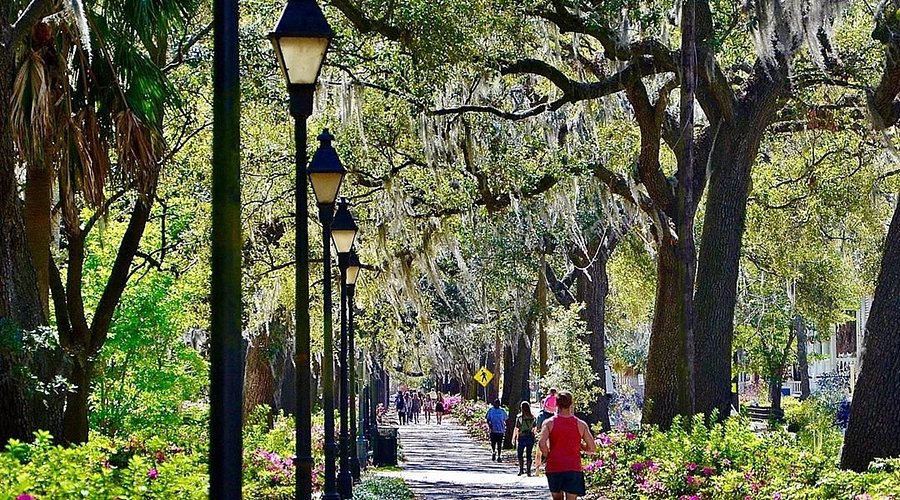
This 30-acre green heart anchors downtown Savannah, dominated by a stunning Victorian iron fountain. Stroll the shaded oak-lined paths or relax on the benches facing the bandstand. It is the perfect starting point for a walking tour, offering open space amidst the historic architecture and frequent local events.
2. Tour the Historic District
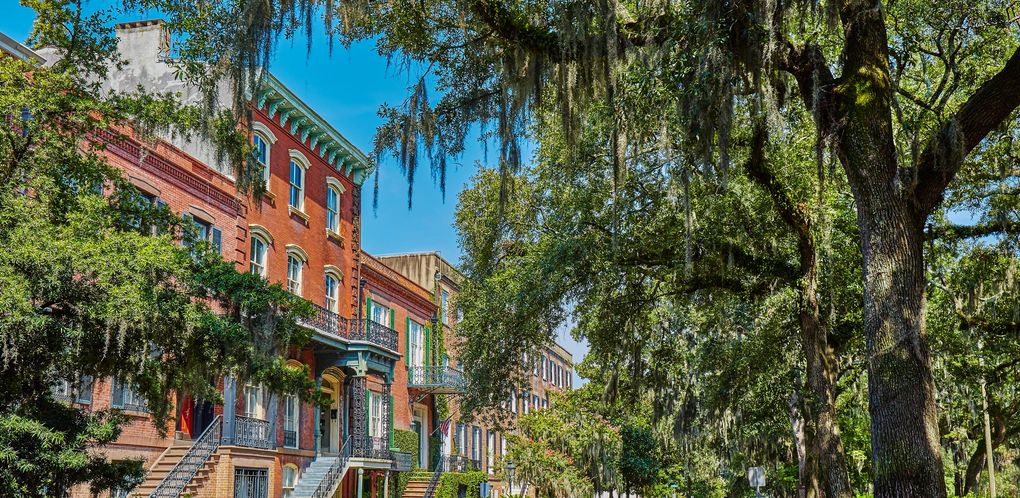
Savannah’s grid layout features 22 unique squares, each with distinct history and landscaping. Wander through City Market for local crafts or explore the cobblestone streets near River Street. The district offers a dense concentration of antebellum architecture, boutique shops, and vibrant street life, best explored on foot.
3. Visit Wormsloe Historic Site
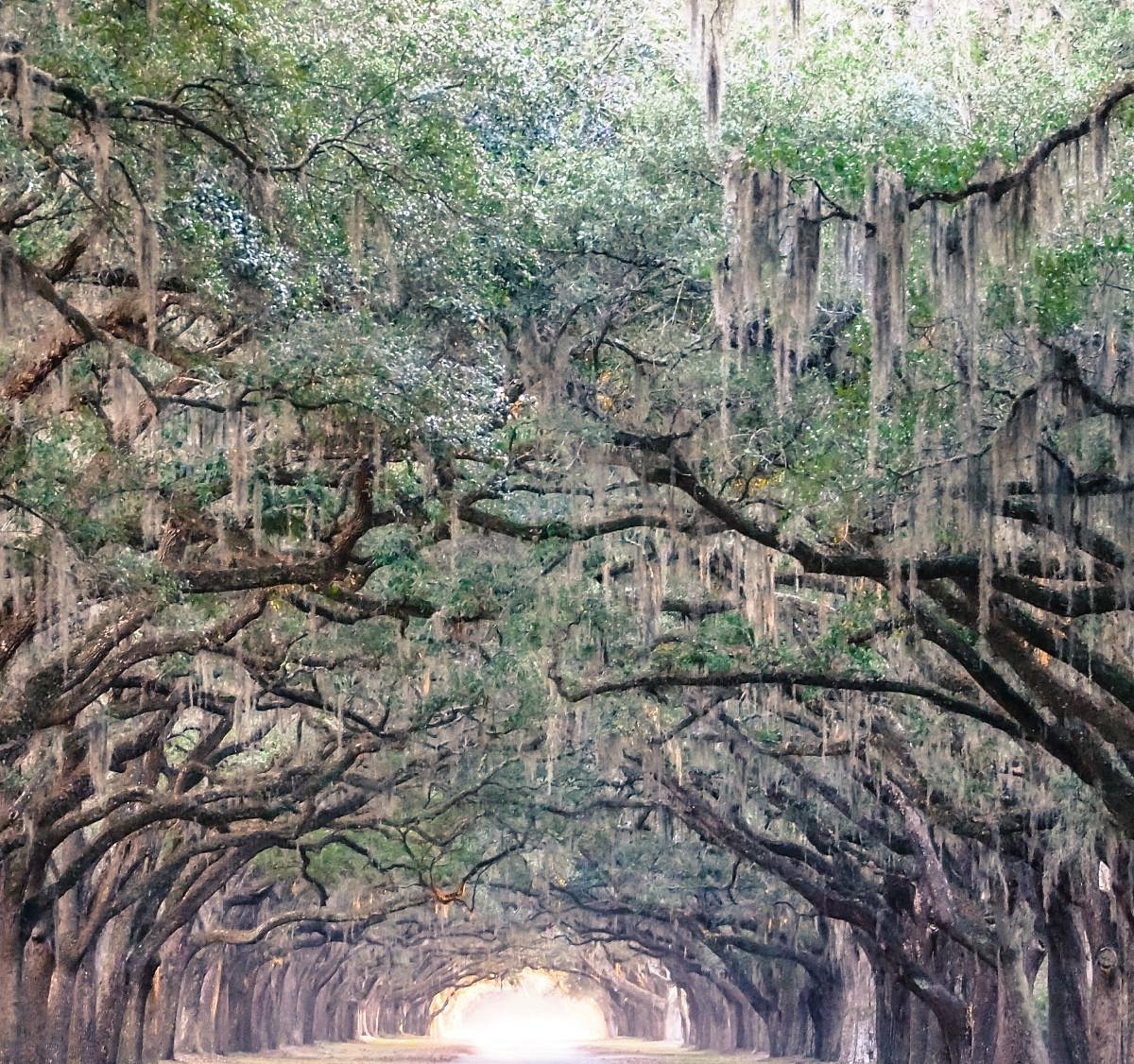
Located just south of downtown, Wormsloe features a majestic two-mile avenue of live oaks draped in Spanish moss. This colonial plantation site offers guided tours of the ruins and a museum detailing the area’s colonial past. The atmospheric drive and serene grounds provide a quiet contrast to the bustling city center.
4. Explore Bonaventure Cemetery
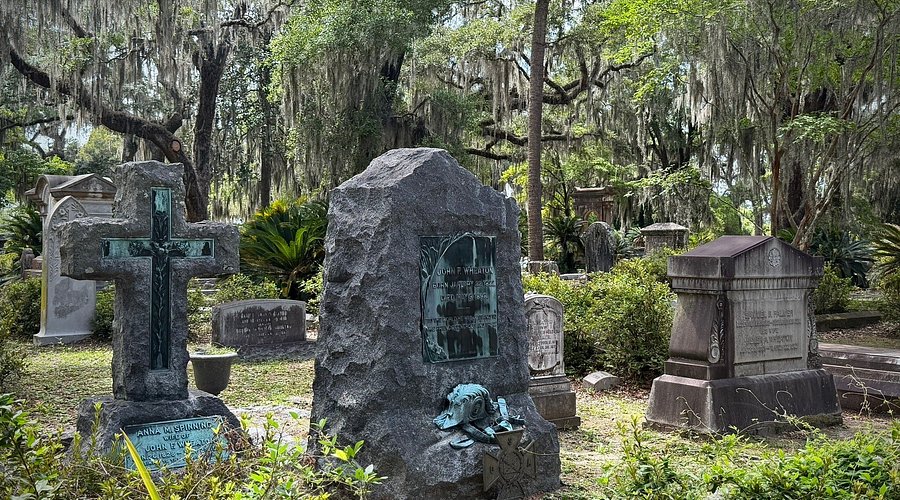
Often cited as one of America’s most beautiful cemeteries, Bonaventure is an open-air art gallery of moss-draped oaks and intricate mausoleums. Home to poet Conrad Aiken and Civil War soldiers, it offers a poignant, serene experience. Visitors should respect the quiet atmosphere while exploring the labyrinthine paths and historic graves.
5. Dine at Green Truck Pub
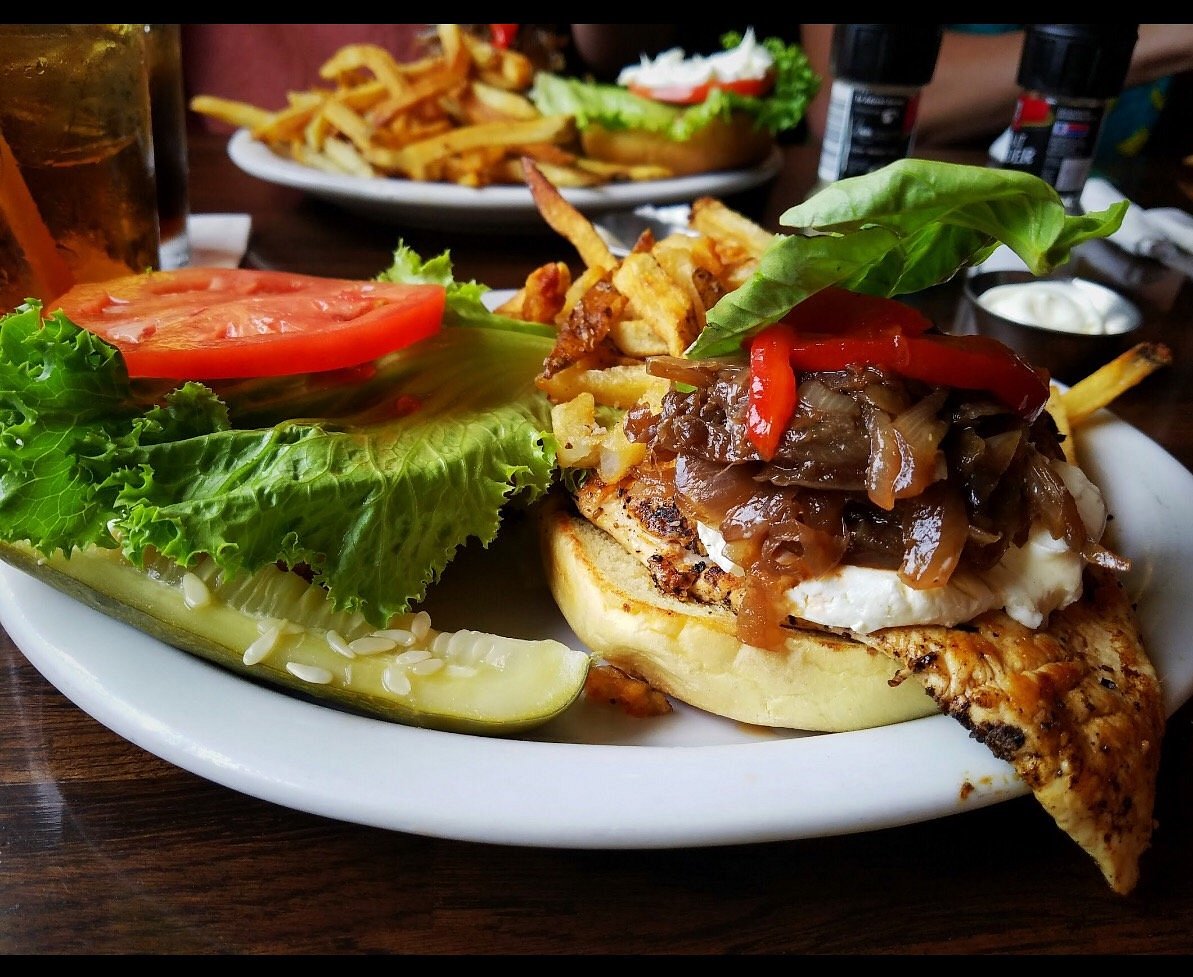
Located in the historic Victorian district, Green Truck Pub focuses on farm-to-table cuisine with a rotating menu based on local ingredients. The cozy atmosphere features exposed brick and a curated wine list. It is an ideal spot for lunch or dinner, offering a taste of Savannah’s modern culinary scene.
6. Dine at The Collins Quarter
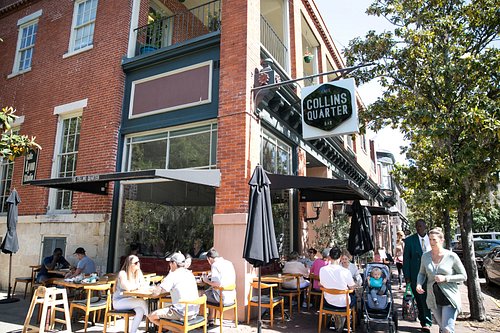
Located in a restored 1920s bank building, The Collins Quarter offers modern Australian-inspired cuisine with a focus on fresh, local ingredients. The airy, high-ceilinged dining room creates a sophisticated yet relaxed atmosphere perfect for dinner. Try the wood-fired meats or the seasonal vegetable dishes, which highlight the region's agricultural bounty. Reservations are highly recommended for weekend evenings due to its popularity among locals and tourists alike.
7. Take a Ghost Tour
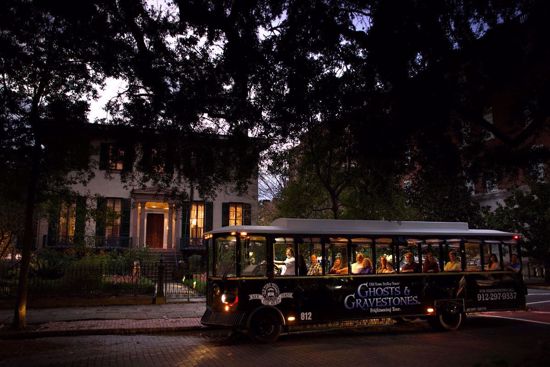
Savannah’s reputation as America’s most haunted city is best experienced through a guided night walk. Companies like Ghosts and Gravestones lead small groups through shadowy squares and historic homes, sharing chilling tales of Civil War soldiers and tragic romances. These tours typically last two hours and cover key locations like the Mercer-Williams House. Dress warmly, as evening breezes off the river can be brisk, and wear comfortable shoes for cobblestone streets.
8. Take a Trolley Tour
The Old Town Trolley provides a convenient hop-on, hop-off way to see Savannah’s major attractions without the stress of parking. The air-conditioned vehicles stop at key sites like Forsyth Park, River Street, and the Historic District’s most iconic squares. Tickets are valid for one or two days, allowing flexible exploration. This self-guided option is ideal for first-time visitors who want a comprehensive overview of the city’s layout and history before diving deeper into specific neighborhoods.
9. Shop on Broughton Street
Broughton Street is Savannah’s premier shopping destination, stretching from Bay Street to Bull Street. It features a mix of national chains, unique boutiques, and art galleries. The tree-lined street is pedestrian-friendly, with plenty of benches to rest. Explore the side streets like Habersham and Whitaker for hidden gems. This area is perfect for finding souvenirs, local crafts, and fashion items that reflect the city’s Southern charm and modern style.
10. Relax at Tybee Island Beach
Just 18 minutes from downtown Savannah, Tybee Island offers a laid-back beach experience with wide sands and gentle waves. The public access points near the pier are ideal for swimming, sunbathing, and watching sunsets. The island has a quirky, artistic vibe with local cafes and souvenir shops. It’s a perfect spot for a half-day escape from the city heat. Bring your own chairs and umbrellas, as rentals can be pricey during peak summer season.
Walk the Historic District Squares
Savannah’s layout is a deliberate urban design from 1733, created by James Oglethorpe as a grid of residential "tything" blocks separated by public squares. This plan results in 22 distinct park squares spread across the Historic District, each serving as a green lung for the city and a focal point for local life. Unlike generic city parks, these squares are woven directly into the street grid, making them accessible from multiple directions and ideal for short, restorative walks.
The squares vary in size and history. Johnson Square, the largest, features a prominent statue of General Edward J. Lloyd and is surrounded by historic mansions. Chippewa Square is famous for its moss-draped live oaks and the bench from the movie Forrest Gump. Other squares, like Madison Square, host the Saturday market and feature the distinctive octagonal ironwork fence.
Walking between squares often reveals hidden courtyards, restored 18th-century homes, and boutique shops tucked behind wrought-iron gates. The paths are shaded by camphor and oak trees, which provide relief from the heat in summer. For the best experience, visit early in the morning or late in the afternoon when the light is softer and the crowds are thinner. The squares are open to the public 24/7, but some have restricted hours for specific monuments or gardens.
Tour Wormsloe Historic Site
Just south of Savannah’s downtown core, Wormsloe Historic State Park offers a dramatic contrast to the city’s urban grid. The site is best known for its two-mile avenue of live oaks, draped in Spanish moss, which creates a natural cathedral leading to the ruins of a colonial plantation. This road is one of the most photographed spots in the region, providing a serene entry point before or after exploring the historic district.
The park preserves the history of Noble Jones, who established the settlement in 1734. Visitors can explore the remnants of the Jones Family House and the original moat, offering a tangible connection to Georgia’s early colonial era. The grounds are well-maintained and flat, making them accessible for walking tours that explain the agricultural and social history of the area.
Practical details matter here. The park is open daily from 8:00 AM to sunset, with admission fees applying for both vehicles and pedestrians. It is an ideal stop for those seeking a quiet moment in nature without leaving the city limits. Arriving early helps avoid crowds and provides the best lighting for photography along the oak-lined path.
Explore River Street Docks
River Street marks Savannah’s transition from a quiet coastal village to a bustling 19th-century port. The area’s cobblestone streets and brick warehouses once housed rice, cotton, and turpentine mills. Today, those historic structures house shops and eateries, preserving the industrial character of the waterfront.
The docks offer a mix of casual dining and upscale waterfront restaurants. You can grab a quick lunch at a counter-service spot or book a table for a sunset dinner overlooking the Savannah River. The path is wide and paved, making it accessible for strollers and wheelchairs, though the cobblestones can be uneven in spots.
| Feature | Description |
|---|---|
| Atmosphere | Historic warehouses with industrial charm |
| Dining | Range from casual bars to fine dining |
| Accessibility | Paved paths; cobblestones may be tricky |
| Best Time | Late afternoon for cooler temperatures |
Start your walk at the eastern end near the Savannah History Museum and move west toward the riverboat pier. This direction ensures you have the sun at your back and the best views of the river traffic. Keep an eye out for the old cotton warehouses, which now serve as galleries and boutique shops.
Visit Bonaventure Cemetery
Bonaventure Cemetery sits just off Interstate 16, offering a quiet escape into Savannah’s gothic charm. Established in 1856, this resting place is famous for its towering live oaks draped in Spanish moss, creating a cathedral-like canopy that filters the sunlight. It is less a graveyard and more an open-air museum of art and nature.
The grounds are free to enter and open daily from 7:30 am to sunset. Most visitors spend about an hour wandering the winding paths, looking for the intricate ironwork and weathered headstones. Notable sites include the "Savannah" monument, a stone shipwreck, and the grave of Truman Capote, which draws literary fans.
Bring sturdy shoes for the uneven paths and keep your voice low to respect the solemn atmosphere. The best light for photography is early morning or late afternoon, when the moss glows against the gray stone.
Relax on Tybee Island Beaches
Tybee Island sits just 18 miles east of downtown Savannah, reachable via the historic Tybee Bridge. The drive takes about 25 minutes, making it a practical escape from the city’s heat and humidity without requiring a long commute. This barrier island offers a distinct shift in pace: where Savannah is historic and structured, Tybee is casual and unpretentious.
Start at the Tybee Island Pier, which extends 900 feet into the Atlantic. It is the perfect spot for morning walks or evening sunsets, offering unobstructed views of the water. From the pier, you can see the Tybee Island Lighthouse, built in 1773, standing guard near the beach entrance. The lighthouse offers tours, but simply viewing it from the shore is often enough to appreciate its historic presence.
The beaches themselves are wide and sandy, though the water can be cooler and choppier than southern beaches due to the open Atlantic exposure. Lifeguards are on duty during peak summer months, so stick to marked swimming areas. For a quieter experience, walk north from the pier toward the northern end of the beach, where crowds thin out and the vibe becomes more residential.
Pack a picnic and head to Fort Pulaski National Monument, located just south of the island. While technically a separate stop, it is often combined with a beach day. The fort’s massive brick walls and surrounding marshlands provide a stark, educational contrast to the beach’s leisure atmosphere. It is a National Park Service site, so check entry fees and opening hours before you go.
Plan your Savannah itinerary
Savannah’s walkable historic district is best enjoyed with a loose structure. The city’s grid of squares and parks invites slow exploration, but coordinating dining reservations and transit passes requires a bit of foresight. This section covers the essential logistics to ensure your visit runs smoothly, from packing for the humid climate to booking the city’s signature trolley tours.
-
Book dinner reservations for 2-3 nights
-
Purchase trolley day pass if walking extensively
-
Pack breathable clothing and rain gear
-
Download offline maps for the Historic District
-
Confirm ferry schedule to Tybee Beach
No comments yet. Be the first to share your thoughts!