
Start in the historic district
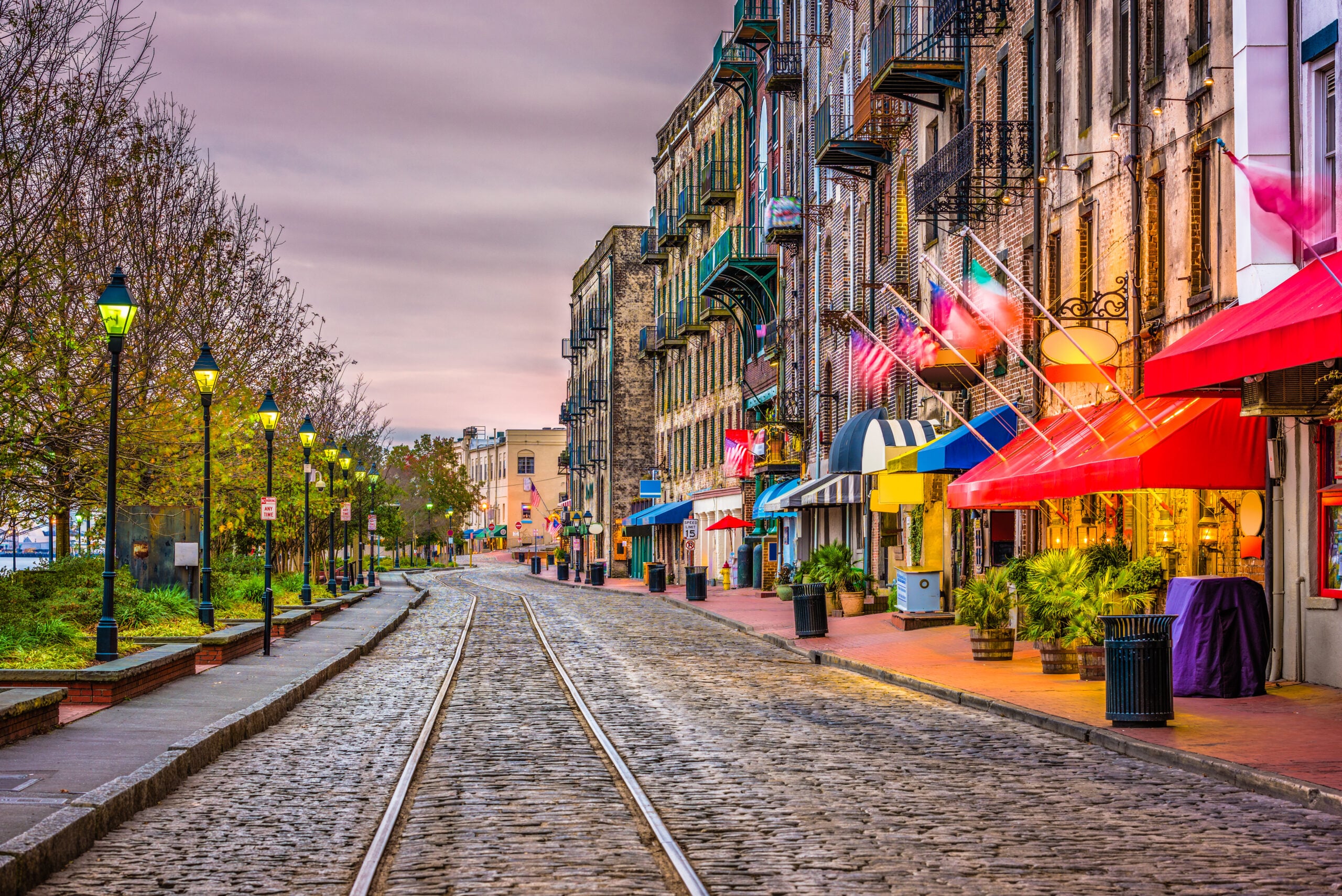
Savannah’s historic district is compact, walkable, and dense with history, but it requires strategic planning to navigate comfortably. Focus on the city’s grid layout and the 22 public squares that serve as natural rest stops and navigational anchors. Prioritize early morning or late afternoon walks to avoid the midday heat and humidity, which can be oppressive in the shaded, narrow streets.
Top things to do in Savannah
Savannah’s charm lies in its grid of 22 public squares, each acting as a green lung for the surrounding historic district. The best way to experience the city is on foot, moving between these shaded oases while taking in the distinct architectural styles that define each neighborhood.
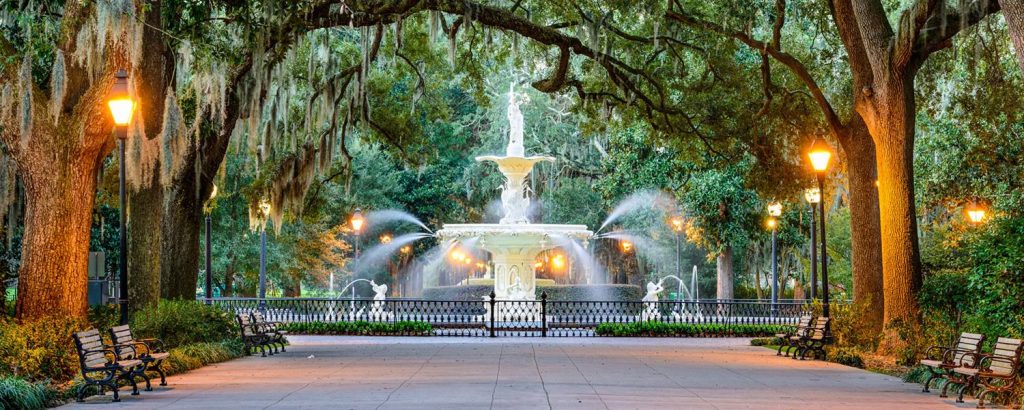
Start at Forsyth Park, the city’s largest and most iconic green space. The 10-acre park is anchored by a Victorian iron fountain and offers a respite from the humidity. It’s the perfect spot to watch locals play bocce ball or simply rest your legs. From here, you can easily walk to the nearby Forsyth Bank Homes, a row of pristine Victorian houses that showcase the city’s 19th-century wealth.
From the park, head north to Whitaker Street and the adjacent squares. This area is home to the Cathedral of St. John the Baptist, a Gothic Revival masterpiece that rivals European cathedrals in its stone detailing. Just a short walk away, you’ll find the Owens-Thomas House, a rare example of Regency architecture in the South. These sites provide a tangible connection to the city’s colonial and antebellum past.
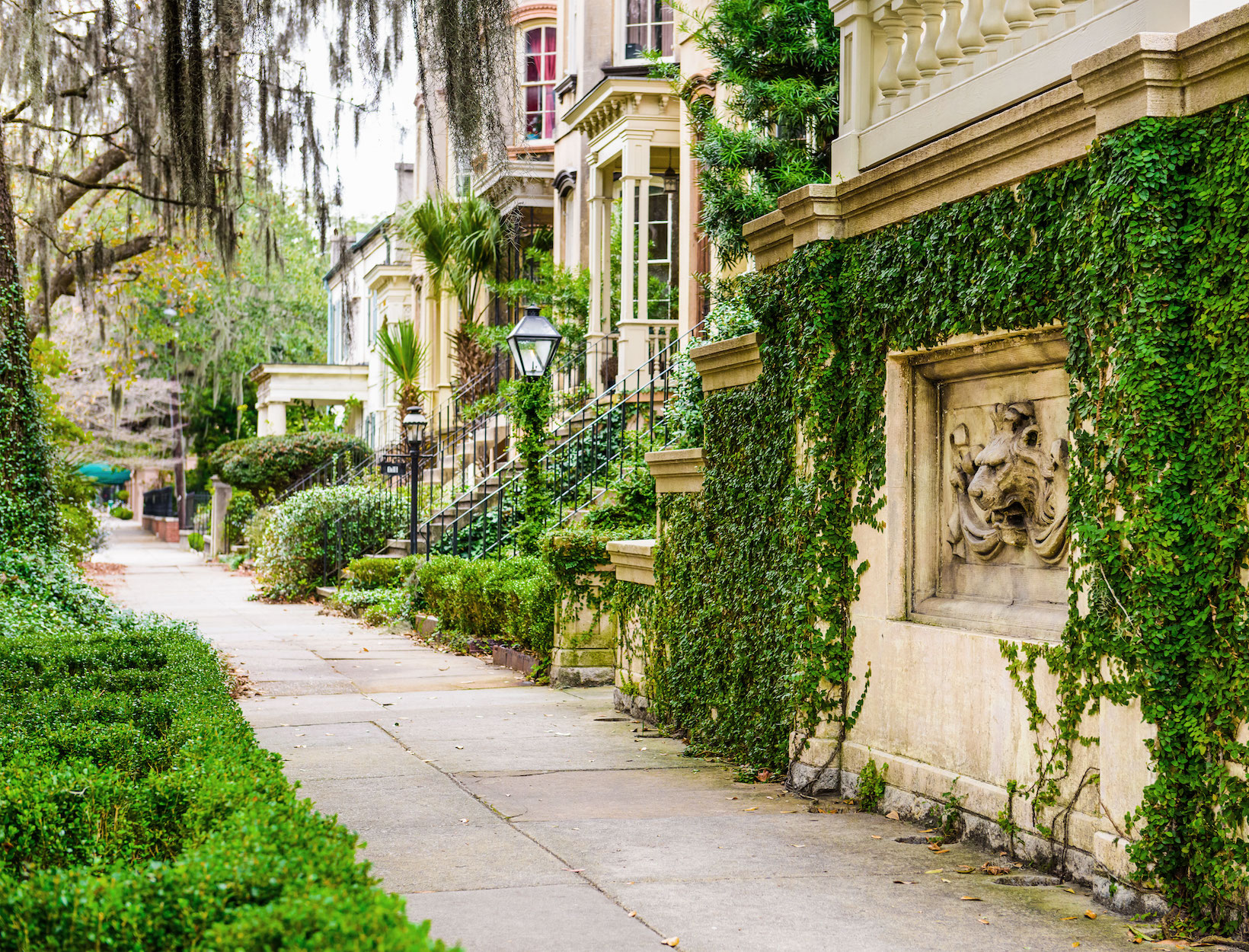
For a more intimate look at Savannah’s residential history, stroll down Jones Street. Often cited as one of the most photographed streets in America, it features moss-draped oak trees and Federal-style homes. The street is narrow and quiet, offering a stark contrast to the bustling River Street nearby. It’s a perfect example of the "Hostess City" aesthetic: elegant, preserved, and inviting.
Best Savannah restaurants and eats
Savannah’s food scene balances historic Southern tradition with a growing modern edge. You will find everything from low-country staples like shrimp and grits to refined French-influenced dishes in the historic district. The city’s culinary identity is anchored by local ingredients: fresh seafood from the coast, peaches from Georgia orchards, and sweet tea that is poured freely.
To plan around the options efficiently, here is a comparison of top spots based on price, cuisine style, and how easy it is to get a table.
| Restaurant | Cuisine | Price | Reservation Difficulty |
|---|---|---|---|
| The Collins Quarter | Australian/Modern | $$$ | Hard |
| Mrs. Wilks Dining Room | Southern Family Style | $$ | Hard |
| The Grey | New Southern | $$$ | Moderate |
| Husk Savannah | Southern | $$$ | Moderate |
| Panther Coffee | Coffee/Light Eats | $ | None |
For a true local experience, head to Mrs. Wilks Dining Room on Bull Street. The service is communal; you sit at a long table with strangers and are served a five-course meal of fried chicken, macaroni and cheese, and sweet potato casserole. It is a unique social ritual that requires booking weeks in advance.
If you prefer a more relaxed atmosphere, The Collins Quarter offers a vibrant alternative. Located on West Broughton Street, this spot brings Australian-inspired brunch and dinner to the Historic District. Their avocado toast and flat whites are popular, but the dinner menu featuring wood-fired pizzas and seafood is where the crowd gathers. Reservations are essential here, especially on weekends.
Don’t leave without trying she-crab soup, a creamy bisque made with local blue crabs and roe. The Grey, housed in the former Greyhound bus terminal, serves an exceptional version that pairs well with their craft cocktails. For a quick, high-quality bite, Panther Coffee on Abercorn Street is a local favorite for breakfast and lunch, offering a respite from the historic district’s heavier meals.
Most of these restaurants are within walking distance of each other in the Historic District. Plan your dinner reservations early, as tables fill up quickly. Breakfast spots like Panther Coffee have shorter waits, but arriving before 9 a.m. is wise to avoid lines.
Day trip to Tybee Island beaches
Tybee Island sits just 18 miles east of Savannah’s Historic District, a 25-minute drive via Highway 80 East that offers a sharp contrast to the shaded, cobblestone streets of the city center. This barrier island is Savannah’s only beach, providing a quick escape to salt air and sand without requiring an overnight stay or a flight to a distant coastal resort.
The island is easily accessible by car, though parking fills quickly during peak summer weekends. The main public beach access points near the Tybee Island Lighthouse and the pier area offer the most amenities, including restrooms and rental chairs. For a quieter experience, head toward the north end of the island near the Marine Science Center, where the sand is wider and the crowds thin out significantly.
The beach itself is flat and gentle, making it ideal for wading rather than surfing, with water temperatures that remain cool even in July. Facilities are modest; expect basic concessions and boardwalk shops rather than luxury resorts. A visit here pairs well with a morning in Savannah, allowing you to explore Forsyth Park or the River Street docks before driving east for an afternoon of sun and seafood at one of the local shacks.
Planning your Savannah trip
Savannah’s charm lies in its walkability, but the heat and humidity demand strategy. The best time to visit is mid-March through May or September through November. Summer brings oppressive humidity and frequent afternoon thunderstorms, while winter is mild but can be chilly for evening strolls. Aim for 3 to 4 days to properly explore the historic district, Forsyth Park, and take a day trip to Tybee Island or the Skidaway Island state park.
Pack light, breathable linen or cotton clothing and sturdy, broken-in walking shoes. The cobblestones in areas like River Street and the squares are uneven and can be slippery when wet. Sun protection is non-negotiable; bring a wide-brimmed hat and reef-safe sunscreen, as shade is scarce in the open squares during peak hours.
- Book popular restaurants like The Collins Quarter or Husk weeks in advance.
- Pack comfortable walking shoes with good grip for cobblestones.
- Bring high-SPF sunscreen, a hat, and a reusable water bottle.
- Download offline maps; cell service can be spotty in dense square areas.
No comments yet. Be the first to share your thoughts!