

Plan the route
The Savannah Travel works best as a clear sequence: define the constraint, compare the realistic options, test the tradeoff, and choose the path with the fewest hidden costs. That order keeps the advice usable instead of decorative. After each step, pause long enough to check whether the recommendation still fits the reader's actual situation. If it depends on perfect timing, unusual access, or a best-case budget, include a simpler fallback.
Stops worth prioritizing
Savannah’s historic district is compact, but the density of attractions means you need to prioritize. Not every square or museum deserves the same block of time. The following stops form the core of a first-time itinerary, balancing iconic sights with manageable logistics.
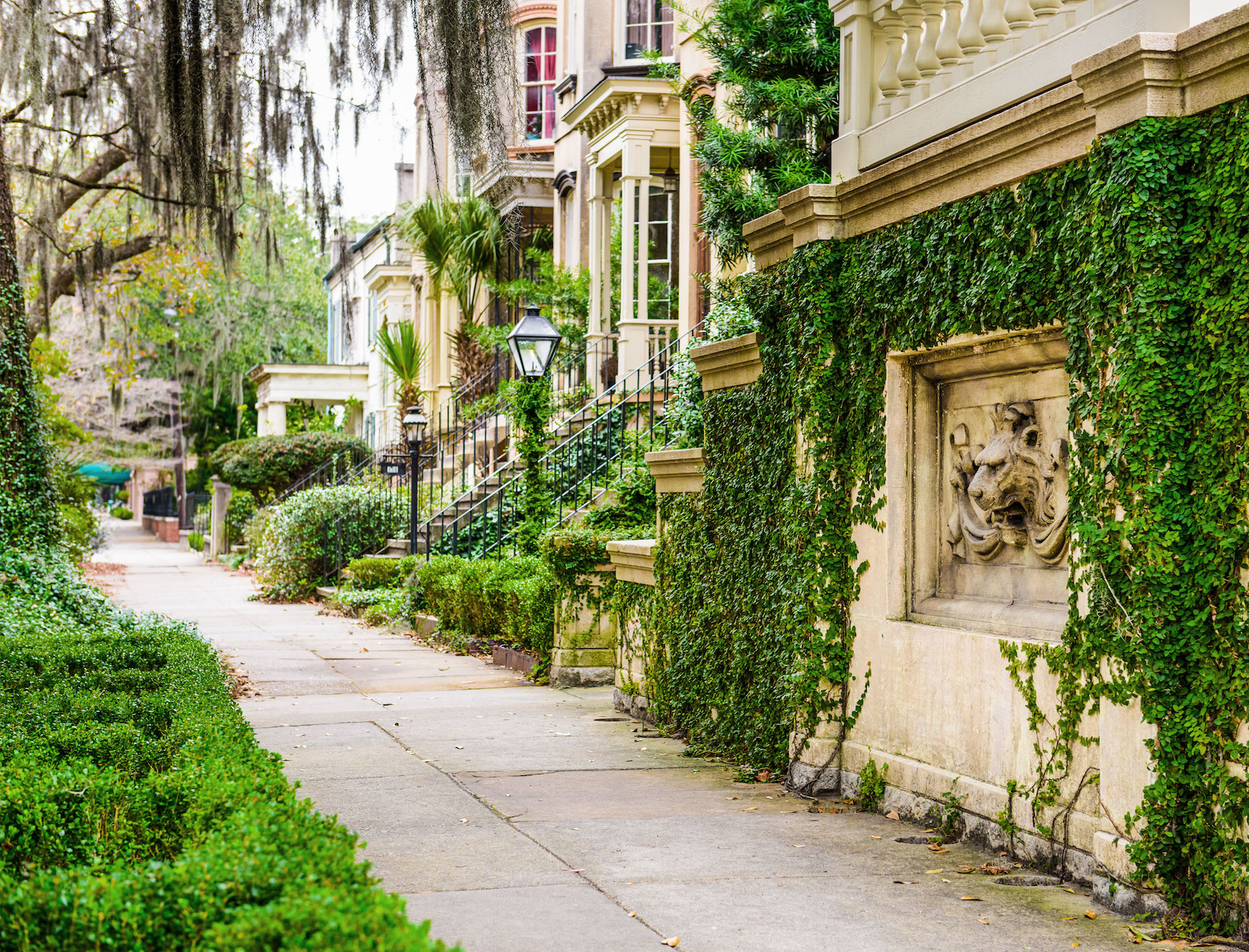
Start at Forsyth Park. It is the city’s largest and most beautiful green space, anchored by a Victorian iron fountain. The surrounding cobblestone streets offer some of the best preserved antebellum architecture in the South. Walk north to the park’s edge to see the historic homes, then return to the fountain for photos. This area is best visited in the late afternoon when the light hits the oak trees just right.
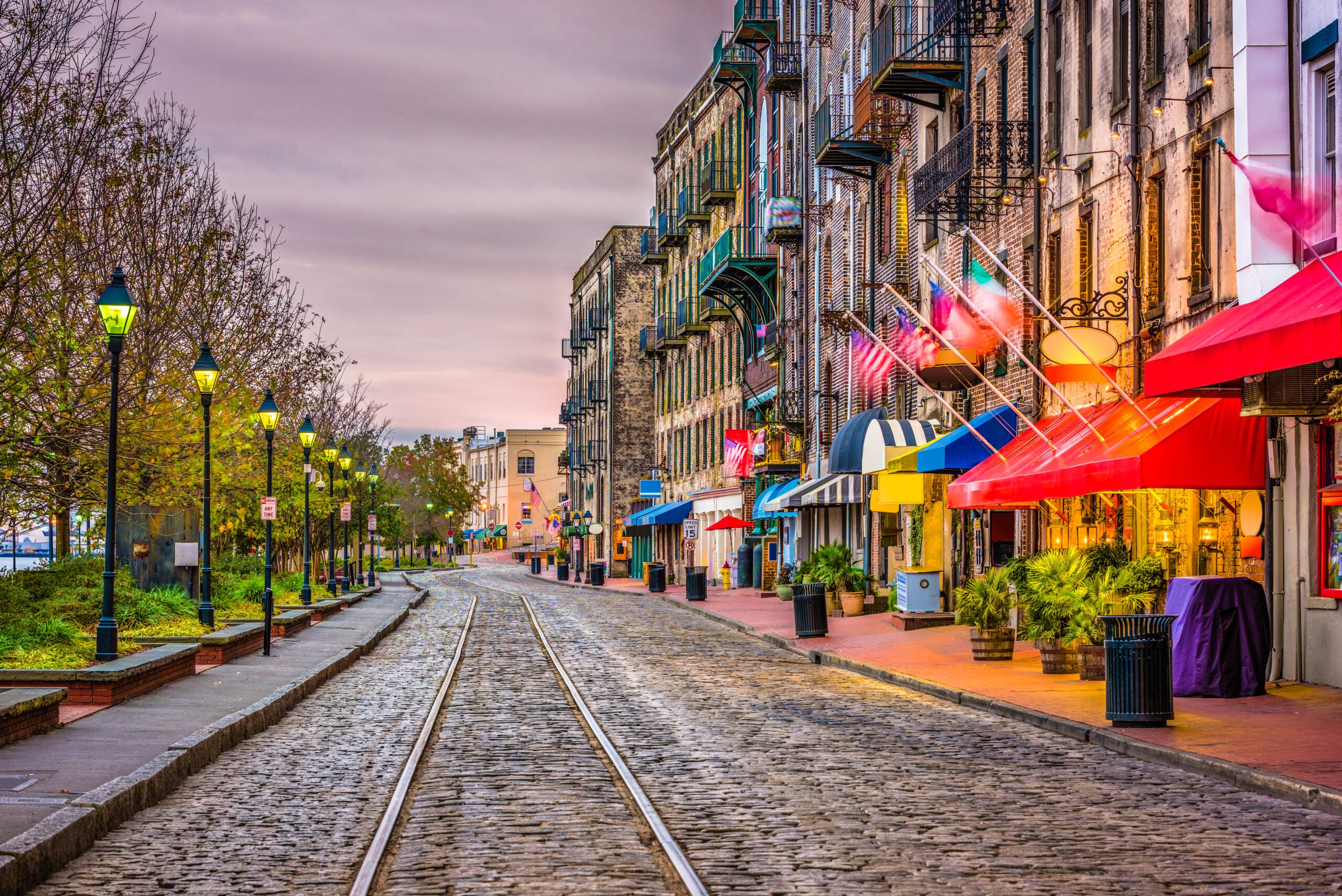
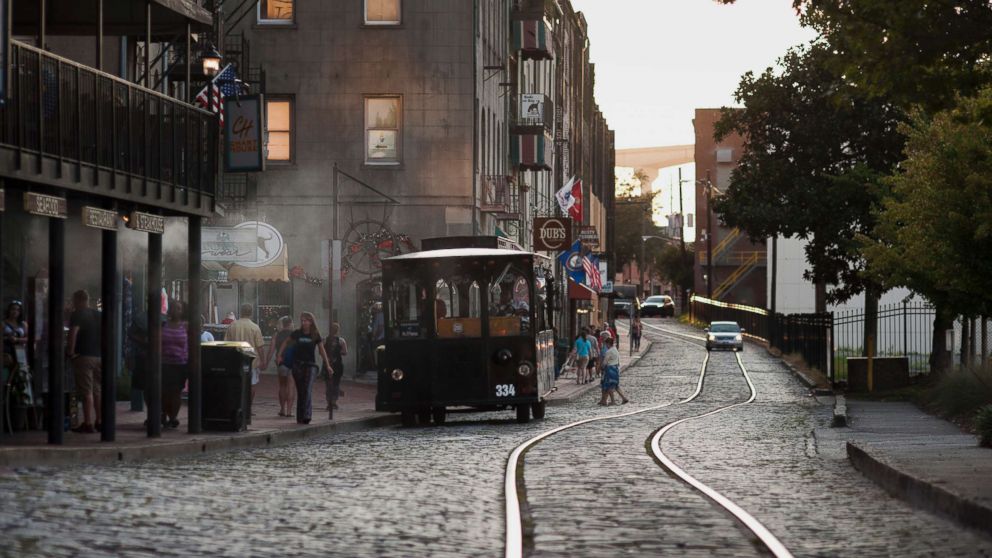
Next, head to River Street. This cobblestone wharf was once the heart of Savannah’s cotton trade. Today, it is lined with shops, restaurants, and warehouses converted into galleries. The energy here is higher than in the quiet squares, with street performers and trolley tours passing regularly. Visit early in the morning to avoid the cruise ship crowds, or late at night for a quieter walk along the Savannah River waterfront.
For a deeper dive into history, choose one historic site from the list below. Trying to see all of them will eat up your entire day. Forsyth Park and River Street are must-sees for their atmosphere and accessibility. The historic homes require more time and often have specific tour schedules.
| Site | Type | Est. Time | Cost |
|---|---|---|---|
| Forsyth Park | Outdoor Square | 1-2 hours | Free |
| River Street | Waterfront District | 1-3 hours | Free (shopping extra) |
| Wormsloe Historic Site | Plantation Ruins | 1.5 hours | $15 entry |
| Bonaventure Cemetery | Historic Cemetery | 1 hour | Free |
| City Market | Shopping/Dining | 1-2 hours | Free (shopping extra) |
Skip the optional detours unless you have extra time. Places like the Mercer-Williams House or the Telfair Museums are excellent, but they are secondary to the open-air experience of the squares and riverfront. If you are short on days, focus on the public spaces. They define the city’s charm and are free to enjoy.
Timing and logistics
Savannah’s charm lies in its walkable historic district, but navigating it requires a bit of strategy. The 22 squares are the heart of the city, and while parking is available, it is often scarce and expensive during peak hours. Street parking is plentiful on weekends and evenings, but weekday business hours can see lots fill up by mid-morning. For a smoother arrival, consider using the free City Center Market trolley, which loops through the downtown area and stops near most major attractions.
If you plan to explore beyond the historic district, renting a car is convenient, but be prepared for narrow streets and limited parking in neighborhoods like Forsyth Park or Starland District. Many visitors choose to park their car at their hotel and use rideshares or the trolley for daily excursions. This approach saves time and stress, allowing you to focus on the city’s beauty rather than circling for a spot.
Reservations are essential for popular dining spots and guided tours, especially during the spring and fall seasons. Savannah’s restaurant scene is vibrant, and tables at well-known establishments can book up weeks in advance. Similarly, trolley and bike tours often sell out on weekends. Plan your itinerary with a mix of free walking paths and paid experiences, but always have a backup plan for rain or unexpected closures. The city’s weather can change quickly, so flexible timing is key to enjoying all that Savannah has to offer.
Savannah travel: what to check next
Planning a trip to the Hostess City often comes down to timing and logistics. Savannah’s compact historic district makes it easy to navigate on foot, but the weather and crowd levels can dictate your entire itinerary. Here are the practical answers to the most common questions travelers ask before booking.
No comments yet. Be the first to share your thoughts!