

Plan your Savannah trip timing
Choosing the best time to visit Savannah means balancing three variables: weather, crowds, and local events. The city’s appeal lies in its historic squares and humid subtropical climate, which shifts dramatically between spring and fall. There is no single perfect month, but there are distinct seasons that suit different travel styles.
Spring brings the most recognizable Savannah charm. From March to May, the city is draped in wisteria and dogwood, and temperatures hover in the comfortable 60s and 70s. This is peak season for photography and walking tours, but also for higher hotel rates and crowded squares. If you prioritize mild weather and vibrant flora, aim for early spring before the summer humidity sets in.
Fall offers a similar sweet spot with slightly fewer tourists. September and October see temperatures drop from the 90s to the 70s, making outdoor dining and riverwalk strolls pleasant again. The city hosts several festivals during this window, including the Savannah Music Festival in the fall, which fills the streets with live performances. It is an ideal time for a Savannah travel guide itinerary focused on culture and comfort.
Summer and winter present trade-offs. July and August are hot and humid, with afternoon thunderstorms common. However, hotel prices often dip, and the city feels less congested. Winter, particularly January and February, is mild but can be chilly and damp, with occasional cold snaps. It is the quietest time to visit, offering a more local, slower-paced experience.
For most first-time visitors, April or October provides the best balance of good weather, manageable crowds, and full access to outdoor attractions. If you are on a budget, consider January or February, and pack layers for the cooler evenings.
Explore the historic district squares
The heart of any Savannah travel guide lies in the 22 historic squares scattered throughout the downtown grid. These green spaces were originally designed as communal gathering spots, each named after British royalty, colonial governors, or Revolutionary War heroes. Walking between them is the most authentic way to experience the city’s layered history, from antebellum architecture to modern street performers.
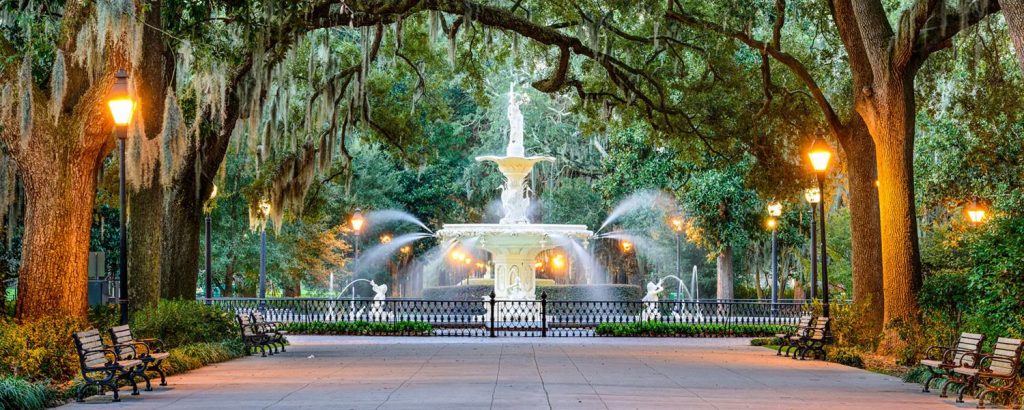
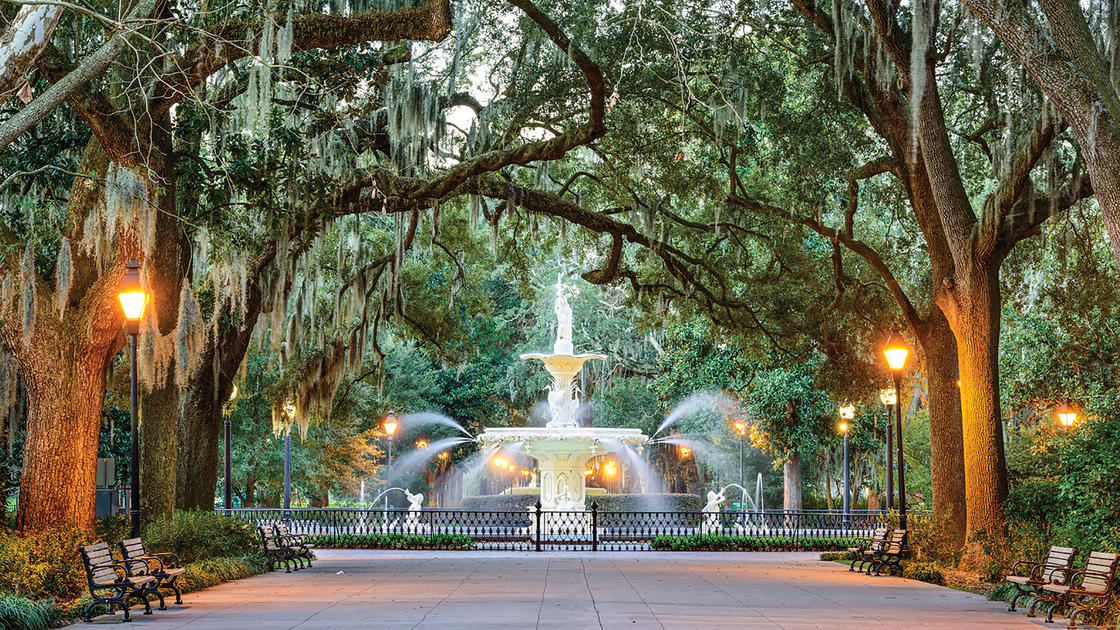
Forsyth Park stands out as the crown jewel of this network. Spanning 30 acres, it offers a respite from the urban bustle with its iconic fountain and sprawling oak canopies. It is the perfect spot for a morning jog or an afternoon picnic. For those seeking a quieter introduction, Wright Square near the riverfront provides a more intimate setting, framed by historic homes and often hosting local art exhibits.
Navigating the squares is best done on foot. The historic district is compact, but the humidity can be intense between May and September. Start early in the morning or later in the evening to avoid the peak heat. Most squares are open 24 hours, but parking is limited; consider using the nearby public garages on Abercorn Street or Drayton Street to keep your walk easy.
Visit nearby Sea Island beaches
Savannah Travel works best as a clear sequence: define the constraint, compare the realistic options, test the tradeoff, and choose the path with the fewest hidden costs. That order keeps the advice usable instead of decorative. After each step, pause long enough to check whether the recommendation still fits the reader's actual situation. If it depends on perfect timing, unusual access, or a best-case budget, include a simpler fallback.
| Factor | What to check | Why it matters |
|---|---|---|
| Fit | Match the option to the primary use case. | A good deal still fails if it does not fit the job. |
| Condition | Verify age, wear, and service history. | Hidden condition issues erase upfront savings. |
| Cost | Compare purchase price with likely upkeep. | The cheapest option is not always the lowest-cost option. |
Eat at top Savannah restaurants
Savannah’s food scene is a conversation between the past and the present, anchored by the historic squares that dot the city. The Savannah travel guide experience is defined by its ability to serve both time-honored lowcountry feasts and modern Southern cuisine with equal grace. Dining here feels less like a transaction and more like stepping into a living room where the table is always set for guests.
For a true taste of history, Mrs. Wilks’ Dining Room offers a communal table experience that has defined Savannah hospitality since 1951. Guests sit together and share family-style plates of shrimp and grits, collard greens, and fried chicken. It is an institution, but the wait is long, so arriving before they open at 10:30 a.m. is essential. This is not just a meal; it is a cultural touchstone that defines the city's approach to comfort and community.
If you prefer a more contemporary setting without sacrificing Southern soul, The Grey is a standout. Located in a former Greyhound bus depot, this restaurant by Chef Mashama Bailey celebrates the African American culinary heritage of the South. The menu changes with the seasons but always highlights local ingredients, from Gulf shrimp to Georgia peaches. The atmosphere is as striking as the food, blending industrial history with refined elegance.
For those seeking a quieter, more intimate evening, The Olde Pink House offers a romantic backdrop in an 18th-century building. The menu leans heavily on fresh seafood and classic Southern techniques, served in a setting that feels like a step back in time. Reservations are highly recommended, especially for dinner, as the ambiance draws crowds from across the Savannah travel guide circuit.
Where to stay in Savannah
Finding the right place to sleep depends on what kind of Savannah experience you want. The city is small enough that most neighborhoods are walkable, but the vibe shifts dramatically between the shaded historic squares and the modern waterfront. Use this guide to narrow down your base camp based on your budget and priorities.
Historic charm in the District
The Historic District is the heart of the city, home to Forsyth Park, the River Street cobblestones, and dozens of squares. Staying here means you can walk to almost every major attraction. You will find a mix of restored antebellum mansions turned into boutique B&Bs and larger historic hotels. Expect to pay a premium for this location, but the ambiance is unmatched. Book early, as the best rooms in historic inns disappear months in advance.
Modern luxury near the waterfront
If you prefer sleek amenities, rooftop pools, and contemporary design, look toward the North End or the Historic District’s newer developments. This area offers a more polished, resort-like feel while still being a short walk to the squares. The Savannah Hotel and other luxury properties here cater to travelers who want high-end service without the creaky floors of older historic homes. It is a great balance of convenience and comfort.
Budget-friendly and local neighborhoods
For travelers watching their spending, consider areas just outside the Historic District, such as the Midtown or East Savannah. You will find more affordable chain hotels, motels, and local rentals here. While you may need to drive or take a rideshare to the main squares, you save significantly on nightly rates and often get more space. This is ideal for longer stays or families who plan to use the city as a base for exploring the wider coastal region.
Booking tips for your stay
Savannah is a year-round destination, but peak seasons (spring and fall) require early planning. Whether you choose a historic B&B or a modern hotel, always check for parking fees if you are driving. Many historic hotels have limited spaces or charge daily rates. If you are staying in the Historic District, verify if your hotel offers shuttle service to the squares or if street parking is viable for your vehicle size.
-
Book B&Bs 3-6 months in advance for peak season
-
Check for parking fees and availability before booking
-
Pack comfortable walking shoes for cobblestone streets
-
Reserve dinner slots at popular historic district restaurants
Frequently asked: what to check next
Is Savannah, Georgia safe for tourists?
The Savannah Historic District is generally safe for visitors, especially in well-trafficked areas like the squares and River Street. As with any popular destination, practice standard precautions: stay aware of your surroundings, avoid poorly lit side streets late at night, and keep valuables secure. Most incidents are petty crime related to opportunism rather than targeted violence.
How many days do I need for a Savannah travel guide itinerary?
Three to four days is the ideal duration to experience Savannah without rushing. This allows enough time to explore the Historic District’s 22 squares, take a walking or trolley tour, visit Bonaventure Cemetery, and enjoy a riverboat cruise. If you plan to include a day trip to Tybee Island or the Skidaway Island State Park, add an extra day to your schedule.
What is the best way to get around Savannah?
The Historic District is highly walkable, and many attractions are clustered within a compact area. For longer distances, the free DASH Downtown Trolley is an efficient and scenic option. Ride-sharing services like Uber and Lyft are widely available, and rental cars are generally unnecessary unless you plan to explore areas outside the city center, such as Wormsloe State Historic Site or Tybee Island.
No comments yet. Be the first to share your thoughts!