
Plan the route
Savannah’s historic district is compact, but the distance between the riverfront squares and the western park edges adds up if you walk. Grouping activities by neighborhood saves time and keeps the heat manageable during summer afternoons. Start your days early when the light is soft for photography and the air is cooler, then retreat to air-conditioned museums or cafes during the peak heat hours.
Morning: River Street and the Historic District
Begin at River Street to see the wharves and historic warehouses before the tour buses arrive. Walk north along the riverfront, then cut inland through the squares. Forsyth Park is the perfect mid-morning stop for a break near the fountain. This area is dense with architecture, so pace yourself to appreciate the details rather than rushing through.
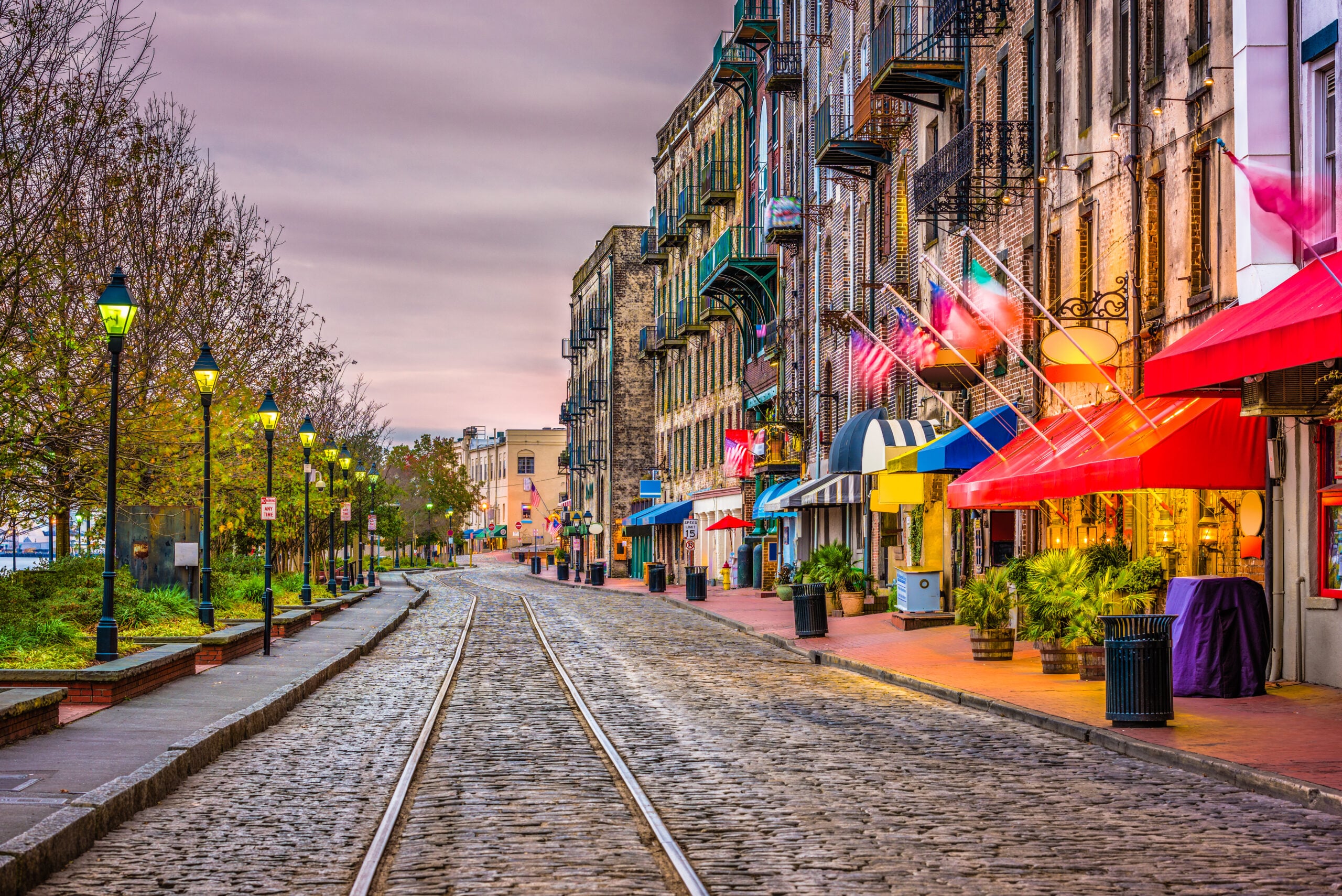
Arrive at River Street by 8:30 a.m. to secure parking or find a quiet spot along the cobblestones. The morning light reflects off the water and the historic warehouse facades, offering the best photo opportunities. Grab coffee at a nearby cafe before heading inland.
Midday: Forsyth Park and the West Side
Move west toward Forsyth Park for a change of scenery. The park’s expansive gardens provide shade and a break from the urban grid. Visit the Forsyth Park Visitor Center for maps, then explore the nearby historic homes on the west side. This area is less crowded and offers a quieter, more residential feel to the city’s history.
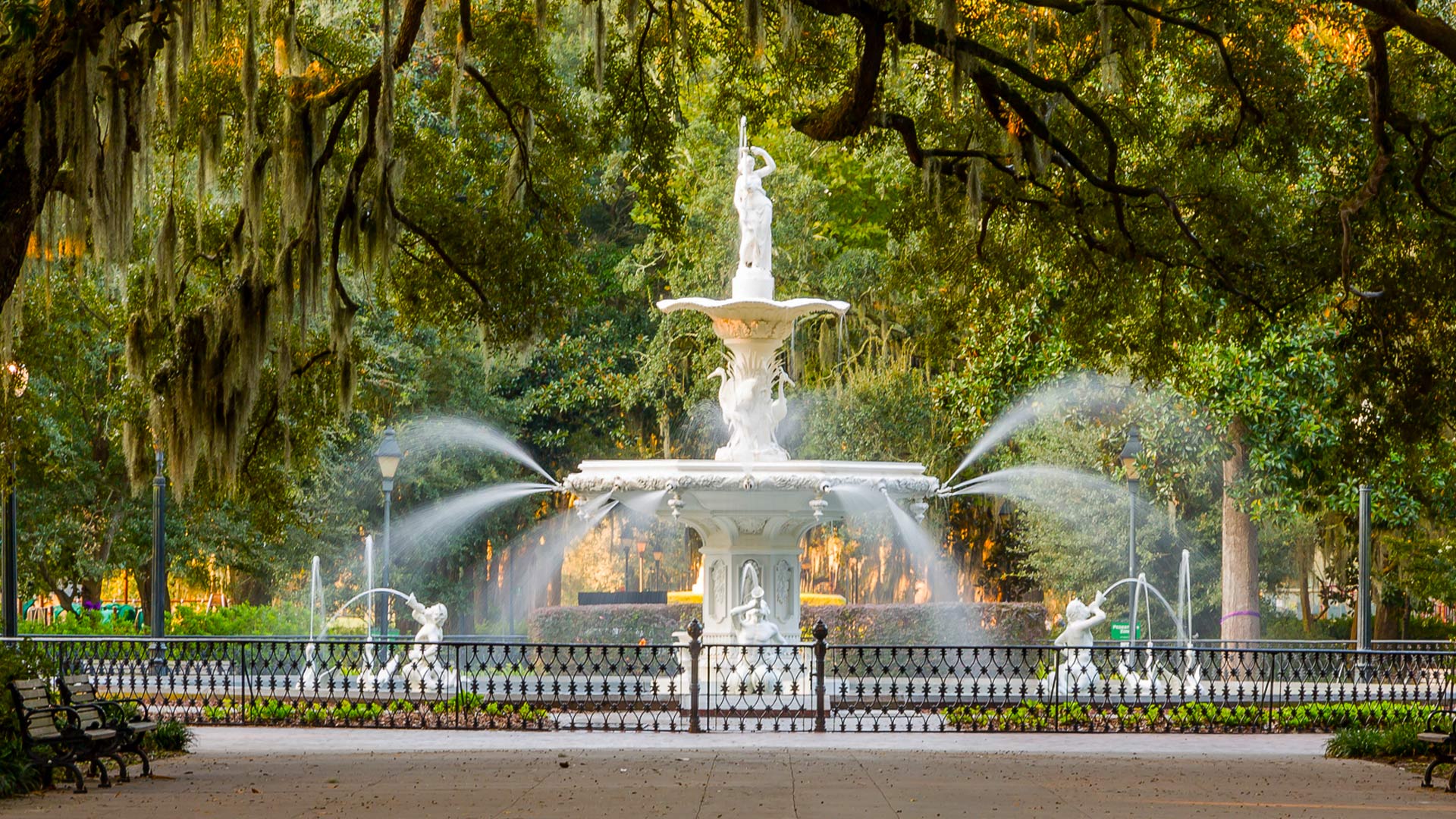
Take a leisurely walk around the park’s loop. The fountain is the centerpiece, but the surrounding gardens and historic markers are worth noting. Stop for lunch at one of the nearby cafes. This break helps avoid the midday sun and allows you to recharge for the afternoon.
Afternoon: Squares and Streetcars
Return to the central squares in the late afternoon. This is the best time to see the historic homes open for tours. Use the Savannah Trolley Tour if you want to cover more ground without walking. The trolley stops at major squares, allowing you to hop on and off as interest dictates. This is also a good time to visit indoor attractions like the Mercer-Williams House or the Telfair Museums.
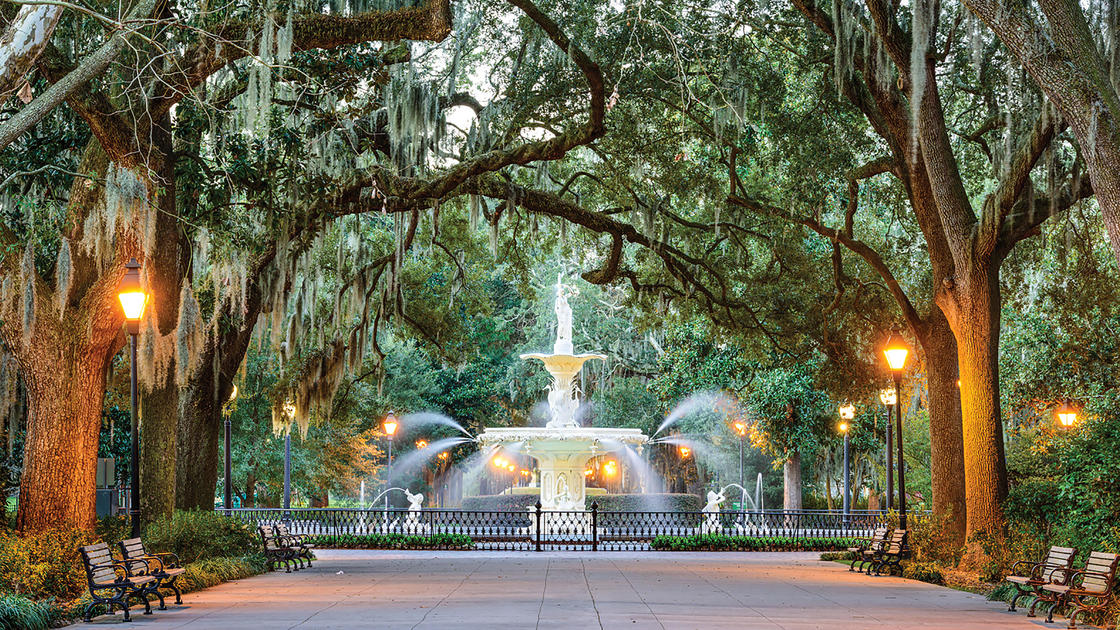
Walk through the central squares like Wright, Johnson, and Chippewa. Each square has unique monuments and live oak trees draped in Spanish moss. Check the opening hours of historic homes if you plan to enter. The late afternoon light is ideal for photography and walking.
Evening: Dinner and Night Walks
End your day with dinner in the Historic District. The area comes alive at night with street performers and lit-up squares. Take a self-guided night walk to see the architecture illuminated. Many restaurants offer outdoor seating where you can people-watch and enjoy the evening atmosphere. Book reservations in advance, especially on weekends.
Dine in the Historic District, where most restaurants are within walking distance of each other. After dinner, take a slow walk through the squares to see them lit up. The atmosphere is relaxed and romantic. If you prefer a guided experience, consider a ghost tour or a night trolley ride.
Stops worth prioritizing
Savannah’s historic district is compact enough to walk, but the density of attractions means you need to triage. The difference between a great trip and a rushed one comes down to choosing the right anchors. Prioritize sites that define the city’s character rather than treating every square block as equal.
Forsyth Park
This 30-acre green space is the city’s living room. The iconic fountain serves as a natural meeting point, and the surrounding gardens offer shade that feels worlds away from the pavement. Arrive early to secure a good spot for photos before the crowds gather. It’s a low-cost way to experience the local atmosphere without the pressure of a timed ticket.
The River Street Wharves
River Street transforms from a quiet cobblestone path into a bustling commercial hub. The historic cotton warehouses now house shops and restaurants, but the real draw is the view of the Savannah River and the sightseeing boats. Walk the length of the street to see the architecture, then stop for a meal with a water view. It’s the easiest way to get a sense of the city’s maritime history.
Wormsloe Historic Site
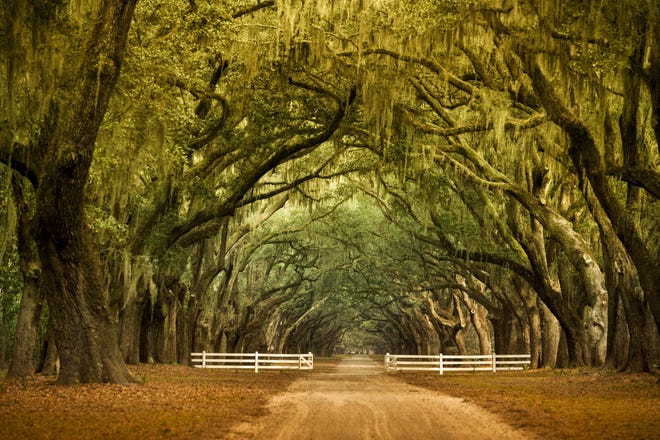
Located just south of the downtown core, this plantation offers a hauntingly beautiful entrance via a two-mile avenue of live oaks. The site includes a museum detailing the history of the Noble family and the land. It’s a distinct detour from the urban grid, offering a quieter, more reflective experience. The drive takes about 15 minutes, making it a perfect afternoon stop.
Bonaventure Cemetery
Often cited as one of the most beautiful cemeteries in the United States, Bonaventure is less a graveyard and more an open-air museum of sculpture and nature. The moss-draped oaks and intricate mausoleums create a serene, almost otherworldly atmosphere. It’s a place for quiet contemplation rather than rapid tourism. Allow an hour to wander the grounds and read the inscriptions.
Comparison: Must-See vs. Optional Detours
Not every stop deserves equal time. Use this breakdown to decide where to allocate your hours based on your interests.
| Site | Time Needed | Vibe | Best For |
|---|---|---|---|
| Forsyth Park | 1 hour | Relaxed public space | Photos and picnics |
| River Street | 1-2 hours | Commercial and busy | Shopping and river views |
| Wormsloe | 2 hours | Historic and quiet | History buffs and photographers |
| Bonaventure Cemetery | 1 hour | Serene and artistic | Quiet reflection and architecture |
| City Market | 30 minutes | Lively and local | Evening drinks and live music |
| Tybee Island | Half day | Beach and casual | Sunbathing and seafood |
Map of Historic District Stops
Planning your route is easier when you see how these sites cluster together. The historic district is walkable, but some stops like Wormsloe and Tybee Island require a car or rideshare.
Timing and logistics
Savannah’s charm comes with a few logistical realities. The Historic District is compact but dense, making parking and pedestrian traffic significant factors in your daily planning. Navigating the city requires a mix of walking, cycling, and strategic driving, especially during peak tourist seasons.
Parking in the Historic District
Street parking is limited and often restricted by time or direction. Most spots on public streets are metered, with rates varying by location and time of day. After 6 p.m. and on Sundays, many meters are free, making evening exploration more accessible. For guaranteed parking, consider the multi-level garages near Forsyth Park or the River Street area, though these can fill up quickly on weekends.
Getting Around
The Historic District is best explored on foot or by bicycle. Bike rentals are widely available, and the flat terrain makes cycling easy. For longer distances or to reach areas outside the core district, rideshare services like Uber and Lyft are reliable and relatively affordable. The free DOT (Downtown Area Transit) trolley loops through the Historic District, providing a convenient way to hop between major attractions without worrying about parking.
Reservations and Timing
Popular restaurants and tours, especially those with outdoor seating or river views, often require reservations weeks in advance. Book dining spots early, particularly for dinner on weekends. For ghost tours, walking tours, and carriage rides, walk-up availability is common, but booking ahead ensures you get your preferred time slot. Keep in mind that summer months (June–August) are significantly hotter and more humid, which can affect outdoor activity comfort; plan indoor breaks or early morning/late evening outings.
Best Time to Visit
Spring (March–May) and fall (September–November) offer the most pleasant weather, with mild temperatures and lower humidity. These seasons also coincide with major festivals like the Savannah Music Festival and the Savannah Book Festival, so expect higher crowds and prices. Winter is mild but can be rainy, while summer brings intense heat and occasional thunderstorms. Plan your itinerary around these weather patterns to maximize comfort.
No comments yet. Be the first to share your thoughts!