

Savannah's Squares: A Visual Start
Savannah’s Historic District is laid out differently than most American cities. It’s a grid, but one punctuated by 22 charming public spaces: the city’s squares. Conceived by James Oglethorpe in 1733, they were meant as communal gathering places, defensive positions, and visual breaks.
Walking Savannah means walking between the squares. Each has its own personality, monument, and story. Some are grand, others intimate. They’re the heart of the city, and spending time in them is key to understanding Savannah.
This tour guides you through compelling spots in the Historic District, but it also invites wandering. Get lost down side streets, pause in squares, and let Savannah reveal itself. The city rewards slow exploration and a curious spirit.
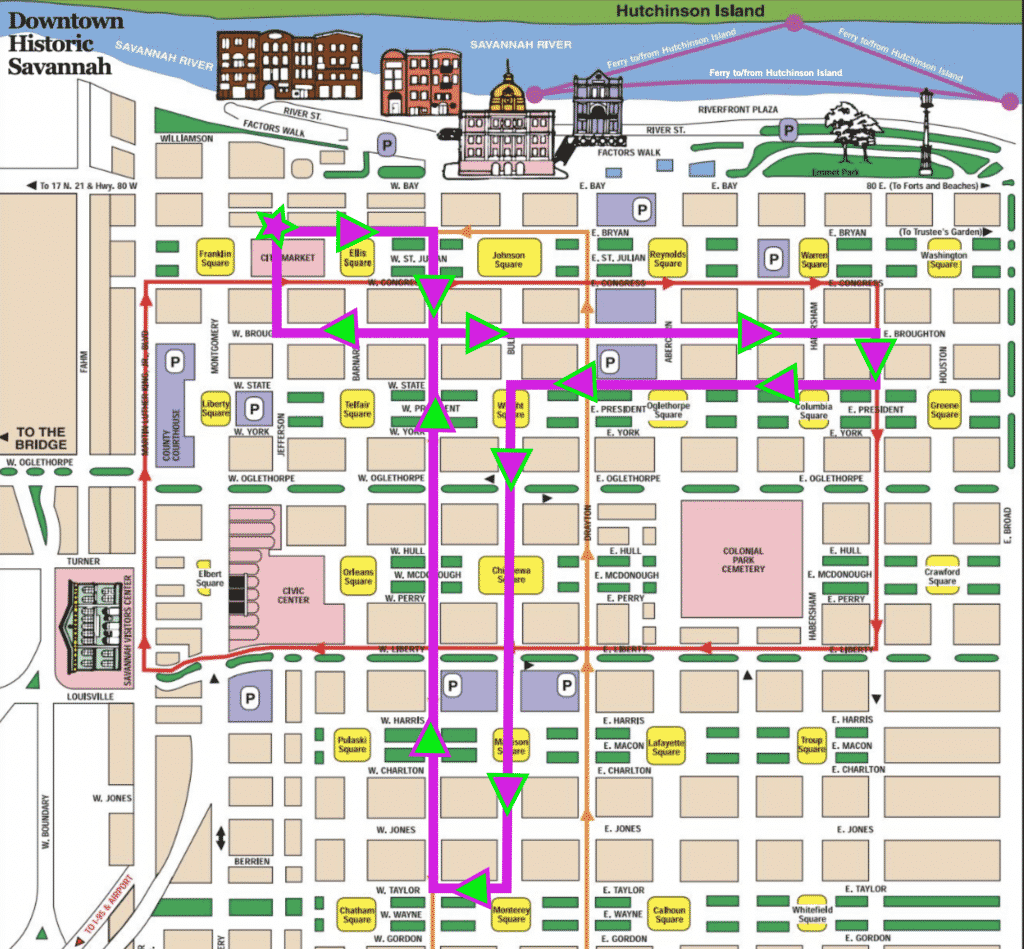
15 Stops: Your Savannah Walking Tour
This walking tour covers 15 must-see locations, blending landmarks with hidden gems. Distances are manageable, but wear comfortable shoes. The tour takes an estimated 4-6 hours, depending on time spent at each stop.
1. Johnson Square (201 Bull St): The oldest and largest of Savannah’s squares, Johnson Square is anchored by a monument to Revolutionary War hero General Nathanael Greene. It's a great place to start, offering a sense of the city's scale and history. Allow 20-30 minutes.
2. Reynolds Square (E. Bryan St & E. Gaston St): Known for its connection to the poem "The Midnight in the Garden of Good and Evil," Reynolds Square is smaller and more intimate. Look for the bronze statue of John Wesley, the founder of Methodism. (20 mins)
3. Chippewa Square (Bull St & W. Perry Ln): Instantly recognizable from the film Forrest Gump, Chippewa Square features a statue of James Edward Oglethorpe. It's a popular spot, so be prepared for crowds. (20 mins)
4. Lafayette Square (Bull St & E. Jones St): Surrounded by stunning architecture, including the Cathedral of St. John the Baptist, Lafayette Square is a visual feast. This square also has a darker history, having served as a site for public executions. (30 mins)
5. Forsyth Park (Drayton St & Bull St): Savannah’s grandest park, Forsyth Park, is a must-visit. Stroll under the iconic Forsyth Fountain, relax on the grass, or enjoy a picnic. The Saturday farmers market is a highlight. (60-90 mins)
6. Mercer Williams House Museum (429 Bull St): Made famous (or infamous) by Midnight in the Garden of Good and Evil, the Mercer Williams House is a beautifully restored Italianate mansion with a tragic history. Tours are available. (60-90 mins)
7. Owens-Thomas House & Slave Quarters (21 Abercorn St): A National Historic Landmark, this house provides a powerful look at antebellum life, including the realities of slavery. The preserved slave quarters are particularly poignant. (60-90 mins)
8. Cathedral of St. John the Baptist (207 E. Lafayette Sq): A stunning example of French Gothic architecture, this cathedral is a breathtaking sight. Take time to admire the stained-glass windows and the intricate details. (30 mins)
9. Colonial Park Cemetery (200 E. Oglethorpe Ave): One of Savannah’s oldest cemeteries, Colonial Park Cemetery offers a glimpse into the city’s past. Many of the headstones are worn and difficult to read, adding to the atmosphere. (45 mins)
10. River Street (River St): A bustling waterfront district, River Street is lined with shops, restaurants, and bars. It's a great place to soak up the atmosphere and watch the ships go by. (60 mins)
11. City Market (219 W. Bryan St): A historic marketplace dating back to the 1700s, City Market is now home to art galleries, shops, and restaurants. (45 mins)
12. Factors Walk (Between River St & Bay St): A series of iron walkways and brick buildings that once served as cotton warehouses, Factors Walk is a unique and atmospheric area. (30 mins)
13. The Pirates' House (28 E. River St): A legendary tavern with a colorful history, The Pirates’ House is said to have been a hangout for pirates and smugglers. (60 mins)
14. Davenport House Museum (324 E. State St): A beautifully restored Federal-style home, the Davenport House offers a glimpse into the life of a Savannah merchant family in the early 19th century. (60 mins)
15. Sorrel-Weed House (301 E. Bull St): Known as one of Savannah’s most haunted houses, the Sorrel-Weed House offers ghost tours and historical tours. (60 mins)
Architectural Styles: A Savannah Primer
Savannah’s built environment is a fascinating blend of styles, reflecting its long and complex history. You’ll encounter several prevalent architectural forms as you walk the Historic District. Understanding these styles will enrich your experience.
Federal (1800-1830): Characterized by symmetry, simple lines, and delicate ornamentation. Look for fanlights over doorways and elliptical windows. The Davenport House Museum is a prime example.
Greek Revival (1830-1860): Inspired by ancient Greek temples, this style features imposing columns, pediments, and a sense of grandeur. Many of the public buildings and larger homes in Savannah showcase Greek Revival elements.
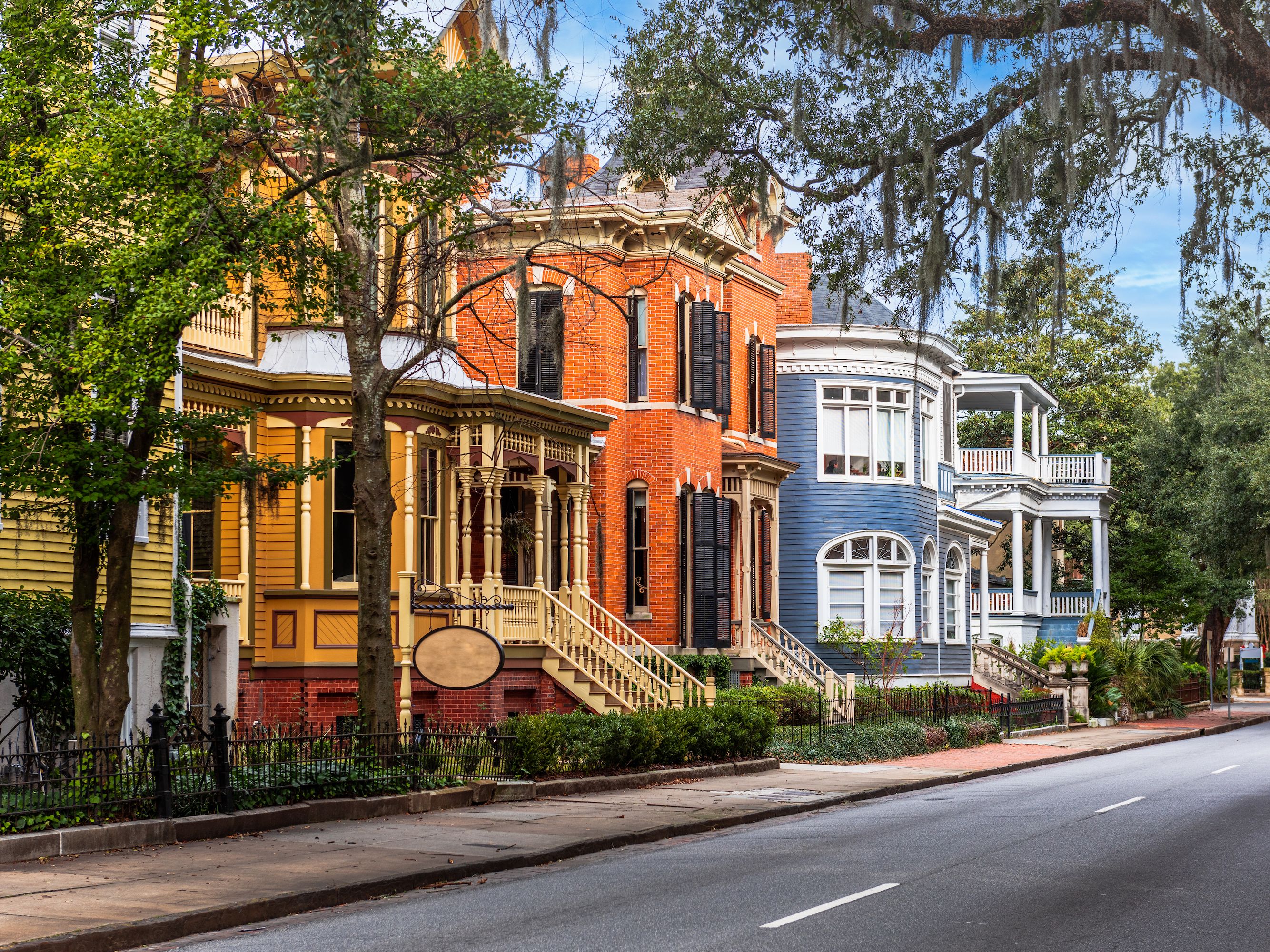
Victorian (1860-1900): A broad category encompassing several sub-styles, Victorian architecture is known for its ornate details, asymmetrical designs, and use of decorative materials. You'll find examples with gingerbread trim, bay windows, and towers.
Regency (1811-1830): A refined and elegant style, Regency architecture is similar to Federal but with more elaborate detailing, such as cast-iron balconies and curved windows. The rebuilding efforts after the Civil War saw a rise in Regency influence, blending it with existing styles.
Beyond the Bricks: Stories & Secrets
Savannah isn’t just about beautiful buildings; it’s a city steeped in stories, some heartwarming, others chilling. The city’s past is often more nuanced and complicated than it first appears.
The Mercer Williams House, of course, is inseparable from the story of Jim Williams and the murder trial that captivated the nation. The house itself, with its opulent interiors, feels heavy with the weight of that history. Midnight in the Garden of Good and Evil brought this case to international attention, and the house remains a focal point for true crime enthusiasts.
The Pirates’ House has a reputation for being a haven for pirates and smugglers in the 18th and 19th centuries. While the extent of its pirate connections is debated, the building’s long history as a tavern and its atmospheric setting make it easy to imagine a rough-and-tumble past. The NPS Integrity and Condition Assessment notes the building's long use as a maritime tavern.
Colonial Park Cemetery isn’t just a burial ground; it’s a window into Savannah’s early struggles with disease and mortality. The high concentration of yellow fever victims is a stark reminder of the challenges faced by the city’s early inhabitants. The cemetery’s weathered headstones and overgrown vegetation create a hauntingly beautiful atmosphere.
Savannah Squares: A Deeper Dive
The square system wasn’t simply an aesthetic choice; it was a deliberate urban planning strategy. James Oglethorpe designed the squares as warding spaces, providing defensive positions in case of attack. More importantly, they were intended as communal spaces, fostering a sense of community and providing areas for public gatherings.
Over time, the squares evolved from defensive positions to social hubs. They became the sites of parades, festivals, and everyday interactions. Each square developed its own unique character, reflecting the surrounding neighborhood and the events that took place within its boundaries.
Chippewa Square, for example, is notable for its association with Forrest Gump, but it also served as a meeting place for abolitionists in the 19th century. Johnson Square, the oldest square, has witnessed countless historical events, from military parades to political rallies. Recent restoration efforts have focused on preserving the squares’ historic landscapes and ensuring their continued use as public spaces.
The squares aren’t just pretty faces; they’re integral to Savannah’s walkability. They break up the urban grid, creating a more pedestrian-friendly environment. They also contribute to the city’s sense of community, providing spaces where people can gather and connect.
Practicalities: Getting Around & Staying Safe
The Savannah Historic District is incredibly walkable, and that's the best way to experience it. However, other options are available. Pedicabs offer a leisurely way to get around, while trolley tours provide a narrated overview of the city. The DOT (Department of Transportation) offers a free shuttle service with multiple routes.
Staying safe is generally not a major concern, but it’s always wise to be aware of your surroundings, especially at night. Stick to well-lit streets and avoid walking alone in isolated areas. Guided tours can provide an extra layer of security.
Restrooms are available in some of the squares and at visitor centers. Water fountains are also scattered throughout the district. Savannah can get hot and humid, especially during the summer months, so stay hydrated and wear sunscreen. Expect occasional showers, particularly in the spring and fall.
Food & Drink Near the Landmarks
Fueling your exploration is essential! Here are a few options near the landmarks we’ve covered. Prices are approximate and subject to change.
Near Forsyth Park: Collins Quarter (Australian cafe, $15-25) offers excellent coffee and brunch. Mrs. Wilkes' Dining Room ($25-35) is a Savannah institution, serving family-style Southern cuisine (expect a line!).
Around Chippewa & Reynolds Squares: The Olde Pink House ($30-50) is a fine-dining option in a historic mansion. Treylor Park ($15-25) offers creative Southern comfort food in a casual setting.
By River Street & City Market: Vic’s on the River ($40-60) boasts stunning river views and upscale dining. Leopold's Ice Cream ($5-10) is a Savannah classic, known for its homemade ice cream.
Restaurants Near Savannah Historic District Walking Tour Stops
| Restaurant Name | Cuisine | Price Range | Ambiance | Distance from Closest Landmark |
|---|---|---|---|---|
| The Olde Pink House | Southern | $$ | Romantic & Historic | Less than a block from Reynolds Square |
| Mrs. Wilkes' Dining Room | Soul Food (Family Style) | $ | Communal & Lively | A few blocks from Chippewa Square |
| Vic's on the River | Seafood & Southern | $$$ | Elegant & Refined | Near River Street & Factors Walk |
| Zunzi's | South African Inspired Sandwiches | $ | Casual & Vibrant | Close to Johnson Square |
| Crystal Beer Parlor | American Pub Fare | $$ | Relaxed & Local | A short walk from Forsyth Park |
| Garibaldi Cafe | Italian | $$ | Cozy & Intimate | Near Monterey Square |
Illustrative comparison based on the article research brief. Verify current pricing, limits, and product details in the official docs before relying on it.
Savannah in 2026: What's New?
Savannah continues to evolve, even as it cherishes its history. According to Visit Savannah (visitsavannah.com), ongoing initiatives focus on preserving historic buildings and enhancing the visitor experience.
Several hotel renovations and expansions are planned in the Historic District, potentially adding more lodging options by 2026. There’s also increased discussion around managing tourism and ensuring the city remains accessible to both visitors and residents. Expect continued investment in the River Street area, with potential for new shops and restaurants. It’s a good bet that Savannah’s culinary scene will continue to flourish, with new restaurants showcasing innovative Southern cuisine.

No comments yet. Be the first to share your thoughts!