

Plan the route
Savannah’s historic district is compact but dense with cobblestones, one-way streets, and pedestrian-heavy zones. Trying to cover everything in a single day leads to fatigue and missed details. Instead, group your sights by neighborhood and time of day. This approach minimizes backtracking and lets you soak in the atmosphere rather than rushing from checkpoint to checkpoint.
Start early to beat the heat and the tour bus crowds. The morning light is ideal for photography in Forsyth Park and along the River Street waterfront, where the sun reflects off the cobblestones and brick facades. Use this time for outdoor exploration before the midday heat sets in.
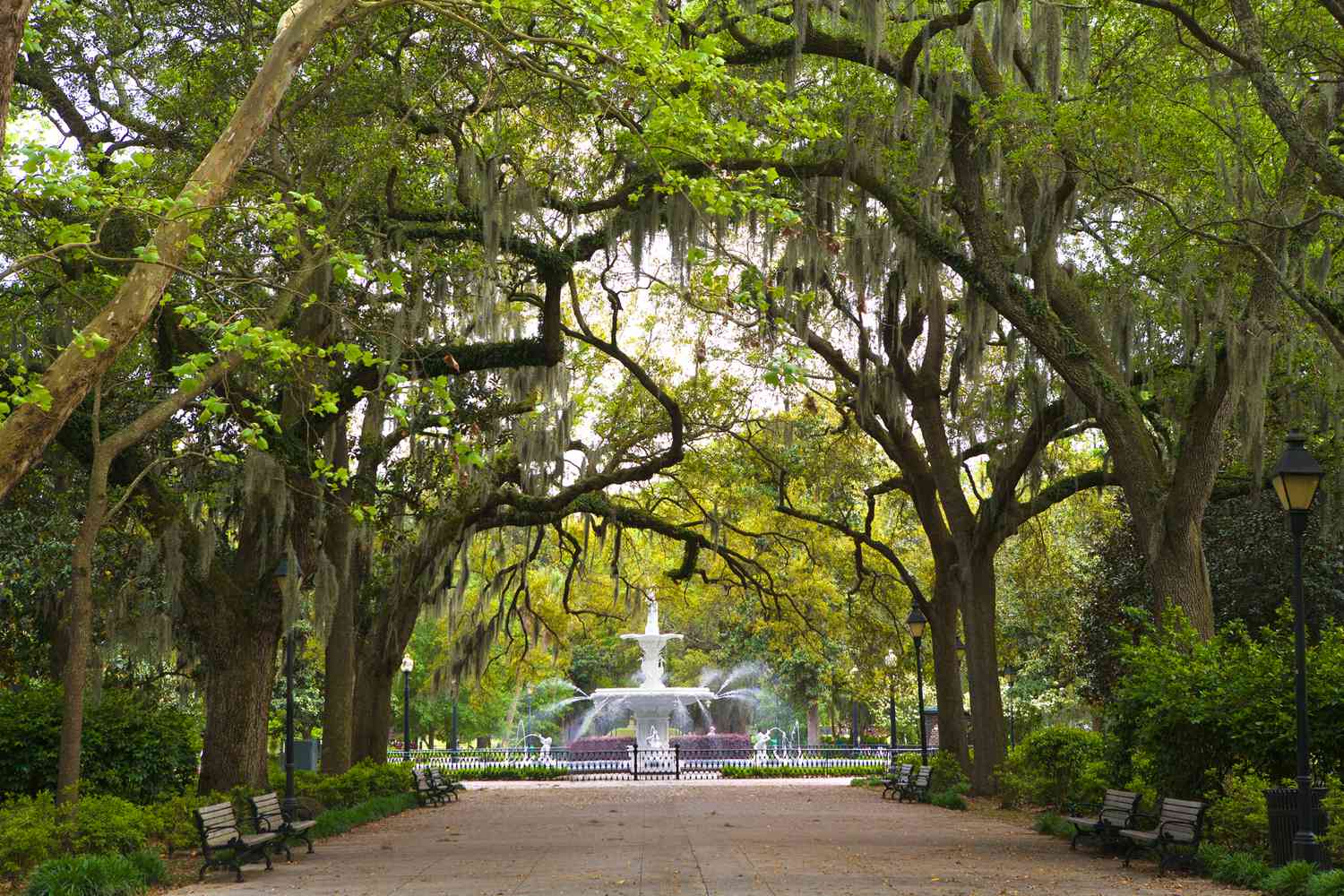
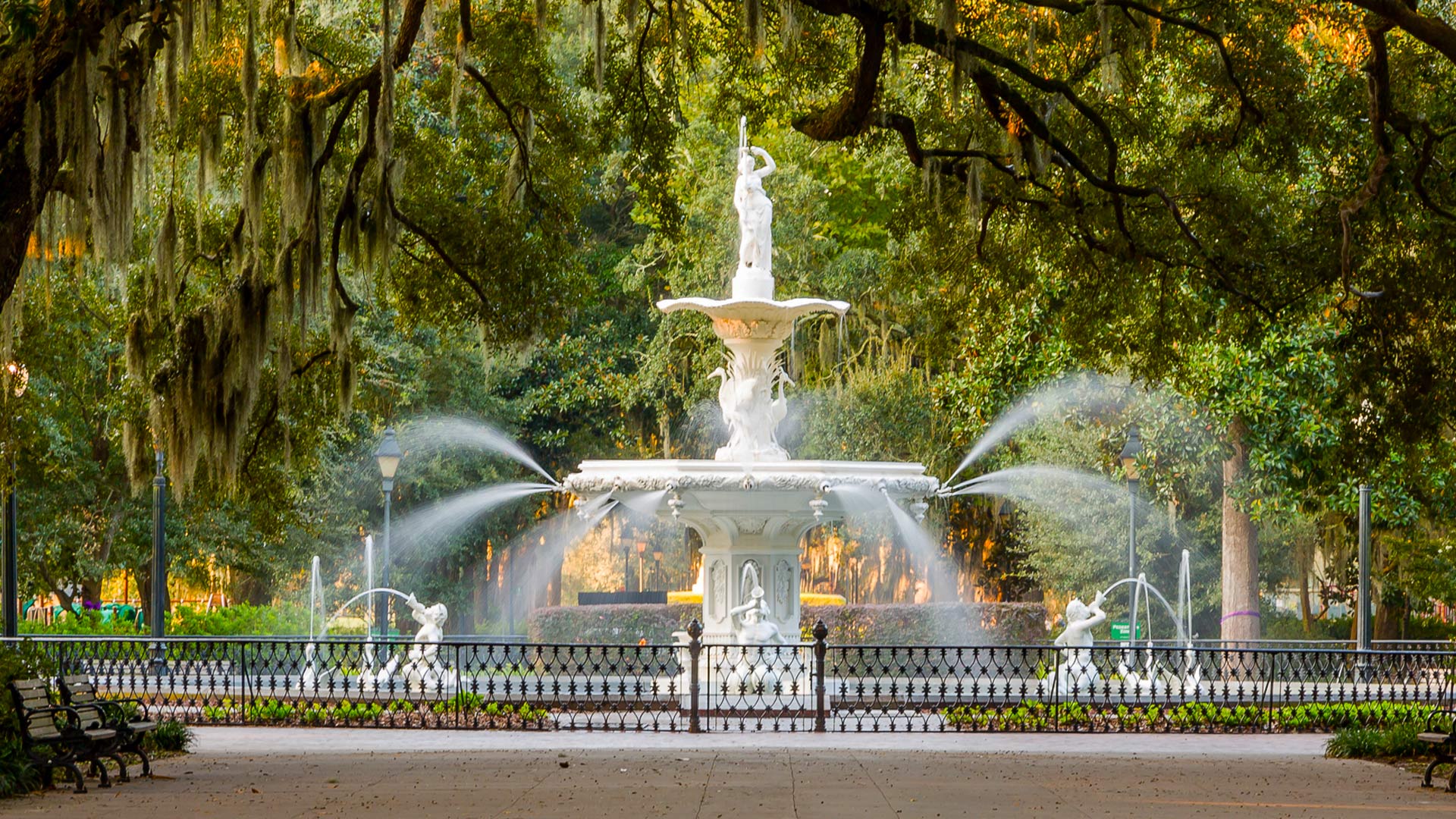
Begin at Forsyth Park for a leisurely walk around the iconic fountain. From there, head north on Bull Street to see the Sorrel-Weed House and the Cathedral of St. John the Baptist. This area is best visited in the morning when the squares are cool and the light is soft. Stop for coffee at a local cafe before the heat peaks.
Walk or take a short ride down to River Street. The warehouses here house shops and restaurants, but the real draw is the view of the Savannah River. It gets crowded and hot here by noon, so keep the walk brisk. Grab lunch at a shaded spot overlooking the water, then explore the cobblestone alleys before heading to the next zone.
Spend the afternoon hopping between the smaller squares like Chippewa Square and Johnson Square. These are the hidden gems where locals relax and history feels tangible. Many squares have benches and statues perfect for a quick rest. Avoid the main tourist traps and focus on the quiet corners between the major landmarks.
As the sun sets, the historic district transforms. Return to your favorite square or head to a restaurant in the Victorian District. Evening is the best time for a night walk to see the illuminated squares and historic homes. The cooler air makes walking pleasant, and the lighting is dramatic for photos.
Map out your day using the official Visit Savannah guide to check for special events or road closures that might affect your route.
-
Wear comfortable walking shoes for cobblestones
-
Carry a reusable water bottle
-
Check museum hours for specific closures
-
Book dinner reservations in advance
Stops worth prioritizing
Savannah’s layout is designed around eight original squares, but the city has expanded significantly. Prioritizing stops requires balancing iconic landmarks with the intimate, shaded squares that define the city's character. Focus on the Historic District’s core, where most major attractions are within a 15-minute walk of each other.
| Factor | What to check | Why it matters |
|---|---|---|
| Fit | Match the option to the primary use case. | A good deal still fails if it does not fit the job. |
| Condition | Verify age, wear, and service history. | Hidden condition issues erase upfront savings. |
| Cost | Compare purchase price with likely upkeep. | The cheapest option is not always the lowest-cost option. |
Timing and logistics
Savannah’s historic district is a grid of walkable squares, but navigating it requires a bit of strategy. The city is compact, yet traffic congestion spikes during peak tourist hours and special events. Planning your route around these bottlenecks will save you more time than any guided tour.
Parking and transit
Street parking is available but often limited in the most popular areas like Forsyth Park and River Street. Paid municipal lots and garages offer a more reliable alternative, though rates can add up quickly if you’re staying for multiple days. For those who prefer not to drive, the free DOT (Downtown Area Transit) trolley loops through the main tourist zones, stopping near most major hotels and attractions.
Reservations and timing
Popular restaurants, especially those in the historic district, often require reservations weeks in advance for dinner service. Walk-ins are possible but usually mean waiting or settling for less desirable times. For outdoor activities, early morning or late afternoon offers the best light for photography and the most comfortable temperatures, particularly in the summer months when humidity can be intense.
Savannah travel: what to check next
Planning a trip to Georgia’s oldest city involves navigating humidity, historic preservation rules, and crowded tourist zones. These answers address the most common logistical hurdles travelers face when booking Savannah travel itineraries.
No comments yet. Be the first to share your thoughts!