

Where to start your Savannah visit
For a first-time trip to Savannah, the Historic District is your anchor. This grid-like neighborhood, bounded roughly by the Savannah River to the south and I-16 to the north, contains the majority of the city’s defining features: the 22 historic squares, the antebellum architecture, and the core dining and shopping districts. Staying here eliminates the need for constant driving, allowing you to walk between major sights like Forsyth Park, City Market, and River Street.
The layout of the Historic District works in your favor. Because the squares are evenly spaced, you can use them as landmarks rather than relying on street names. A typical day might start at one edge of the district and move systematically toward the other, minimizing backtracking. This density means you can pack more experiences into three days without spending hours in transit.
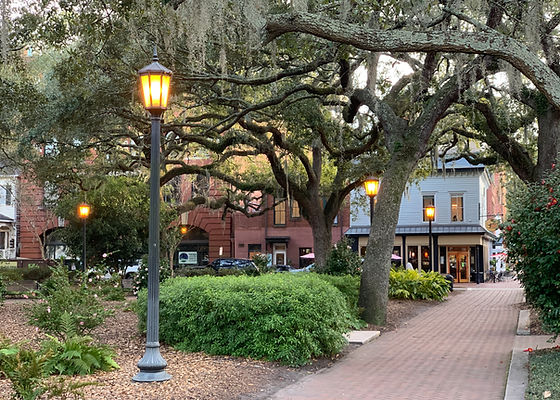
While neighborhoods like Midtown and Southside offer charm and local flavor, they require cars or rideshares to access efficiently. For a short three-day itinerary, sticking to the Historic District maximizes your time. You’ll find that the walkability of this area transforms the trip from a series of destinations into a continuous, immersive experience.
If you choose to stay outside the Historic District, ensure your accommodation is within walking distance of Broughton Street or Bull Street. These main arteries serve as the spine of the district and provide easy access to public shuttles, taxi stands, and the majority of first-time visitor attractions.
Day one: Historic squares and architecture
Start your Savannah trip by anchoring yourself in the city’s most iconic layout. Savannah is built on a grid of 22 squares, each serving as a green lung for the surrounding historic district. This morning, focus on the two largest and most photogenic: Forsyth Park and the Cathedral complex. The route is walkable, flat, and designed to be experienced at a leisurely pace.
Begin at the edge of Forsyth Park. The fountain here is the visual center of the city, framed by ancient live oaks draped in Spanish moss. It is the perfect spot to take your first photos and get your bearings. From the fountain, walk north toward the Cathedral of St. John the Baptist. The drive-thru cathedral is a rare architectural feature, visible from the street, but the interior is worth a brief stop for its stained glass and quiet atmosphere.
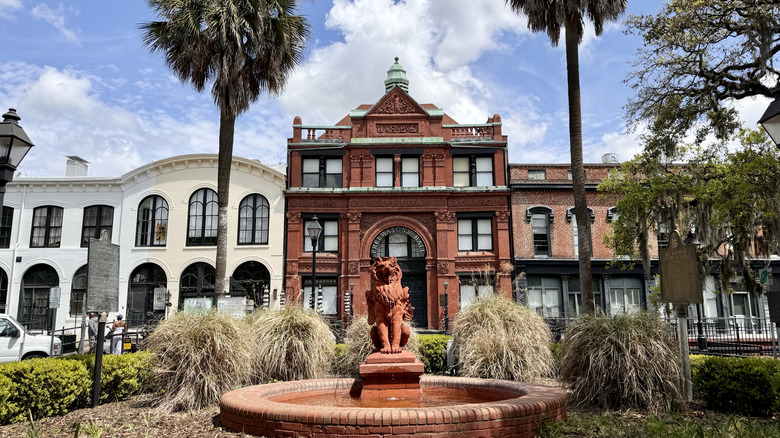
Once you leave the cathedral, turn onto Bull Street. This is the main north-south artery of the historic district. Walk north for about ten minutes, passing the ornate facades of 19th-century homes and small boutique shops. The architecture shifts from grand plantation-era mansions to more compact urban townhouses. Keep an eye out for the wrought-iron balconies that define the city’s aesthetic.
Continue to Chippewa Square, home to the oak tree featured in the movie Forrest Gump. It is a small square, but it offers a moment of reflection before you head back toward your hotel or lunch spot. The entire loop takes about two hours if you include photo stops. By the end of the morning, you will have seen the core visual elements that make Savannah unique: the squares, the moss, and the brick streets.
Day two: River Street and maritime history
River Street feels like a time capsule, where cobblestone walkways and brick warehouses line the Savannah River. For first-timers, it’s the waterfront’s main attraction, but it can get crowded. The key is to arrive early, ideally before 10 a.m., when the light is soft and the shops are just opening. This timing lets you wander without fighting the midday tour groups.
Start your walk at the southern end near the River Street Market and head north. You’ll pass colorful historic buildings housing boutiques and restaurants. The atmosphere is lively, with street musicians often playing near the docks. If you want a break from the bustle, duck into the Savannah History Museum, located in a former cotton warehouse. It offers a grounded look at the city’s maritime past, from the cotton trade to the Civil War era, providing context that the tourist shops often skip.
For lunch, avoid the most obvious waterfront spots which often charge a premium for the view. Instead, look for smaller eateries tucked into the side streets or upper floors of the warehouse buildings. Many offer local seafood with a fraction of the crowd. After eating, take a short stroll to the nearby Trolley Stop if you plan to use the Hop-On Hop-Off service later, or simply enjoy the river breeze before heading back inland for the rest of your afternoon.
House museums and local food
Spend your final morning exploring Savannah’s historic homes, which offer a quiet contrast to the bustling squares. The Juliette Gordon Low Birthplace is the primary stop here. The restored 1879 rowhouse serves as the starting point for the Girl Scouts of the USA. Guided tours provide insight into the lives of the city’s early elite, showcasing period furnishings and architectural details that have remained largely unchanged. Book tickets in advance, as slots fill quickly during peak season.
After the tour, head to a local Lowcountry restaurant for lunch. This region’s cuisine is defined by rice, seafood, and slow-cooked meats. Shrimp and grits is the signature dish, often served with smoked sausage and a creamy cheese sauce. You can find authentic versions at several established spots near the historic district. The food reflects the area’s agricultural history and coastal access.
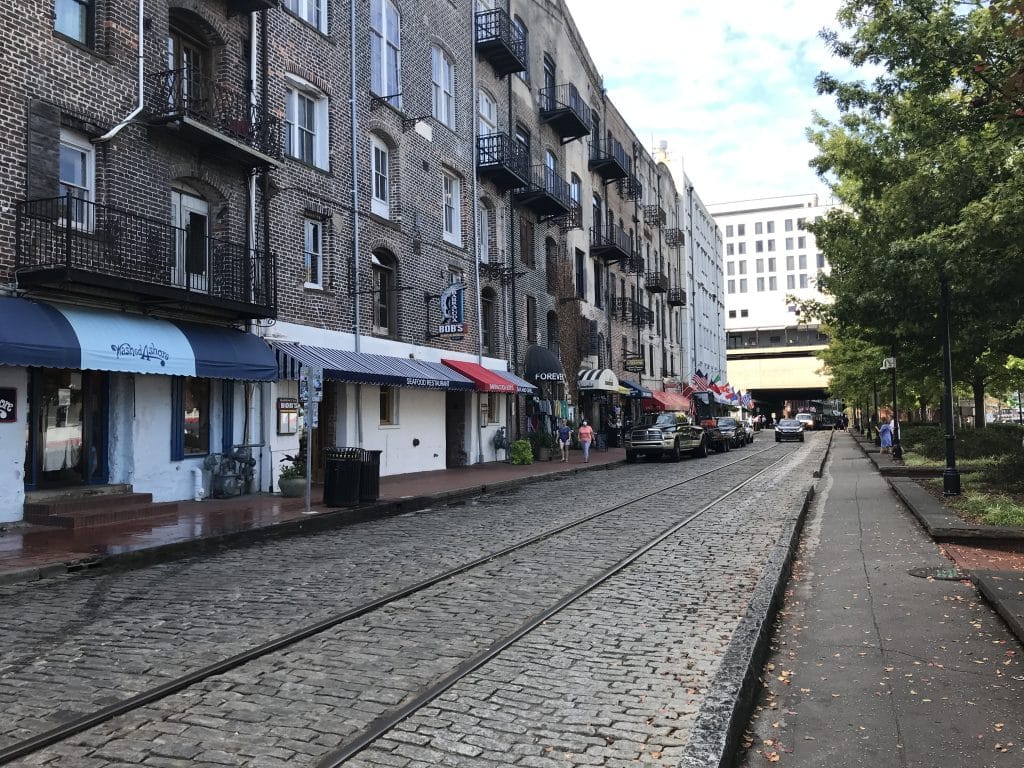
Finish your trip with a walk along River Street. The cobblestone streets and historic warehouses now house shops and galleries. It is a good place to buy souvenirs or simply enjoy the view of the Savannah River. The area is lively but less crowded than Forsyth Park or the squares. Take your time to explore the narrow alleys and waterfront views before your departure.
Best time to visit Savannah
Savannah’s charm lies in its walkable historic district, but the weather can make or break that experience. The city sits in a humid subtropical zone, meaning summers are hot and sticky, while winters are mild but occasionally chilly. Choosing the right window is less about avoiding rain and more about avoiding the oppressive heat that turns a stroll through Forsyth Park into an endurance test.
Spring and fall offer the most reliable conditions for exploring. From March to June, daytime highs sit comfortably in the high 70s to mid-80s. This is also when the famous azaleas bloom, painting the squares in pink and white. However, late spring brings increased humidity and the first thunderstorms. Similarly, October and November provide crisp air and lower humidity, making it the ideal time for photography and outdoor dining. Temperatures drop to the 60s by late November, signaling the end of the prime walking season.
Summer is the least comfortable time to visit. July and August routinely push temperatures above 90°F with high humidity that makes the air feel heavy. While the city is alive with festivals, the heat limits how long you can comfortably spend outdoors. If you must visit then, plan your sightseeing for early mornings and evenings, and rely on air-conditioned museums or carriage rides during the midday heat.
Winter is surprisingly pleasant for those who dislike crowds. December and January see average highs in the 60s, though cold fronts can drop temperatures into the 30s. Rain is common, but snow is rare. This is a good time to visit if you prefer indoor attractions like the Mercer-Williams House or the Savannah College of Art and Museum, and you don’t mind packing a light jacket.
The map below anchors the Historic District, where most of your walking will happen. Keeping the weather in mind, you can plan your daily routes to maximize time in the shaded squares and minimize exposure to the midday sun.
Savannah trip packing checklist
Savannah’s historic district is a walker’s paradise, but the terrain demands specific gear. The famous brick sidewalks and cobblestone streets in areas like Jones Street and Forsyth Park are uneven and slippery when wet. Pairing this with the region’s high humidity means your packing list needs to balance comfort with durability.
Skip high heels or thin-soled sandals. Choose supportive walking shoes with good grip. Sneakers or sturdy flats will protect your feet on the uneven historic pavement and keep you comfortable during long days exploring the squares.
The air is thick and humid, even in spring and fall. Pack moisture-wicking fabrics like linen or light cotton. Avoid heavy synthetics that trap heat. A light cardigan or denim jacket is useful for cooler evenings or overly air-conditioned museums.
Savannah sees frequent afternoon thunderstorms in summer and strong sun in the open squares. Bring a compact umbrella, a wide-brimmed hat, and high-SPF sunscreen. Reapply sunscreen regularly, as humidity can cause it to wear off faster than expected.
Packing these essentials ensures you can move through the city’s charming but challenging streets without discomfort. Focus on practicality over fashion, and you’ll be ready to enjoy everything Savannah offers.
When is the best month to visit Savannah
The best time to visit Savannah depends on whether you prioritize comfortable weather or lower prices. Spring (March to May) and fall (September to November) offer the most pleasant conditions, with daytime highs ranging from the mid-70s to low 80s. These shoulder seasons avoid the intense humidity and thunderstorms of summer while keeping the winter chill at bay.
March and April are particularly magical as the famous azaleas bloom across the city’s squares and parks. However, this is also peak tourist season. If you prefer fewer crowds and lower hotel rates, aim for late April or early May, or shift your visit to October and November. The fall foliage adds a different kind of beauty to the historic district, and the weather remains ideal for walking tours.
Summer brings heavy heat and humidity, which can make exploring the open-air squares and parks exhausting, especially for first-timers. Winter is mild but can be damp and chilly, with occasional cold snaps. For a balanced experience of good weather and manageable crowds, targeting the shoulder months is your best bet.
No comments yet. Be the first to share your thoughts!