

Where to stay in Savannah
Choosing the right base depends on whether you want to walk through centuries of history or listen to the ocean. Savannah offers two distinct experiences: the walkable, tree-lined Historic District and the relaxed, sandy shores of Tybee Island, just a short drive away.
Historic District: Charm and Culture
Staying in the Historic District puts you in the center of Savannah’s most famous squares, antebellum architecture, and vibrant dining scene. This area is best for travelers who want to immerse themselves in the city’s history, take guided walking tours, and enjoy nightlife without needing a car.
Accommodations range from luxury boutique hotels in restored mansions to charming bed and breakfasts. Expect to pay a premium for location, with most rooms commanding higher rates, especially during peak seasons. The walkability here is unmatched, but parking can be challenging and expensive.
Tybee Island: Beach Relaxation
For a quieter, sun-soaked vacation, Tybee Island offers a classic coastal vibe. Located about 18 miles east of downtown Savannah, it is accessible via the Tybee Bridge. This area is ideal for families, couples seeking romance, or anyone who prefers beach activities over museum visits.
Tybee Island features a mix of vacation rentals, condos, and smaller motels. Prices are generally more reasonable than in the Historic District, though waterfront properties can still be pricey. You will need a car or rideshare to get into downtown Savannah for dinner or shows, adding some logistical planning to your trip.
Choosing Your Neighborhood
Use this comparison to decide which area fits your travel style and budget.
| Area | Vibe | Price Range | Best For | Transport |
|---|---|---|---|---|
| Historic District | Walkable, historic, lively | $$$ | Culture, dining, nightlife | On foot, trolley |
| Tybee Island | Relaxed, coastal, casual | $$-$$$ | Beach, families, quiet | Car required |
The Historic District is the heart of the Savannah travel guide experience, offering immediate access to Forsyth Park, River Street, and the city’s famous squares. Tybee Island provides a necessary counterpoint, offering space and sea air. Many visitors choose to split their stay, enjoying a few days in the city followed by beach time, or vice versa.
Consider your priorities: if you want to step out your door and be in the middle of history, choose the Historic District. If you want to wake up to the sound of waves and spend your days on the sand, head to Tybee Island. Both offer unique perspectives on what makes Savannah special.
Walking the Historic Squares
The Historic District is designed as a grid of parks, meaning you never walk far from shade and history. This layout creates a relaxed, walkable environment where every block offers a new perspective. For a Savannah travel guide, starting with the squares is the most effective way to understand the city’s unique rhythm. You can easily cover the main sights on foot in a single morning, avoiding the need for cars or tours.
Forsyth Park and the Fountain
Start your route at Forsyth Park, the district’s largest green space and a local favorite. The park is dominated by the iconic iron fountain, which serves as the perfect photo spot and rest area. The surrounding gardens are well-maintained, offering a quiet escape from the downtown bustle. It’s a great place to grab coffee or a light snack from nearby vendors before heading back into the grid.
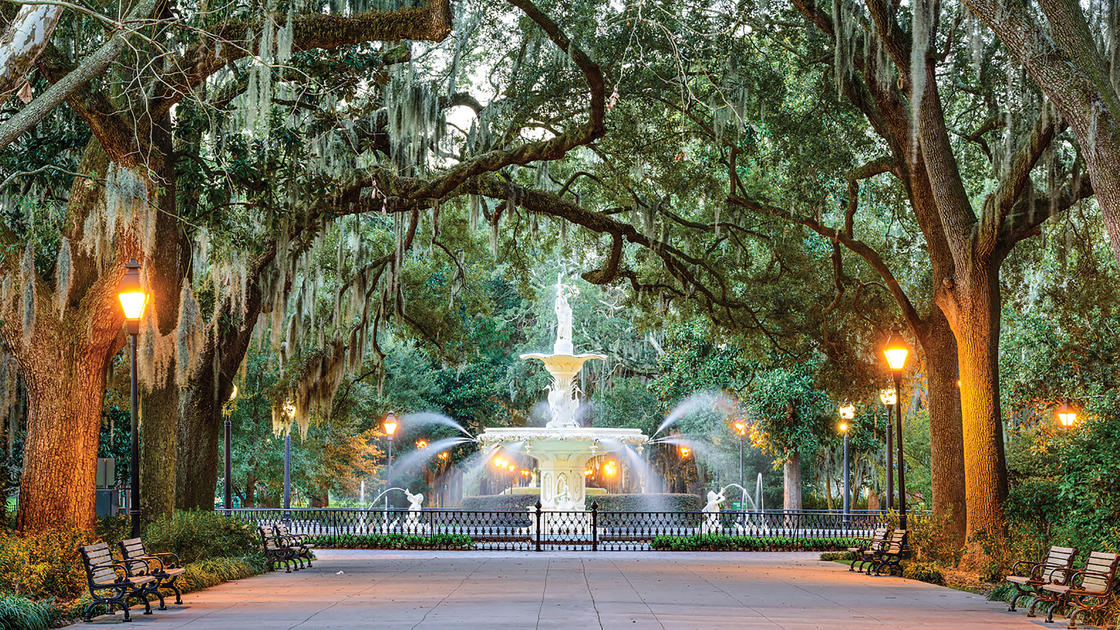
Visit the fountain early in the morning to avoid crowds. The park’s pathways are wide and paved, making it accessible for strollers and wheelchairs. Look for the historic Forsyth Park Zoo nearby, which is free to enter and houses small exhibits of native wildlife.
The Cathedral and City Market
From Forsyth, head west toward the Cathedral Basilica of St. John the Baptist. This Gothic Revival structure is a striking landmark with intricate stained glass and a serene interior. Just a short walk away is City Market, a vibrant hub of shops, art galleries, and live music. The area is pedestrian-friendly, with cobblestone streets that add to the historic charm. It’s a good spot to buy souvenirs or enjoy a meal at one of the many restaurants.
Check the cathedral’s website for Mass times and visiting hours. The interior is open to the public for quiet reflection, even when services are not in session. Photography is allowed in the nave, but flash is prohibited to protect the artwork.
The Historic Squares
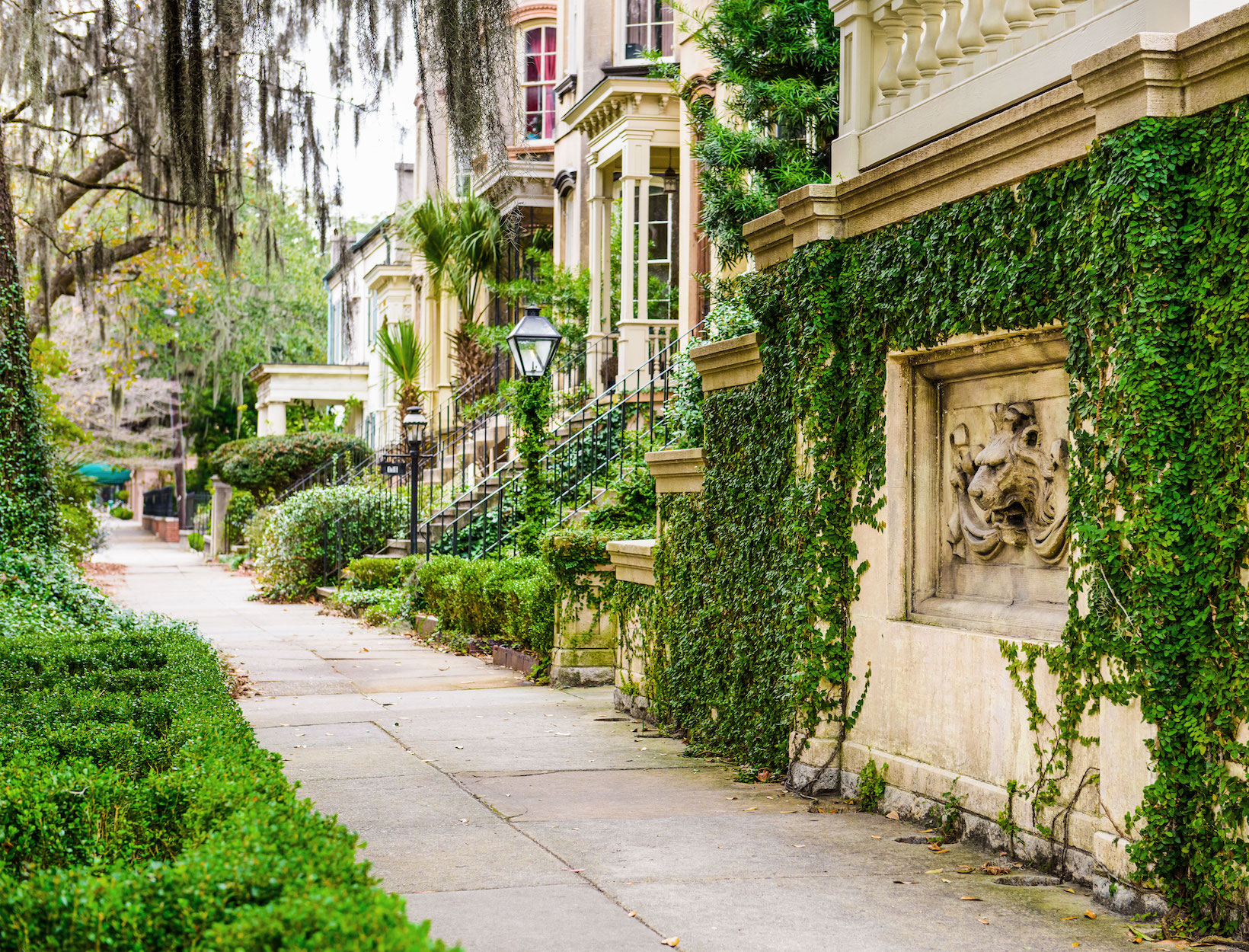
The heart of Savannah is its 22 squares, each with its own name and character. While Forsyth is the largest, smaller squares like Chippewa and Monterey offer intimate settings with oak trees draped in Spanish moss. These parks are often surrounded by historic homes and buildings, providing a glimpse into the city’s architectural heritage. Walking between them is a leisurely experience, with benches offering places to rest and observe local life.
Take your time to wander off the main path. Each square has a plaque detailing its history and namesake. Look for the unique monuments and statues that dot the grassy areas, many of which honor local heroes and historical events.
Getting to Tybee Island
Tybee Island sits just eleven miles east of downtown Savannah, a twenty-minute drive that marks the transition from historic brick squares to coastal pine forests. The island is the closest beach to Savannah, making it a natural addition to any Savannah travel guide itinerary for visitors who want salt air without leaving the metro area.
The most direct route is via Interstate 16 East, which connects to Highway 80 East. Traffic on Highway 80 can build quickly on summer weekends, especially near the toll plaza, so leaving before 10 a.m. or after 4 p.m. helps avoid delays. The toll is cashless; vehicles with E-ZPass or a registered license plate are charged automatically, while others must pay online within 48 hours to avoid a penalty.
For those without a car, the Chatham Area Transit (CAT) Route 40 bus runs from downtown Savannah to the Tybee Island Transit Center. The ride takes about forty-five minutes and costs $1.50 per trip. Buses run frequently during peak season, though schedules thin out on weeknights and Sundays.
Once on the island, parking is the primary logistical challenge. Street parking is available along most residential roads, but spaces fill by late morning in summer. Public lots near Fort Pulaski and the pier charge hourly fees during the day. Arriving early is the best way to secure a spot near the water or the lighthouse.
Best places to eat in Savannah
Savannah’s dining scene is a layered experience, shifting from the high-energy brunch spots in the Historic District to the relaxed, oyster-shucking vibes of the waterfront. The city’s culinary identity is anchored in Southern cuisine, but the best restaurants here treat tradition as a starting point rather than a rulebook. You’ll find lowcountry boils, shrimp and grits, and she-crab soup served in everything from historic courtyards to converted warehouses.
Start your morning at a local favorite for pecan waffles and sweet tea, then work your way through the district. Lunch is best spent at a casual bistro with outdoor seating, allowing you to watch the historic district breathe while you eat. For dinner, reservations are essential, especially on weekends. The most popular spots fill up weeks in advance, so plan your evenings around your table times rather than the other way around.
Don’t overlook the riverfront for seafood. The smell of salt air and fresh catch is a strong indicator of quality here. Look for places where the menu changes daily based on what the local boats bring in. Whether you’re craving fried green tomatoes or a full crab feast, the key is to eat where the locals eat, not just where the tourist maps point.
The best Savannah travel guide dining experiences are often the ones you stumble upon. Wander down Bull Street or visit the Forsyth Park area for hidden gems that serve home-style cooking without the pretension. Keep an eye on the specials board; that’s where the chef’s best work often lives, and it’s usually the most affordable way to taste the city’s full range of flavors.
When to Visit Savannah
Timing your trip around the weather and local events is the first step in planning your Savannah travel guide. Summers are hot and humid, with July and August often pushing temperatures above 90°F (32°C) with high humidity. While the city is vibrant, the heat can be taxing for extensive walking tours.
Spring (March to May) and Fall (September to November) offer the most pleasant conditions. Daytime temperatures typically range from 70°F to 85°F (21°C to 29°C). These seasons also coincide with major events like the Savannah Music Festival in spring and the Savannah Food & Wine Festival in fall, which draw larger crowds and higher hotel rates.
Winter is mild but can be unpredictable. January and February see average highs around 60°F (15°C). It’s a quieter time to visit, ideal for those seeking a more relaxed atmosphere and lower prices, though some outdoor dining options may be limited.
Packing Essentials for Savannah
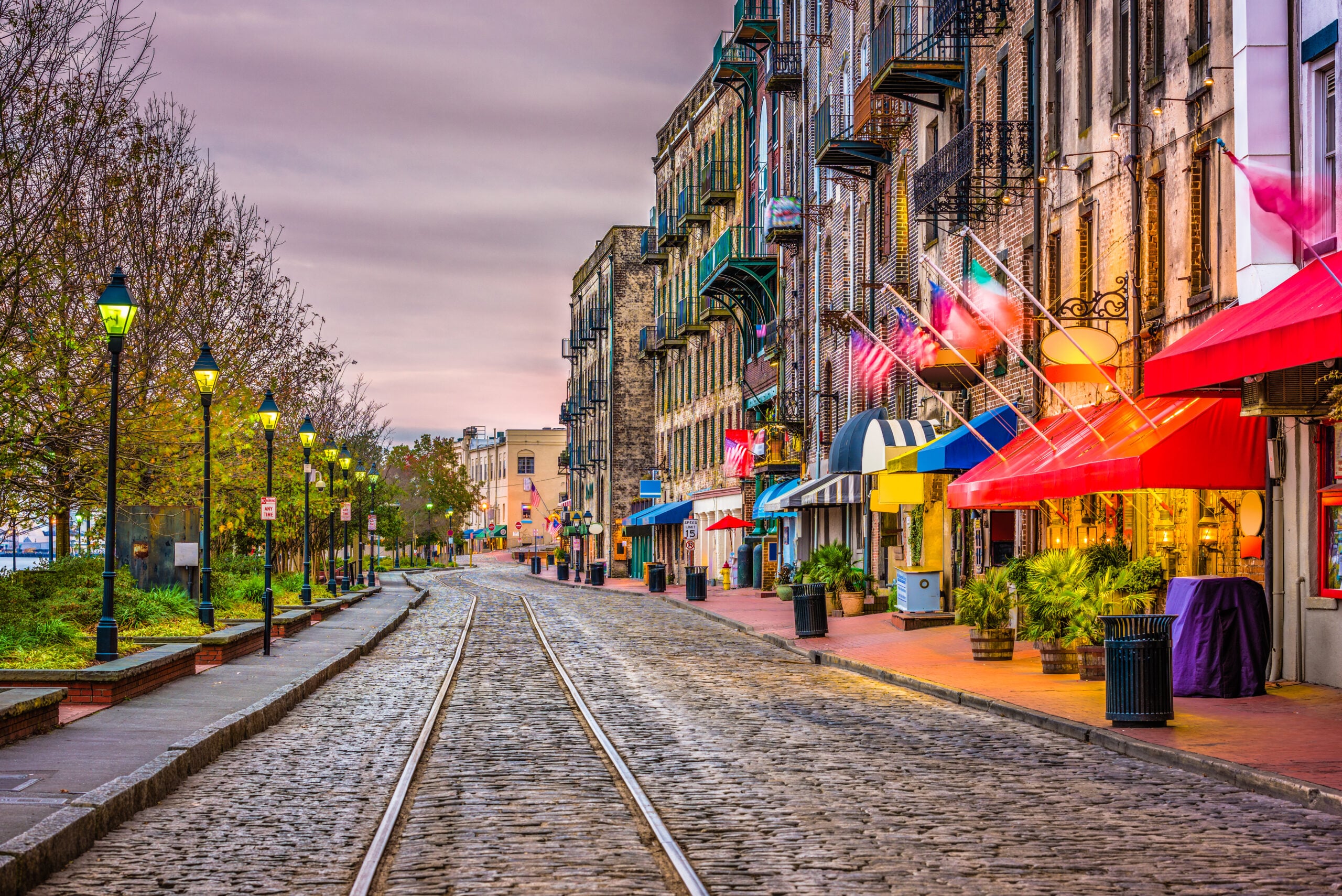
Packing for Savannah requires balancing comfort for walking with protection from the elements. The city’s historic district is best explored on foot, so comfortable shoes are non-negotiable. Cobblestone streets in areas like Forsyth Park and the River Street district can be uneven, making sandals with poor support impractical.
Pre-Trip Packing Checklist
Use this checklist to ensure you have the right gear for your Savannah travel guide itinerary:
- Comfortable walking shoes with good support
- Lightweight, breathable clothing for humid weather
- Sunscreen and a wide-brimmed hat
- A small umbrella or lightweight rain jacket for sudden showers
- Reusable water bottle to stay hydrated
- Insect repellent, especially for evening walks or Tybee Island trips
A week before your trip, monitor the local forecast. Savannah weather can shift quickly, particularly in spring and fall. Pack layers so you can adjust to changing conditions throughout the day.
During peak seasons like spring and fall, hotels in the Historic District fill up months in advance. Book your stay early to secure better rates and preferred locations near major attractions.
Map out your daily activities to minimize backtracking. The Historic District is walkable, but distances between squares can add up. Prioritize nearby attractions to keep your days manageable in the heat.
No comments yet. Be the first to share your thoughts!