

Getting around the historic district
Savannah Travel works best as a clear sequence: define the constraint, compare the realistic options, test the tradeoff, and choose the path with the fewest hidden costs. That order keeps the advice usable instead of decorative. After each step, pause long enough to check whether the recommendation still fits the reader's actual situation. If it depends on perfect timing, unusual access, or a best-case budget, include a simpler fallback.
The simplest way to use this section is to write down the real constraint first, compare each option against it, and choose the path that still works outside ideal conditions.
Historic squares and landmarks
Savannah’s 22 squares function as the city’s living rooms, each with its own personality and history. The most photogenic anchor is Forsyth Park, where the iron lacework of the fountain contrasts with the sweeping Spanish moss that drapes the live oaks. Arrive before 9 a.m. to capture the soft morning light without the crowds, or visit in the late afternoon when the golden hour hits the brick pathways. The park itself is a destination, offering wide lawns for picnics and a quiet escape from the downtown bustle.
Moving toward the waterfront, River Street transforms the historic cotton warehouses into a vibrant corridor of shops and restaurants. The cobblestone streets here are best navigated on foot, especially early in the day before the tour groups arrive. The view of the Savannah River from the wharves offers a stark contrast to the shaded squares, providing a glimpse into the city’s maritime past. For a more grounded historical perspective, Wormsloe State Historical Site sits just south of downtown, offering a peaceful walk down a two-mile oak-lined avenue that feels worlds away from the city center.
The emotional core of Savannah’s history is Bonaventure Cemetery, located just outside the historic district. Unlike the manicured squares, this site is wilder and more contemplative, famous for its twisted oak trees and haunting beauty. It is not a typical "must-see" for every traveler, but for those seeking the gothic soul of the South, it is essential. Allow at least an hour to wander the paths and read the weathered headstones, which tell stories of sailors, soldiers, and families who shaped the city.
For a comprehensive overview of these sites, consider a self-guided walking tour that connects the squares to the waterfront. This route allows you to experience the architectural diversity of Savannah, from Greek Revival mansions to Victorian row houses. Keep your pace relaxed; the true value of these historic sites lies in the details—the carved ironwork, the hidden courtyards, and the quiet moments of reflection among the ancient trees.
Day trips to Tybee and nearby beaches
Savannah Travel works best as a clear sequence: define the constraint, compare the realistic options, test the tradeoff, and choose the path with the fewest hidden costs. That order keeps the advice usable instead of decorative. After each step, pause long enough to check whether the recommendation still fits the reader's actual situation. If it depends on perfect timing, unusual access, or a best-case budget, include a simpler fallback.
The simplest way to use this section is to write down the real constraint first, compare each option against it, and choose the path that still works outside ideal conditions.
Where to eat: Southern classics and local spots
Savannah Travel works best as a clear sequence: define the constraint, compare the realistic options, test the tradeoff, and choose the path with the fewest hidden costs. That order keeps the advice usable instead of decorative. After each step, pause long enough to check whether the recommendation still fits the reader's actual situation. If it depends on perfect timing, unusual access, or a best-case budget, include a simpler fallback.
| Factor | What to check | Why it matters |
|---|---|---|
| Fit | Match the option to the primary use case. | A good deal still fails if it does not fit the job. |
| Condition | Verify age, wear, and service history. | Hidden condition issues erase upfront savings. |
| Cost | Compare purchase price with likely upkeep. | The cheapest option is not always the lowest-cost option. |
Planning your Savannah itinerary
Organizing a trip to Savannah requires balancing the historic district’s walkability with the island’s spread-out attractions. Think of your schedule like a river delta: start at the source (the city center) and branch out as time allows. Most visitors spend 2-3 days to see the squares, dine at the top spots, and take a short excursion to Tybee Island or the plantations.
Book key experiences in advance
Savannah’s popularity means prime slots fill up quickly. Reserve your horse-drawn carriage rides and food tours at least two weeks ahead. If you plan to visit the Bonaventure Cemetery or a major plantation like Wormsloe, book timed entry tickets online to skip the line.
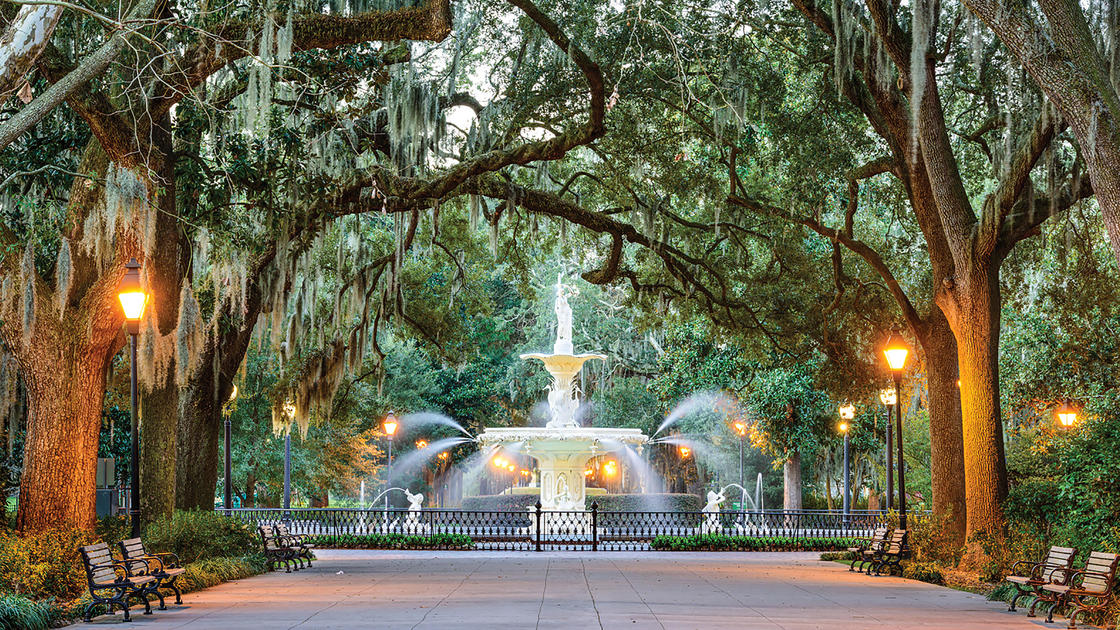
Group your activities by neighborhood to minimize walking in the heat. Start mornings at Forsyth Park, spend afternoons in the Historic District squares, and save evening dinners for River Street or Starland District. This keeps your route logical and efficient.
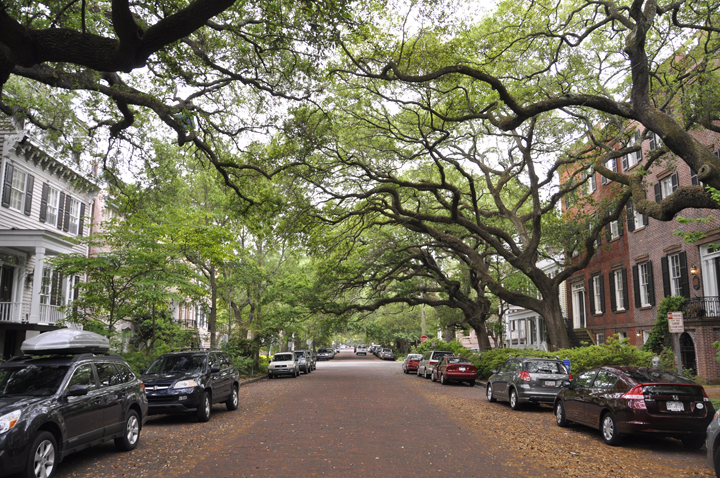
The Historic District is highly walkable, but distances between islands add up. Use the free DART shuttle for quick hops between major squares. For longer trips to Tybee Island or Bonaventure Cemetery, rent a car or use rideshare services.
Even in spring and fall, Savannah stays humid. Bring lightweight, breathable clothing, comfortable walking shoes with good grip for cobblestones, and a portable fan or misting spray. Sunscreen is essential, as many squares have limited shade.
-
Book carriage or food tour
-
Reserve plantation tickets
-
Pack breathable clothing
-
Download DART shuttle map
Know the best times to go
Spring (March-May) and Fall (September-November) offer the most comfortable weather for walking. Summer brings intense heat and humidity, while winter is mild but can be chilly for evening strolls. Avoid major holidays like St. Patrick’s Day if you dislike large crowds.
No comments yet. Be the first to share your thoughts!