


What the budget buys
Visiting Savannah in 2026 requires balancing your spending against the seasonal volatility of the Georgia coast. In the shoulder seasons—March through May and October through November—premium pricing reflects the high demand for mild weather. During these windows, a mid-range budget secures a boutique inn within the Historic District, providing walking access to the squares and avoiding the need for rental cars or ride-shares.
In the peak of summer, lower rates for luxury hotels often mask the hidden costs of the climate. While you may save on the room, the oppressive humidity and heat indices often force a shift in spending toward indoor attractions, air-conditioned transport, and frequent hydration. Choosing a budget-friendly hotel without a pool or high-efficiency HVAC during July can make a trip feel more like a test of endurance than a vacation.
For those visiting during the winter dip, budgets stretch further. You can often secure high-end accommodations at a fraction of the spring cost, though you should allocate more toward layering clothing. The tradeoff is a quieter city with fewer crowds, but a higher likelihood of damp, chilly mornings that can disrupt outdoor walking tours.
Models worth checking first
Reliable planning for a trip requires different data sources depending on your lead time. For immediate, short-term changes in Savannah weather updates, digital forecasting models provide the most granular data. For long-term seasonal trends and general climate expectations for 2026, historical almanacs and monthly averages offer a more stable baseline.
AccuWeather provides specific daily temperature ranges for the coming months, which is useful for packing and activity scheduling. In contrast, the Old Farmer's Almanac focuses on broader regional trends, such as predicting warmer-than-usual temperatures for the southeast in spring 2026. Using both allows you to balance specific daily targets with general seasonal shifts.
| Source | Best For | Data Type |
|---|---|---|
| AccuWeather | Short-term planning | Daily high/low ranges |
| Old Farmer's Almanac | Seasonal trends | Regional climate predictions |
| World Weather Info | Historical daily snapshots | Specific date temperature logs |
Check before you buy
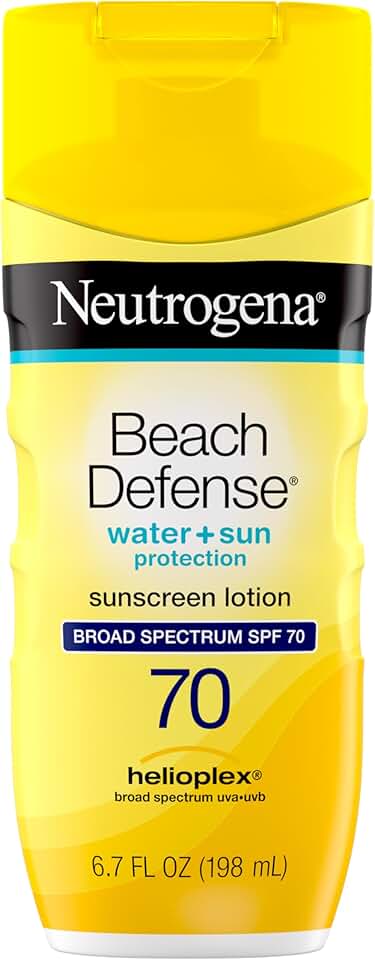
Preparing for Savannah weather requires more than just checking a forecast. Because the city sits between the Atlantic and the marshes, humidity and sudden storm cells can ruin expensive gear or make a trip uncomfortable if you pack for the wrong extremes.


As an Amazon Associate, we may earn from qualifying purchases.
Costs that change the math
Buying a home in Savannah's historic districts often involves a trade-off between a lower purchase price and higher long-term ownership costs. While a century-old cottage may look like a bargain, the cost of maintaining a structure against Georgia's humidity and salt air can quickly erode equity.
Moisture is the primary driver of unexpected expenses. The constant cycle of heavy spring rains and summer humidity leads to wood rot and foundation settling. Owners frequently face non-negotiable costs for specialized masonry repair and historical preservation mandates that forbid the use of cheap, modern materials like vinyl siding or PVC windows.
Insurance premiums also fluctuate based on the season and location. Properties closer to the coast or in low-lying areas face steep wind and flood insurance hikes, especially as hurricane seasons become more volatile. A "cheap" buy in a flood zone often costs more monthly in premiums than a more expensive home on higher ground.
Common questions
Planning a trip to Georgia's coast requires balancing the desire for mild temperatures against the reality of humidity and hurricane season. Most visitors struggle to decide between the peak bloom of spring and the affordability of the winter months.
While the city remains accessible year-round, the experience shifts from walking the squares in light linens during April to needing heavy layers for sudden January cold snaps. Use these practical answers to finalize your dates based on the savannah weather guide 2026 projections.
No comments yet. Be the first to share your thoughts!