

Savannah’s Shifting Seasons
Savannah’s climate is classified as humid subtropical, and that really defines the experience of being here. It means we have four distinct seasons, but they don’t always feel like what you might expect. The humidity plays a huge role – it often makes the temperature feel warmer than the actual reading on the thermometer. You’ll notice this particularly in the summer.
Our location near the Atlantic Ocean moderates temperatures somewhat, preventing extreme highs or lows. This proximity also means we can experience brief, but sometimes intense, coastal showers. Generally, though, the weather is quite predictable, making planning a trip relatively straightforward.
We’ll break down each season in detail, covering average temperatures, rainfall, and what you can expect. Knowing what to anticipate will help you pack appropriately and make the most of your visit, no matter when you choose to come. It’s a city best enjoyed prepared.

Spring in Savannah: Blooms and Breezes
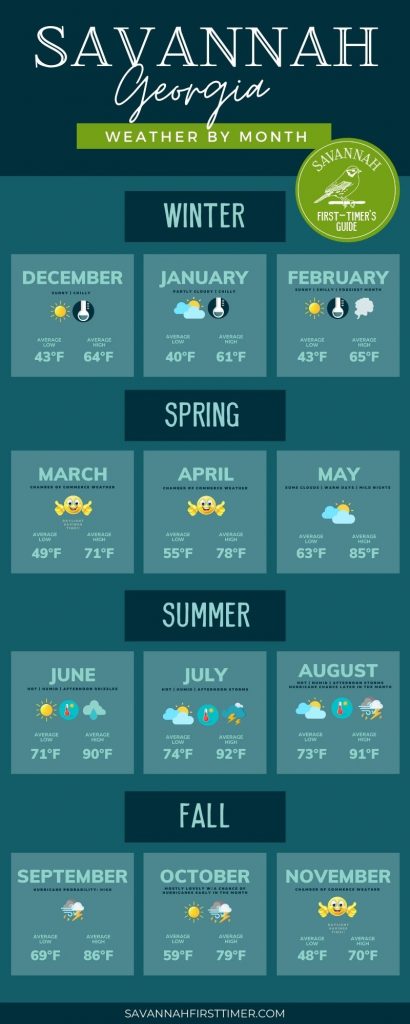
March through May is a truly lovely time to visit Savannah. Average high temperatures range from the low 70s to the low 80s Fahrenheit, while lows typically fall into the 50s and 60s. Rainfall is moderate, averaging around 3-4 inches per month, and humidity starts to climb, but it’s generally quite pleasant.
The city comes alive with color during spring, thanks to the blooming azaleas and dogwoods. The Savannah Flower Show, usually held in March, is a popular event for garden enthusiasts. Days are generally mild and breezy, perfect for exploring the historic squares and waterfront.
However, spring weather can be changeable. I’ve personally experienced sunny mornings turning into quick, heavy thunderstorms by the afternoon. It’s best to be prepared for anything. These showers rarely last long, but they can be intense while they last. Keep an eye on the forecast and have a light jacket or umbrella handy.
- Light layers (t-shirts, long-sleeved shirts)
- Comfortable walking shoes
- Umbrella or light rain jacket
- Sunscreen
- Hat
Summer Heat and Humidity
June, July, and August are the hottest and most humid months in Savannah. Average high temperatures soar into the upper 80s and low 90s Fahrenheit, and humidity levels can regularly exceed 80%. Afternoon thunderstorms are common, providing a brief respite from the heat, but also bringing the potential for heavy downpours.
Staying hydrated is absolutely essential during the summer. Drink plenty of water throughout the day, and seek shade whenever possible. Avoid strenuous activity during the hottest hours, and take advantage of air-conditioned spaces. Heat exhaustion is a real concern, so listen to your body.
Despite the heat, summer remains a popular tourist season. Many visitors are drawn to the city’s outdoor events and lively atmosphere. But being prepared for the conditions is key to enjoying your trip. Lightweight, breathable clothing is a must, and don't forget the insect repellent!
Fall’s Golden Transition
September through November offers a welcome change from the summer heat. Temperatures begin to cool down, with average highs dropping from the 80s to the 70s and even the 60s by November. Humidity also decreases, making for more comfortable conditions. Rainfall remains moderate, similar to spring.
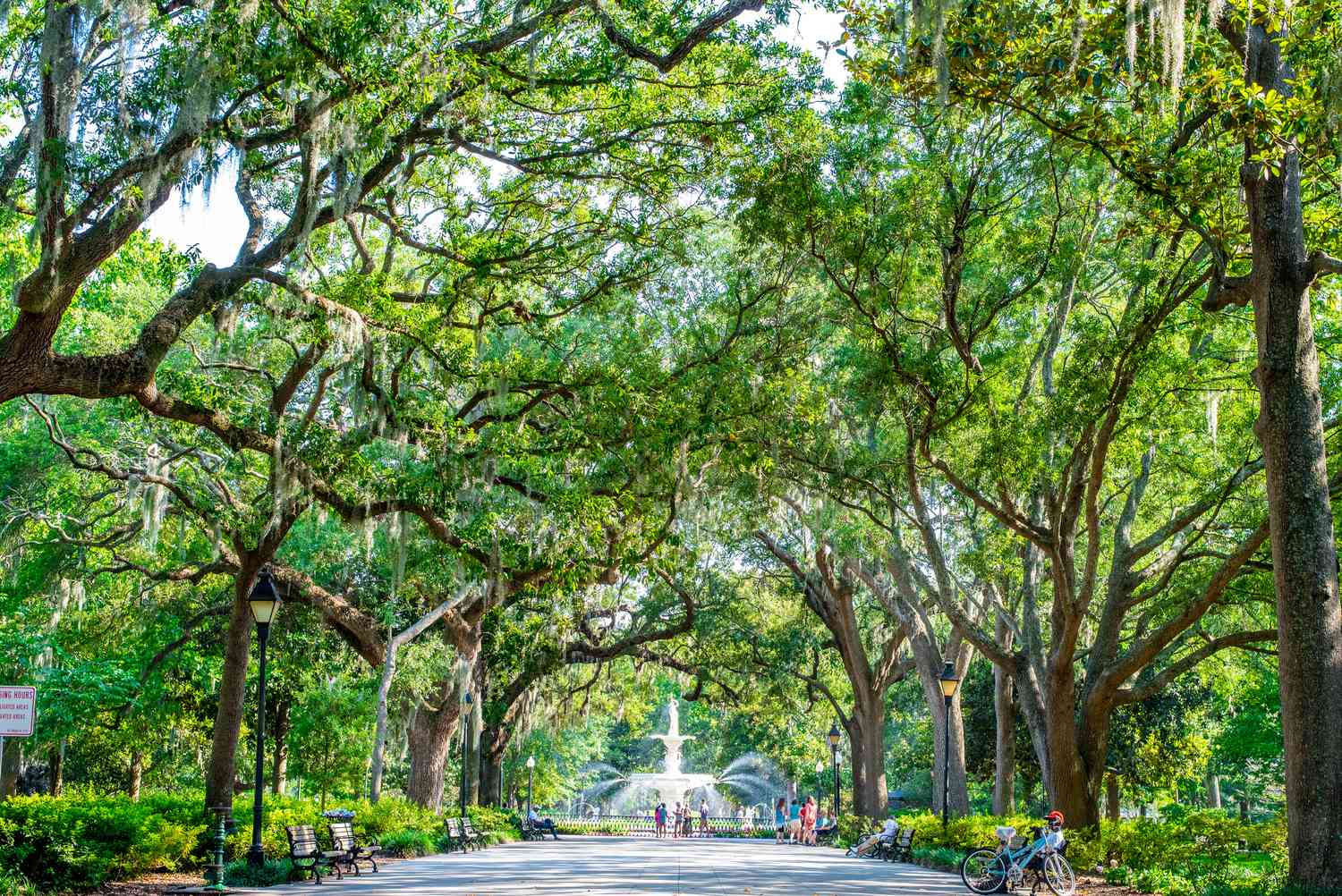
Fall is a beautiful time to explore Savannah, with the leaves changing color and a festive atmosphere. Several fall festivals and events take place during this period, including art festivals and food fairs. It’s a great time to wander through Forsyth Park and enjoy the milder weather.
While generally pleasant, fall can also bring some surprises. Early-season cold snaps are possible, as evidenced by the Extreme Cold Weather Watch issued for Savannah and Chatham County on January 30, 2026, as reported by savannahga.gov. While a deep freeze isn’t typical in November, it's wise to check the forecast before you pack. That watch suggests these early cold snaps, though unusual, are a possibility.
The transition from summer to winter is often gradual, but it’s always a good idea to be prepared for a range of temperatures. Layering your clothing is a smart strategy during this time of year.
Savannah Weather Comparison: Fall vs. Spring
| Temperature | Humidity | Crowds | Event Availability | Price |
|---|---|---|---|---|
| Mild and pleasant | Generally lower | Moderate | Good | Moderate |
| Warm to hot | Can be high | Moderate to High | Good | Moderate |
| Pleasant, but variable | Can be unpredictable | High | Excellent | Higher |
| Generally mild | Moderate | Moderate | Good | Moderate |
| Potential for cooler days | Lower | Lower | Moderate | Lower |
| Can experience occasional cold snaps | Variable | Low | Limited | Lowest |
Illustrative comparison based on the article research brief. Verify current pricing, limits, and product details in the official docs before relying on it.
Winter in Savannah: Mild and Moody
December through February is the coolest time of year in Savannah, but it’s rarely severely cold. Average high temperatures range from the 50s to the low 60s Fahrenheit, while lows can dip into the 40s. Frost is possible, but snow is a rare occurrence. For the latest updates on winter weather, savannahga.gov is a reliable source.
While you shouldn’t expect a white Christmas, Savannah winters can be damp and gray. Cloudy days are common, and occasional rain showers are likely. The off-season offers the benefit of fewer crowds and lower prices at hotels and attractions.
Despite the occasional chill, Savannah remains a charming destination in the winter. The city’s historic architecture and cozy restaurants provide a warm and inviting atmosphere. It’s a great time to explore the museums, art galleries, and shops at a more relaxed pace.
Packing for All Seasons
Packing for Savannah requires a bit of flexibility, as the weather can vary considerably throughout the year. The key is to layer your clothing, so you can adjust to changing temperatures. Comfortable walking shoes are essential, as you’ll likely be doing a lot of exploring on foot.
Regardless of the season, mosquito repellent is a must-have. Savannah is a subtropical city, and mosquitoes are prevalent year-round. A light sweater or jacket is also advisable, even in summer, as air-conditioned spaces can be quite cool. Don't forget sunscreen and a hat to protect yourself from the sun.
Here's what not to pack: heavy winter coats are generally unnecessary, unless you’re visiting during an unusually cold snap. Formal attire is rarely required, unless you plan to attend a special event. Focus on comfortable, casual clothing that’s suitable for warm weather and light rain.
Consider a small, foldable umbrella or a lightweight rain jacket. You'll appreciate having it on hand for those quick afternoon showers, especially during the spring and summer months. A reusable water bottle is also a good idea to stay hydrated throughout the day.
- Lightweight, breathable clothing
- Comfortable walking shoes
- Mosquito repellent
- Sunscreen
- Hat
- Light sweater or jacket
- Umbrella or rain jacket
- Reusable water bottle
Savannah Travel Essentials: Pack Smart for Any Weather
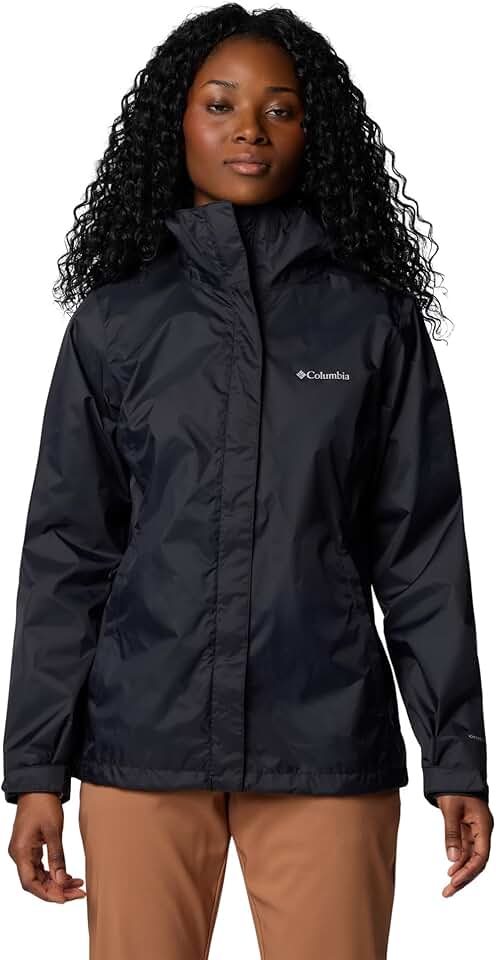
Waterproof and breathable fabric · Adjustable hood and hem · Lightweight and packable
This jacket offers reliable protection from Savannah's frequent spring and fall showers without being too heavy for warmer days.

Highly absorbent and quick-drying · Soft, plush texture · Compact and lightweight
Essential for humid Savannah days, this towel dries quickly and is easy to pack for beach trips or exploring.
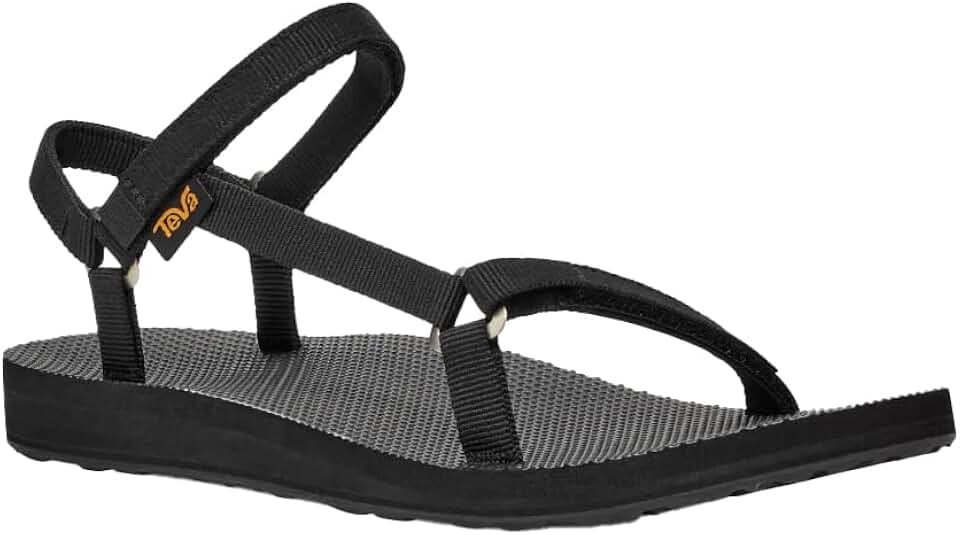
Durable polyester webbing straps · Cushioned EVA footbed · Universal Strapping System for a secure fit
Perfect for walking Savannah's historic streets, these sandals provide comfort and support while keeping your feet cool in the heat.

UPF 50+ sun protection · Wide brim for full face and neck coverage · Breathable fabric
With Savannah's strong sun year-round, this hat provides crucial UPF 50+ protection for your face and neck during outdoor activities.
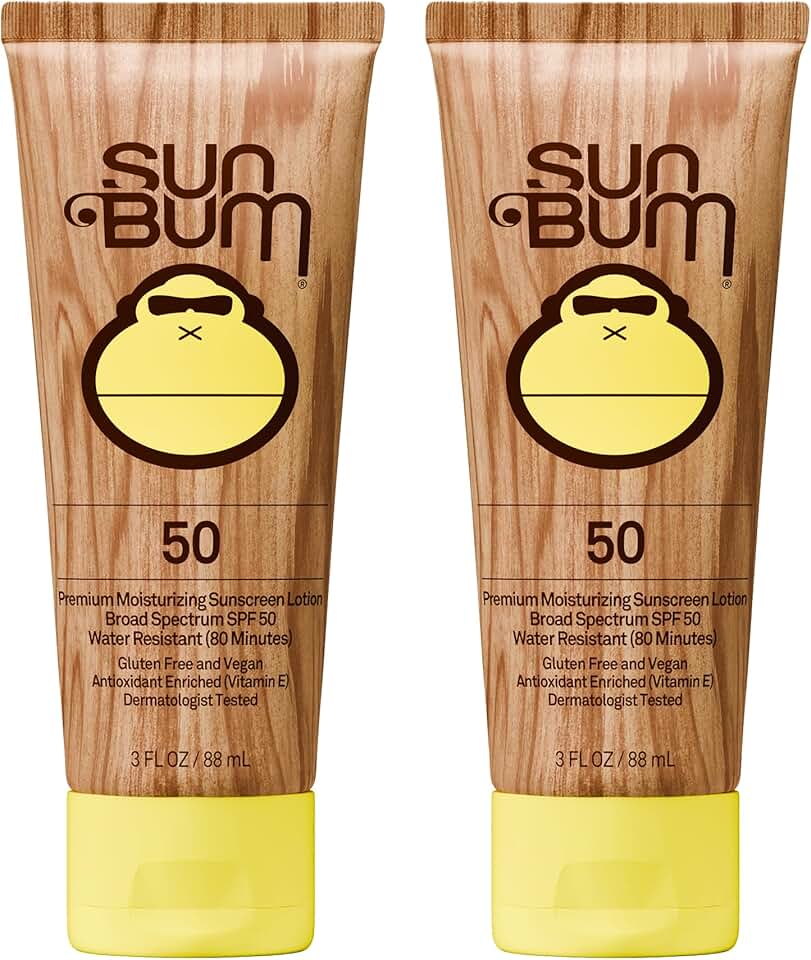
Broad spectrum UVA/UVB protection · Hypoallergenic and reef-friendly formula · Enriched with Vitamin E
Protect your skin from the intense Southern sun with this broad-spectrum, reef-friendly sunscreen, essential for any Savannah visit.
As an Amazon Associate I earn from qualifying purchases. Prices may vary.
Savannah Weather Resources
For the most up-to-date Savannah weather forecast, I recommend checking these reliable resources: forecast.weather.gov provides detailed hourly and daily forecasts, as well as long-range outlooks. savannahga.gov offers local weather updates and alerts, particularly during severe weather events.
Several reputable weather apps are also available for your smartphone, such as The Weather Channel and AccuWeather. Remember that the weather in Savannah can change quickly, so it’s important to check the forecast frequently, especially if you have outdoor plans. Staying informed will help you make the most of your visit.
No comments yet. Be the first to share your thoughts!