
Plan the route
The Savannah Travel works best as a clear sequence: define the constraint, compare the realistic options, test the tradeoff, and choose the path with the fewest hidden costs. That order keeps the advice usable instead of decorative. After each step, pause long enough to check whether the recommendation still fits the reader's actual situation. If it depends on perfect timing, unusual access, or a best-case budget, include a simpler fallback.
Stops worth prioritizing
Savannah’s historic district is dense with charm, but not every landmark justifies the detour. To save time and avoid tourist traps, separate the essential stops from the optional extras. The city’s layout revolves around 22 squares, but a handful of these hold the most historical weight and visual impact.
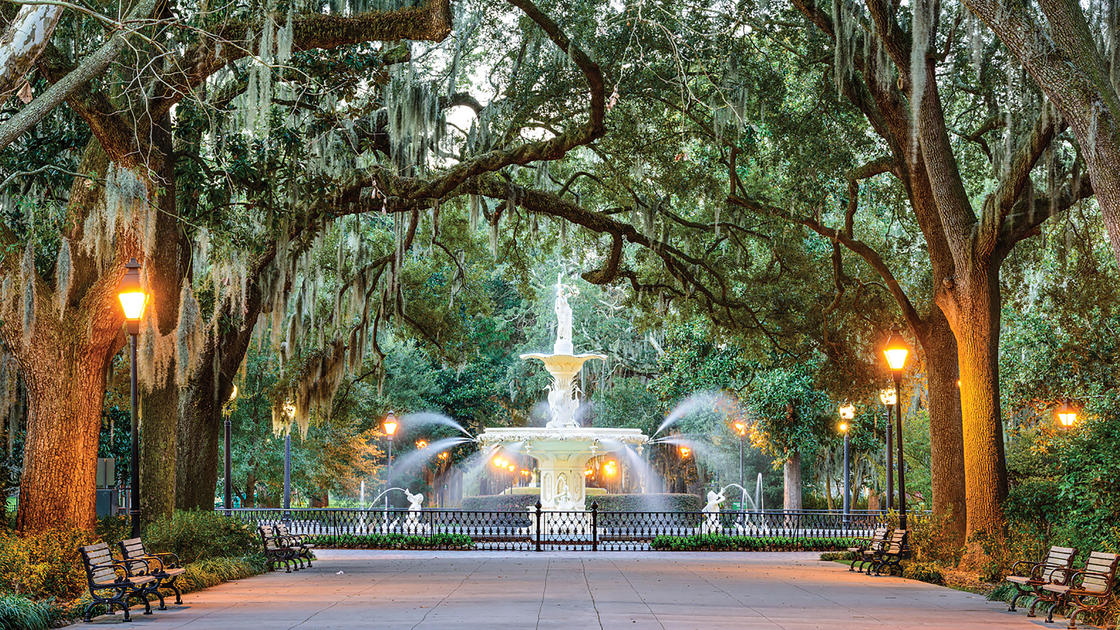
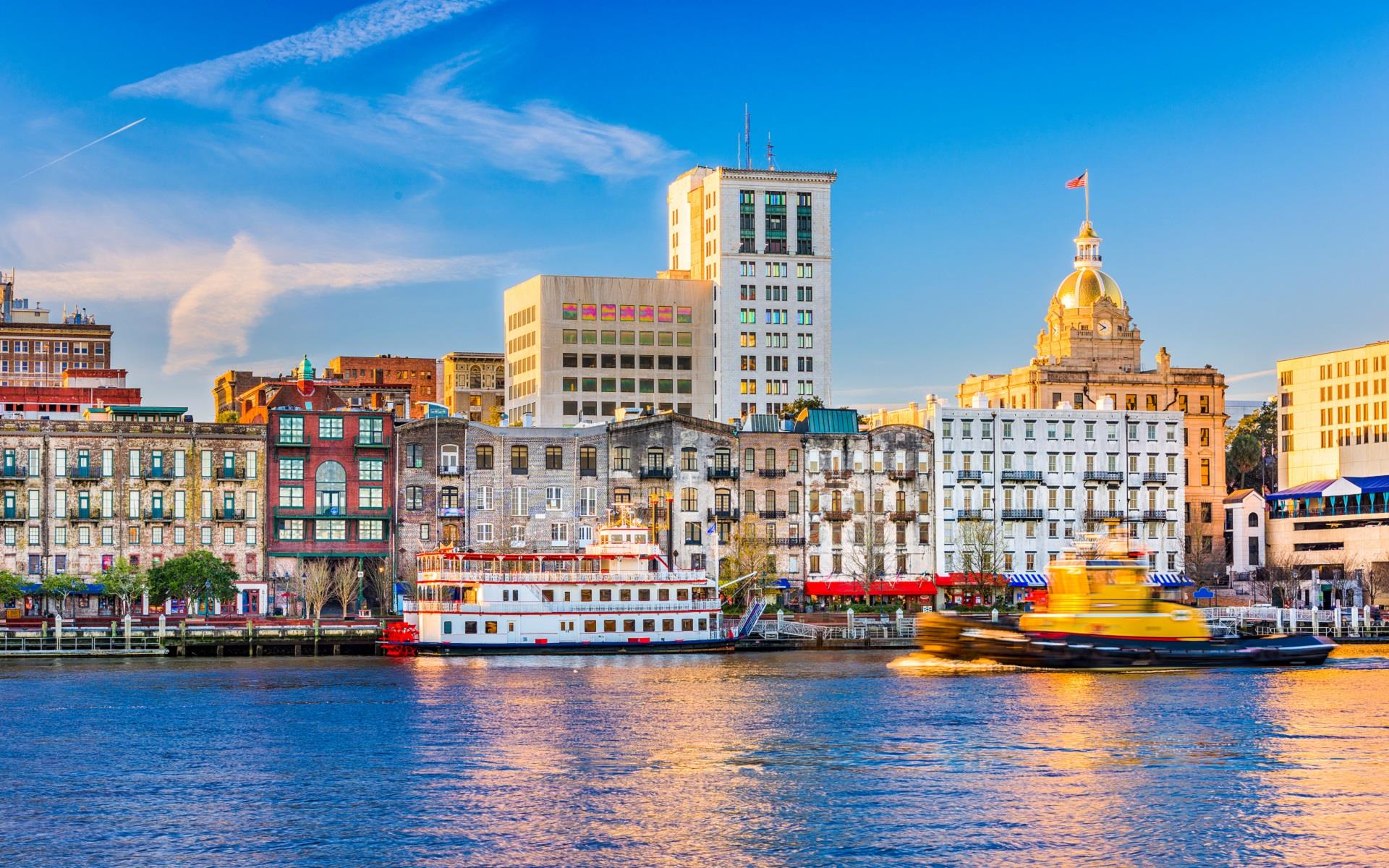
Start with Forsyth Park. It’s the city’s green lung, offering a clear break from the brick-and-mortar density. The fountain here is iconic, and the surrounding streets provide the best photo opportunities of Spanish moss-draped oaks. If you only visit one park, make it this one. From there, move to River Street. While commercialized, the cobblestone wharves and converted warehouses offer a tangible sense of Savannah’s cotton-trading past. Go early in the morning to avoid the crowds and hear the port’s ambient sounds before the shops fully open.
For a quieter, more atmospheric experience, prioritize Bonaventure Cemetery. It’s less a graveyard and more an open-air art gallery of moss-laden cypress trees and haunting mausoleums. The lighting here shifts dramatically throughout the day, so plan a visit around late afternoon for the best shadows. Avoid the heavily touristed squares like Chippewa Square during peak hours; the crowds can dilute the historic ambiance. Instead, seek out smaller squares like Mercer or Madison, which offer a more intimate glimpse into the city’s residential history.
| Stop | Best Time to Visit | Why It’s Worth It | Crowd Level |
|---|---|---|---|
| Forsyth Park | Early morning | Iconic fountain, open space, best light for photos | Low |
| River Street | Late morning | Historic wharves, river views, unique architecture | High |
| Bonaventure Cemetery | Late afternoon | Atmospheric, unique flora, quiet contemplation | Medium |
| Chippewa Square | Mid-day | Famous from Forrest Gump, central location | High |
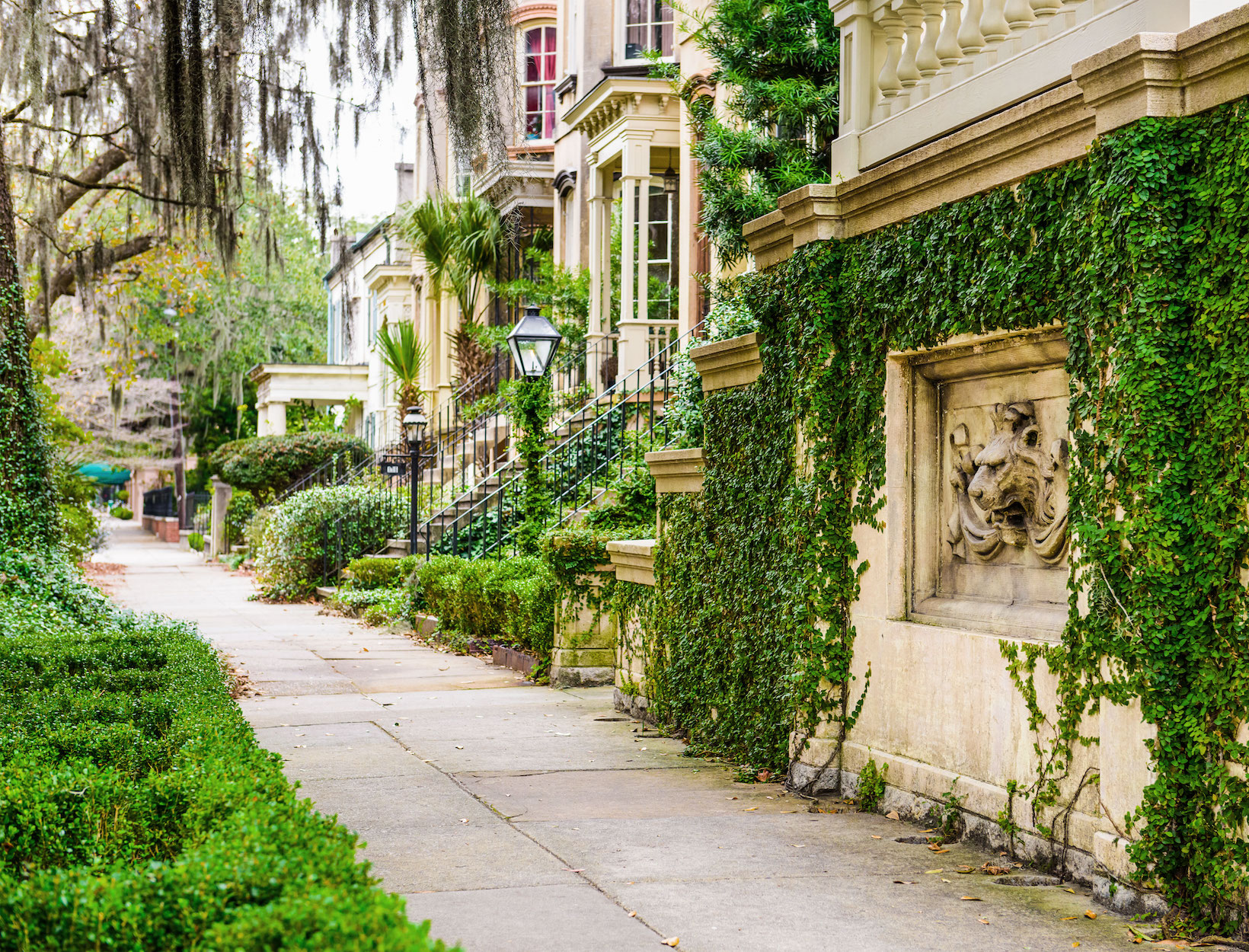
Many visitors get stuck in the grid of squares near River Street, missing the quieter, more authentic neighborhoods. If you have extra time, walk north from Forsyth Park to the Victorian District. The homes here are well-preserved, and the streets are less congested with tour groups. This area offers a different perspective on Savannah’s architectural diversity, showcasing styles beyond the antebellum period.
Finally, consider the Wormsloe Historic Site if you’re willing to drive 20 minutes south of downtown. The avenue of live oaks is one of the most photographed spots in Georgia, and the plantation ruins offer a deeper, if more somber, look into the region’s complex history. It’s a worthwhile detour if you have a car, but it requires a half-day commitment. For a shorter trip, stick to the historic district and prioritize the squares and parks that are within walking distance of each other.
Timing and logistics
Getting around Savannah requires a mix of patience and planning, especially if you want to see the historic district without fighting for space. The city’s core is compact but dense, and navigating it efficiently depends on knowing when and where to park.
Parking in the Historic District
Street parking in the historic district is limited and heavily regulated. Most spaces are metered from 8 a.m. to 9 p.m. Monday through Saturday. Look for the "Savannah Parking Authority" signs to find the nearest kiosk or use the PayByPhone app to avoid the hassle of coins. For a more reliable option, consider the public garages near City Market or the River Street area, though these can fill up quickly during peak tourist seasons.
Public Transit and Trolleys
Chatham Area Transit (CAT) runs local buses that cover most of the city, including the historic district. The free Trolley Tour is a popular way to get oriented, stopping at major landmarks like Forsyth Park and the Cathedral of St. John the Baptist. While convenient, the trolleys can be crowded, and schedules may vary by season. For a more flexible option, ride-sharing services like Uber and Lyft are widely available and often faster than waiting for a bus.
Reservations and Peak Times
Savannah’s restaurant scene is vibrant, but popular spots like The Grey and Husk require reservations weeks in advance, especially on weekends. If you’re visiting during the fall, when the weather is mild and festivals are frequent, book accommodations and dining early. Summer can be hot and humid, so plan indoor activities or evening strolls to avoid the midday heat.
No comments yet. Be the first to share your thoughts!