

savannah's climate at a glance
Savannah, Georgia enjoys a humid subtropical climate. That means warm, humid summers and mild winters – a classic Southern pattern. We experience four distinct seasons, though the transition between them can be quite swift. The city's location near the Atlantic Ocean and the influence of the Gulf Stream are major factors in moderating temperatures.
Humidity is a constant companion in Savannah, especially during the summer months. It’s something visitors should be prepared for, as it can make temperatures feel significantly warmer than they actually are. Average annual rainfall is around 45 inches, fairly evenly distributed throughout the year, though summer often sees the heaviest downpours.
The city is built for being outside, but you have to time it right. If you aren't used to the South, the humidity between June and August feels like walking through soup. Conversely, January can surprise you with a damp chill that bites harder than the thermometer suggests.
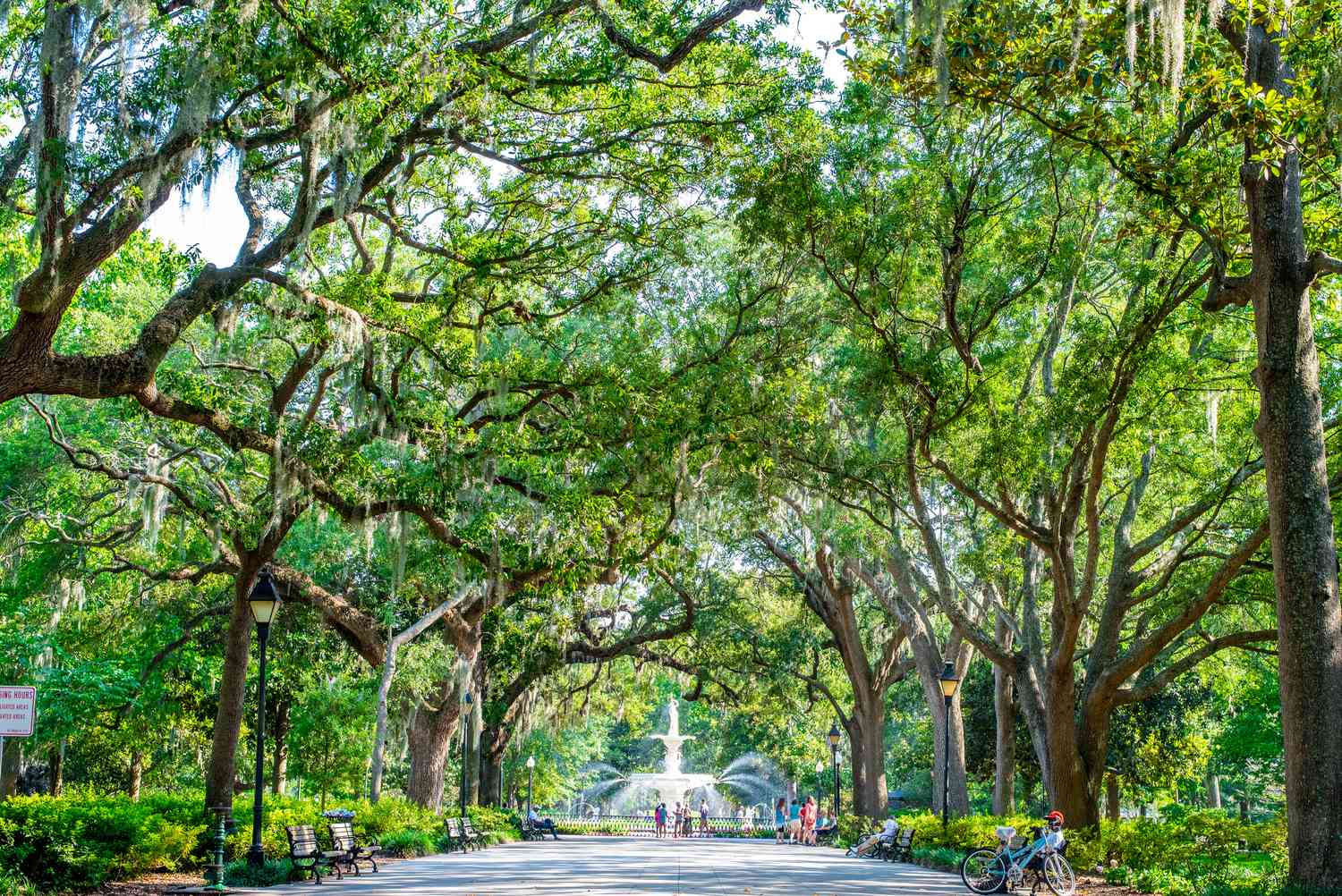
monthly weather breakdown for 2026
Weather in the Lowcountry follows a predictable rhythm, though individual years throw curveballs. These figures reflect the typical patterns for 2026 based on National Weather Service records.
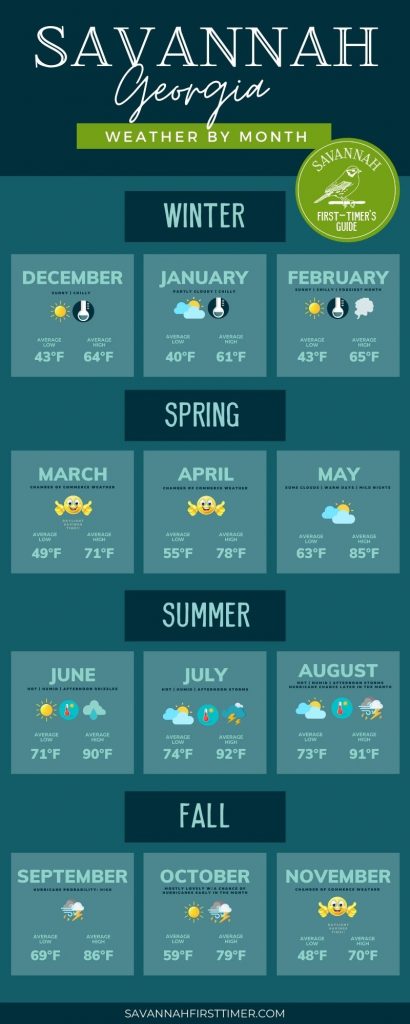
January: Expect average highs around 60°F (16°C) and lows around 40°F (4°C). Rainfall averages about 3.5 inches. Humidity is relatively low, but cold snaps are possible, as evidenced by the Extreme Cold Weather Watch issued for January 30, 2026. 'Feels like' temperatures can dip into the 30s during these periods.
February: Temperatures begin to climb slightly, with highs around 64°F (18°C) and lows around 44°F (7°C). Rainfall remains similar to January. The humidity is still moderate, making for comfortable days.
March: A noticeable warming trend begins. Highs average 70°F (21°C) and lows around 52°F (11°C). Rainfall increases to around 4 inches. This is often a pleasant time to visit, with fewer crowds and milder weather.
April: Temperatures continue to rise, with highs around 76°F (24°C) and lows around 58°F (14°C). Rainfall averages about 3.75 inches. Humidity starts to become more noticeable.
May: Warm and increasingly humid. Highs reach around 82°F (28°C) and lows around 66°F (19°C). Rainfall averages around 4.5 inches. This is a transition month as summer approaches.
June: Summer officially arrives. Highs average 88°F (31°C) and lows around 74°F (23°C). Rainfall increases significantly to about 6.5 inches, often coming in afternoon thunderstorms. Humidity is high, making it feel even hotter.
July: The hottest month of the year. Highs average 90°F (32°C) and lows around 76°F (24°C). Rainfall is around 6 inches. 'Feels like' temperatures can easily exceed 100°F (38°C).
August: Similar to July, with highs around 90°F (32°C) and lows around 76°F (24°C). Rainfall remains high at around 6.25 inches. The humidity is oppressive.
September: Temperatures begin to moderate slightly, with highs around 86°F (30°C) and lows around 72°F (22°C). Rainfall stays elevated at around 5.5 inches. Hurricane season is at its peak.
October: A very pleasant month. Highs average 78°F (26°C) and lows around 62°F (17°C). Rainfall decreases to around 4 inches. Humidity is lower, making for comfortable conditions.
November: Mild and comfortable. Highs average 70°F (21°C) and lows around 52°F (11°C). Rainfall averages about 3.5 inches. A great time to visit before the winter chill sets in.
December: Cool and mild. Highs average 62°F (17°C) and lows around 44°F (7°C). Rainfall is around 3 inches. Humidity is low. While generally mild, occasional cold snaps are possible.
- These are average temperatures; daily variations can occur.
- Humidity significantly impacts how temperatures feel.
- Rainfall amounts are averages and can vary considerably.
Savannah, GA - Monthly Climate Averages (2026 - Projected)
| Month | Avg. High (°F) | Avg. Low (°F) | Avg. Rainfall (inches) | Typical Feel |
|---|---|---|---|---|
| January | 58 | 42 | 4.5 | Cool and often damp |
| February | 63 | 46 | 3.8 | Mild with occasional showers |
| March | 70 | 53 | 4.0 | Pleasant and warming up |
| April | 77 | 60 | 3.5 | Warm and comfortable |
| May | 83 | 67 | 4.2 | Hot and humid, increasing showers |
| June | 88 | 73 | 6.5 | Hot, humid, and prone to thunderstorms |
| July | 90 | 76 | 7.0 | Very hot and humid, peak of summer |
| August | 89 | 75 | 6.8 | Hot and humid, potential for hurricanes |
Illustrative comparison based on the article research brief. Verify current pricing, limits, and product details in the official docs before relying on it.
hurricane season safety
Hurricane season runs from June through November. While direct hits are rare, the peak months of August and September often bring heavy tropical rain and wind that can disrupt travel plans.
According to savannahga.gov, current forecasted impacts can include rainfall of 1-2 inches and a 5-10% chance of tropical storm force winds. However, these forecasts can change rapidly. It’s essential to stay informed about potential threats.
Before a hurricane: Monitor weather reports, secure your belongings, and know your evacuation route. During a hurricane: Stay indoors, away from windows, and follow instructions from local authorities. After a hurricane: Be aware of potential hazards like downed power lines and flooding.
- Check the official Savannah city website for local evacuation zones.
- National Hurricane Center:
Savannah, GA Travel Essentials for All Seasons
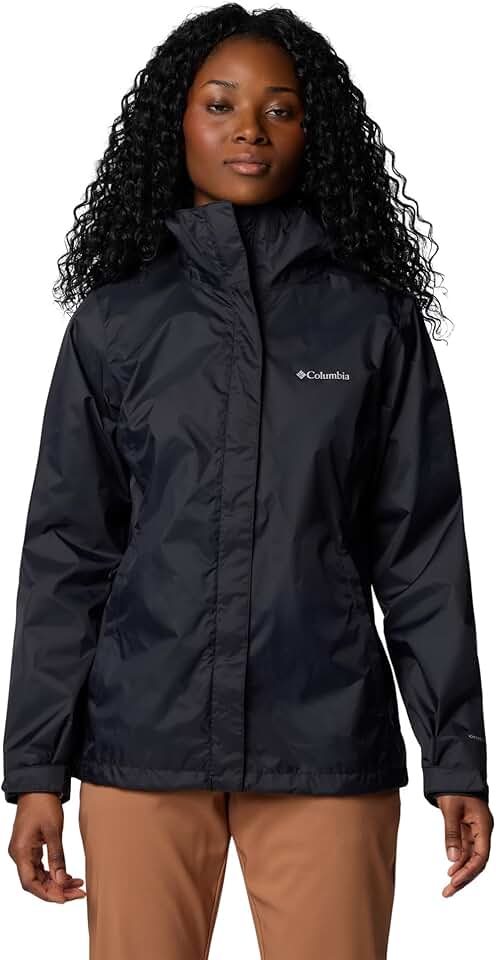
Omni-Tech waterproof/breathable critically seam sealed · Adjustable storm hood · Zippered hand pockets
This lightweight, waterproof jacket is ideal for unexpected Savannah rain showers, keeping you dry and comfortable.

Broad Spectrum SPF 50 · Water resistant (80 minutes) · Dermatologist tested
Protect your skin from the intense Savannah sun with this high SPF, water-resistant sunscreen, perfect for all your outdoor activities.

Repels mosquitoes, biting flies, gnats, sand flies, and chiggers · Made with oil of lemon eucalyptus · Repels for up to 6 hours
Keep pesky insects at bay, especially during warmer months, with this effective plant-based repellent.
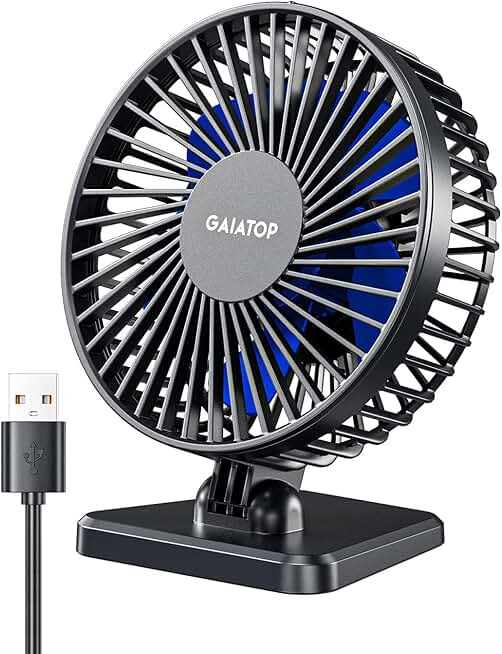
3 speed settings · Quiet operation · USB powered
Combat Savannah's humidity and heat with this portable and quiet desk fan, providing a personal cooling breeze wherever you go.

Goga Mat insole for cushioning · Lightweight and responsive 5GEN midsole · Breathable mesh upper
These comfortable and breathable walking shoes are perfect for exploring Savannah's historic streets and squares in warm weather.
As an Amazon Associate I earn from qualifying purchases. Prices may vary.
winter in savannah
While Savannah is known for its mild winters, cold snaps do occur. Freezing temperatures are not uncommon, and occasionally, ice storms can impact the area. The city and Chatham County are prepared for these events, but it's important for visitors to be aware of the potential risks.
The Extreme Cold Weather Watch issued on January 30, 2026, is a recent example of how quickly conditions can change. These watches are issued when the wind chill is expected to be below freezing, posing a risk of hypothermia. Savannah.gov provides updates and resources on winter weather preparedness.
Ice storms, while less frequent, can cause hazardous travel conditions and power outages. It’s always a good idea to check the forecast before traveling and to be prepared for potential disruptions.
- Savannah.gov Winter Weather Information:
Packing for All Seasons
Packing for Savannah requires a bit of flexibility, as the weather can change quickly. Layering is key, no matter the time of year. Here's a seasonal breakdown:
Spring/Fall: Lightweight clothing, a light jacket or sweater, comfortable walking shoes, and an umbrella. A light rain jacket is a good idea, as showers are common.
Summer: Lightweight, breathable clothing (cotton and linen are ideal), sunscreen, a hat, sunglasses, and comfortable sandals. Don't forget insect repellent!
Winter: Layers, including a warm jacket, sweaters, long pants, and closed-toe shoes. An umbrella or raincoat is still a good idea, as rain is possible even in winter.
No matter when you visit, comfortable walking shoes are essential. Savannah is a very walkable city, and you’ll want to be prepared to explore on foot. Also, don’t forget a reusable water bottle to stay hydrated, especially during the warmer months.
Savannah Weather Resources
To stay up-to-date on the latest Savannah weather conditions, here are some useful resources: forecast.weather.gov provides detailed forecasts and radar maps. The National Hurricane Center () is the official source for hurricane information. Local news stations like WTOC () also provide regular weather updates.

No comments yet. Be the first to share your thoughts!