

Savannah's Weather in a Snapshot
Savannah, Georgia generally enjoys a humid subtropical climate. This means warm, humid summers and mild, relatively dry winters. It's a city where you can experience all four seasons, although the transitions can be fairly quick. Average annual temperatures hover around 68 degrees Fahrenheit, but that number doesn't quite capture the full picture.
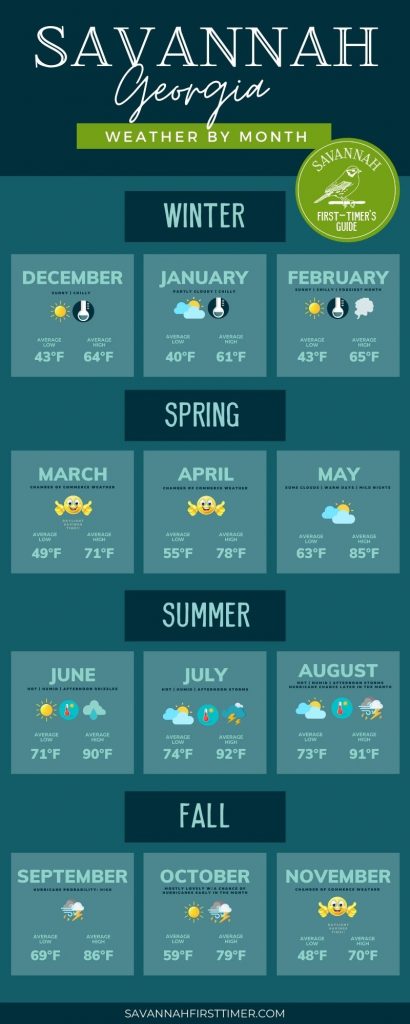
The summer months – June, July, and August – are undeniably hot and humid, with average highs in the upper 80s and low 90s. Humidity can easily push the 'feels like' temperature well over 100 degrees. However, the coastal breezes do offer some relief. Winter is much more temperate, with average highs in the 60s and lows rarely dipping below freezing.
Savannah also falls within the Atlantic hurricane zone. Hurricane season runs from June 1st to November 30th, and while a direct hit is thankfully rare, the city is certainly susceptible to tropical storms and heavy rainfall. It’s important to be aware of the potential for disruptions during these months, but don’t let it scare you away – Savannah is well-prepared for these events.
A common misconception is that Savannah is hot all the time. While summers are certainly warm, the spring and fall offer beautifully pleasant weather, perfect for exploring the historic squares and enjoying outdoor activities. The mild winters also make it a desirable destination for those escaping colder climates.
Monthly Climate Breakdown: 2026 Forecast
Here's a month-by-month look at what you can expect weather-wise in Savannah during 2026. Keep in mind these are averages, and actual conditions can vary.
January: Average highs are around 61°F, with lows dipping to 43°F. Rainfall is moderate, averaging about 4 inches. You can expect mostly cloudy skies, but also some sunny days. It’s a good time for a quiet visit, avoiding the crowds.
February: Temperatures begin to creep up, with highs around 65°F and lows around 47°F. Rainfall remains similar to January. It’s still a relatively cool month, but you might catch the beginning of the azalea blooms.
March: A truly lovely month! Highs reach around 72°F, and lows are around 53°F. Rainfall decreases slightly. The city starts to come alive with outdoor events and festivals.
April: Temperatures continue to climb, averaging highs of 78°F and lows of 60°F. Sunshine is plentiful, making it a perfect time for walking tours and exploring the historic district. The humidity is still relatively low.
May: The weather really hits its stride. Highs average 83°F, with lows around 66°F. Humidity begins to increase, but it's still manageable. This is a popular time to visit, so expect larger crowds.
June: The heat and humidity start to intensify. Average highs reach 88°F, with lows around 73°F. Rainfall increases, with afternoon thunderstorms becoming more common. June is when the humidity really starts to climb, making it feel warmer than the thermometer suggests.
July: Peak summer heat. Highs average 90°F, with lows around 76°F. Humidity is high, and afternoon thunderstorms are frequent. It's a good time to take advantage of indoor attractions and stay hydrated.
August: Similar to July, with highs around 90°F and lows around 76°F. The heat and humidity can be oppressive. It’s also prime hurricane season, so keep an eye on the forecast.
September: Temperatures begin to cool down slightly, with highs around 86°F and lows around 72°F. Rainfall remains high, with the continued risk of tropical storms. The crowds start to thin out.
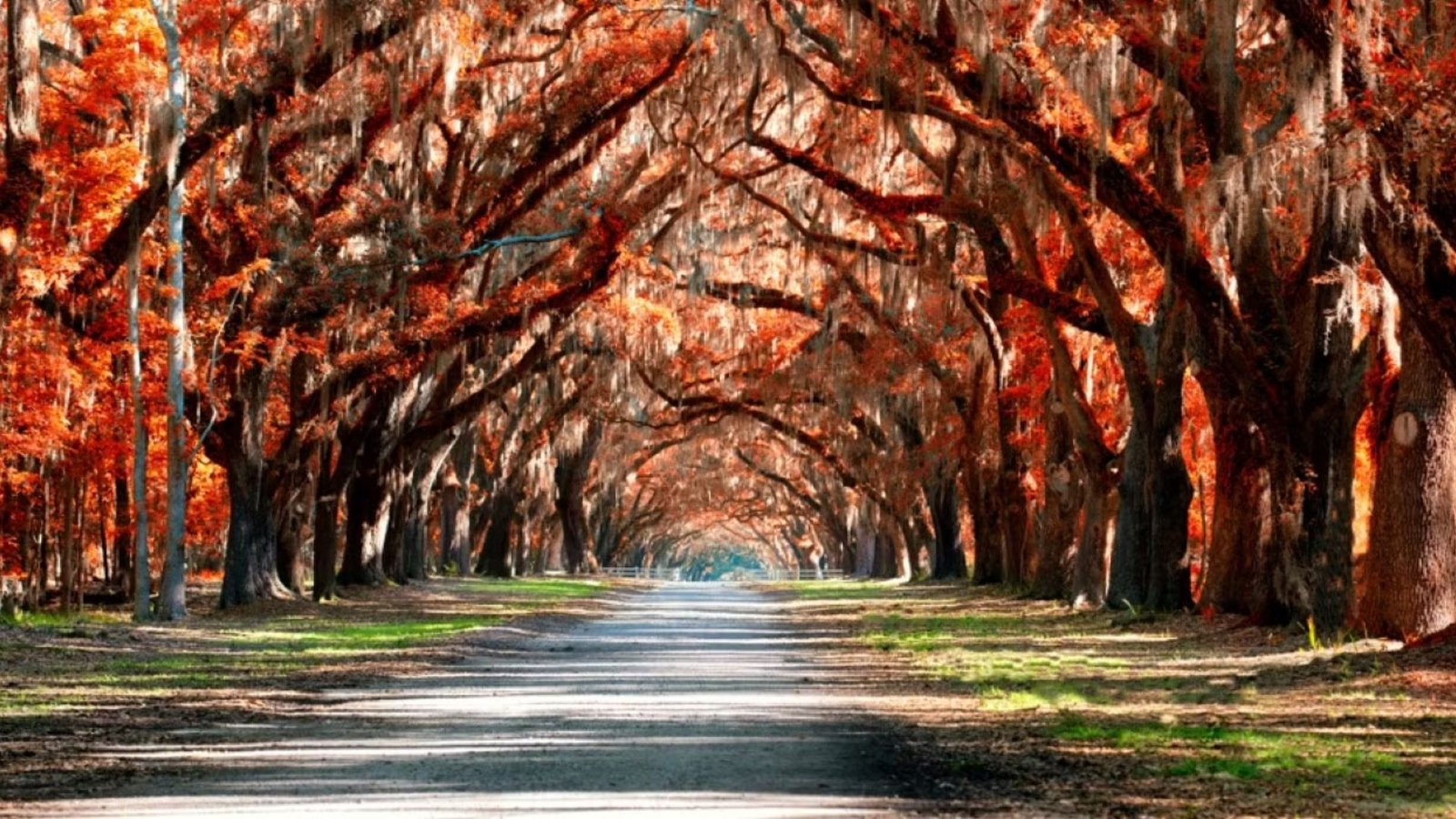
October: A fantastic month to visit. Highs average 80°F, with lows around 65°F. Humidity decreases, and the weather is generally pleasant. The leaves begin to change color, adding to the city’s charm.
November: Temperatures continue to drop, with highs around 73°F and lows around 56°F. Rainfall is moderate. It’s a great time for outdoor activities and enjoying the fall foliage.
December: Cool and mild, with highs around 65°F and lows around 48°F. Rainfall is relatively low. The city is beautifully decorated for the holidays.
- Keep in mind these are averages, and actual conditions can vary.
- Humidity plays a big role in how the temperature feels.
Savannah, GA - Monthly Climate Averages
| Month | Average High (°F) | Average Low (°F) | Average Rainfall (inches) | Typical Feel |
|---|---|---|---|---|
| January | 58 | 42 | 4.5 | Cool & Mild |
| February | 63 | 46 | 4.0 | Mild & Pleasant |
| March | 70 | 53 | 4.8 | Pleasant & Warming |
| April | 77 | 60 | 3.5 | Warm & Sunny |
| May | 83 | 67 | 4.0 | Warm & Humid |
| June | 88 | 73 | 6.5 | Hot & Humid |
| July | 90 | 76 | 7.0 | Hot & Very Humid |
| August | 89 | 75 | 7.5 | Hot & Humid |
| September | 83 | 70 | 6.0 | Warm & Less Humid |
| October | 76 | 62 | 4.0 | Pleasant & Mild |
| November | 68 | 53 | 3.5 | Cool & Comfortable |
| December | 61 | 45 | 4.0 | Cool & Mild |
Illustrative comparison based on the article research brief. Verify current pricing, limits, and product details in the official docs before relying on it.
Hurricane Season: What Visitors Need to Know
Savannah’s hurricane season officially runs from June 1st to November 30th. While a direct hit from a major hurricane is not common, the city is certainly at risk from tropical storms and heavy rainfall. The Savannah-Chatham Emergency Management Agency (SCEMA) is the primary source for official information and updates during hurricane season. You can find their website at savannahga.gov.
According to recent forecasts from savannahga.gov, current impacts include a potential for 1-2 inches of rainfall and a 5-10% chance of tropical storm force winds. It’s crucial to monitor the weather forecast closely if you’re visiting during these months. Hotels and tour operators have well-established procedures for handling hurricane warnings, typically involving evacuations and refunds.
Don't let the possibility of a hurricane deter you from visiting, but do be prepared. Purchase travel insurance that covers hurricane-related cancellations and disruptions. Familiarize yourself with evacuation routes and shelters. And most importantly, heed the advice of local authorities. Being informed is the best defense.
- Savannah-Chatham Emergency Management Agency (SCEMA): savannahga.gov
- Monitor the weather forecast closely.
- Consider travel insurance.
Best Times to Visit: Avoiding the Extremes
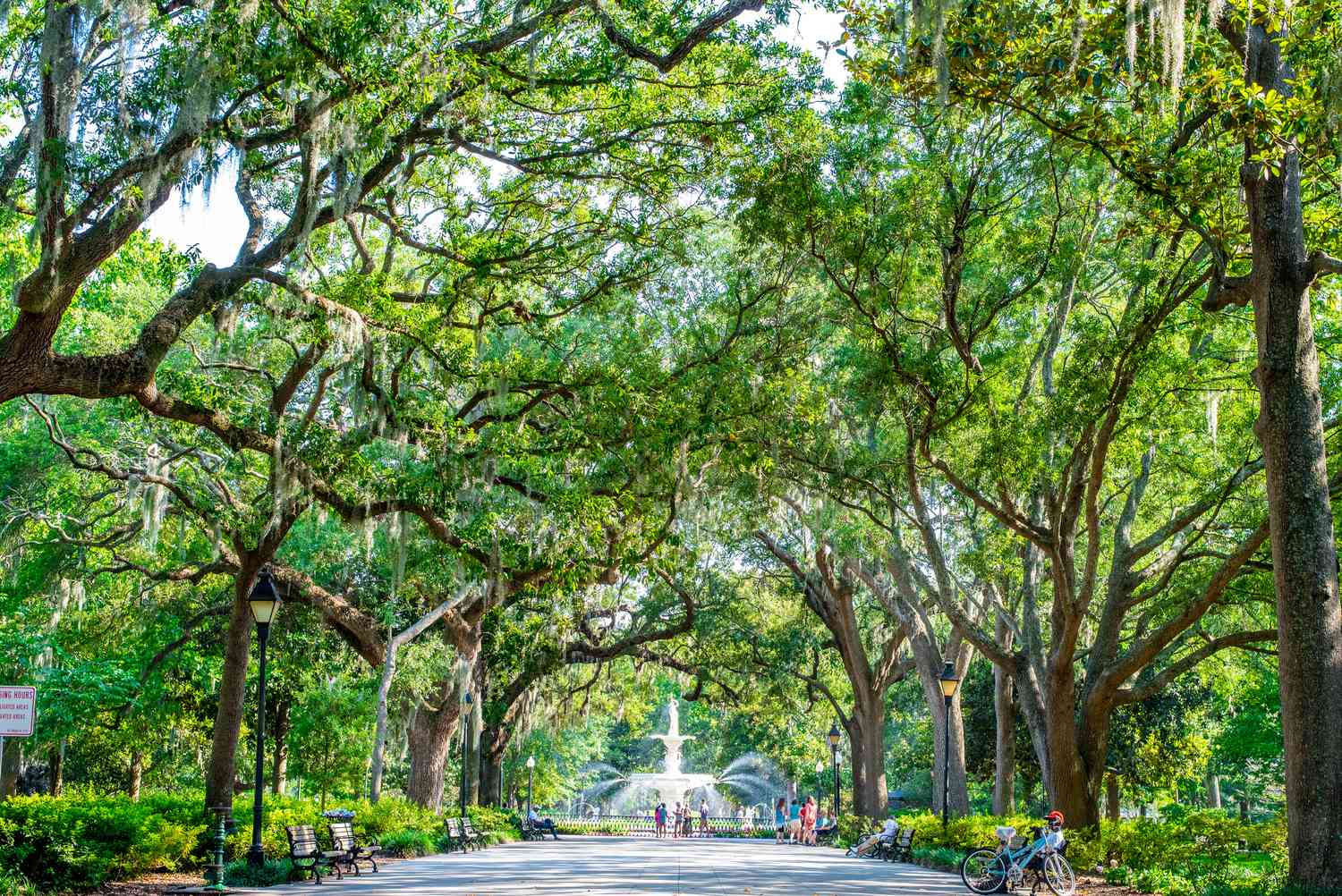
Based on the climate data, the best times to visit Savannah are generally March to May and September to November. These months offer a sweet spot of pleasant temperatures, lower humidity, and fewer crowds than the peak summer months. March, April, and May boast comfortable temperatures perfect for exploring the historic squares and enjoying outdoor activities.
September and October are also excellent choices. The intense summer heat has subsided, and the humidity is more manageable. Plus, you can experience the beautiful fall foliage and enjoy various festivals and events. November is another strong contender, with mild temperatures and a festive atmosphere as the holidays approach.
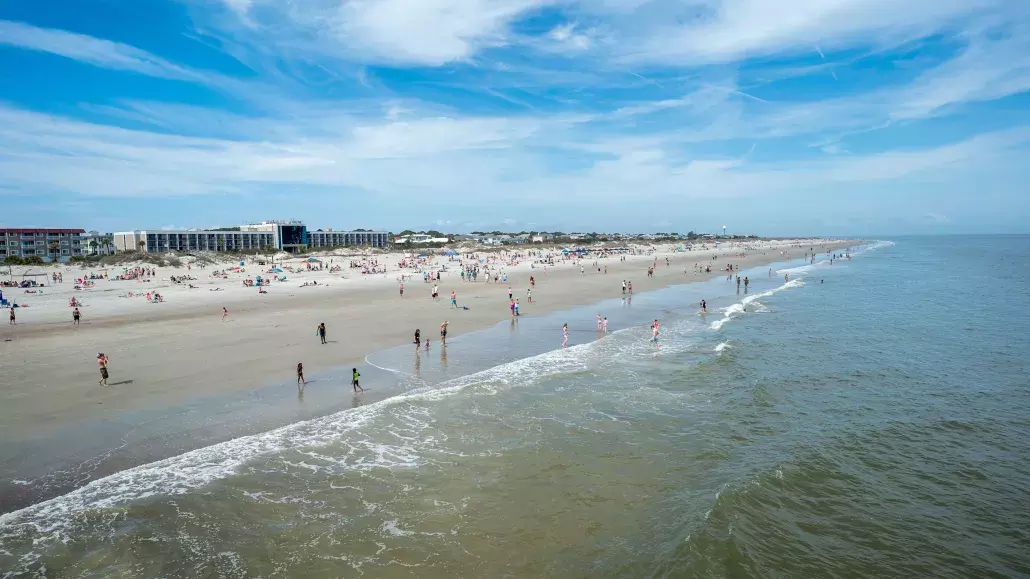
Of course, 'best' is subjective. If you're a beach lover and don't mind the heat, summer can still be enjoyable. Just be prepared for high humidity and the possibility of afternoon thunderstorms. If you're looking for budget-friendly travel, the shoulder seasons (March-May and September-November) often offer lower prices on accommodations and flights.
Packing Essentials for Savannah's Climate
What you pack for Savannah will depend on the time of year. For the summer months (June-August), lightweight, breathable clothing is a must. Think cotton, linen, and moisture-wicking fabrics. Don't forget sunscreen with a high SPF, a hat, and sunglasses to protect yourself from the sun. Insect repellent is also essential, as mosquitoes can be prevalent.
If you're visiting in the spring or fall, layers are your friend. Pack a light jacket or sweater for cooler evenings. Comfortable walking shoes are essential, as you'll likely be doing a lot of exploring on foot. A light rain jacket or umbrella is also a good idea, as sudden showers are possible.
For winter visits, bring a warmer jacket or coat, as temperatures can occasionally dip below freezing. A scarf, gloves, and a hat are also recommended. Regardless of the time of year, comfortable walking shoes are a must. And don’t forget a reusable water bottle to stay hydrated.
- Lightweight, breathable clothing (summer)
- Sunscreen, hat, sunglasses (summer)
- Insect repellent (summer)
- Light jacket or sweater (spring/fall)
- Comfortable walking shoes (year-round)
- Rain jacket or umbrella (spring/fall)
- Warm jacket, scarf, gloves, hat (winter)
Savannah, GA Weather Essentials for Every Season

Waterproof and lightweight design · Packable with a hood for convenience · Ideal for various outdoor activities like golf, hiking, and travel
This versatile rain jacket will keep you dry and comfortable during unexpected showers, making it perfect for any Savannah visit.

UPF 80+ sun protection · Foldable and packable for travel · Wide brim for ample shade
Protect yourself from the strong sun with this stylish straw hat, essential for enjoying Savannah's outdoor attractions.
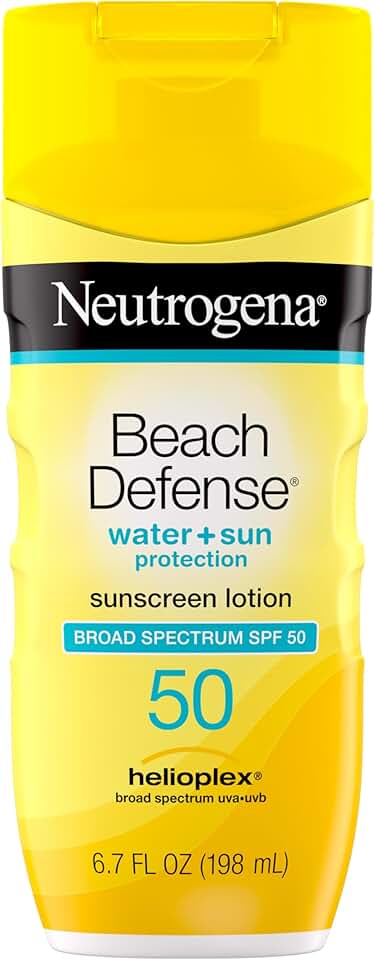
SPF 50 broad-spectrum protection · Reef-friendly formula (Hawaii Reef Act 104 Compliant) · Fast-absorbing, oil-free formula
This sunscreen provides robust protection against harmful UV rays, ensuring your skin stays safe while exploring Savannah's sunny landscapes.

Contains 100% DEET for effective repellency · Provides up to 10 hours of protection · Repels a wide range of insects including mosquitoes and ticks
Guard against bothersome insects, especially during warmer months or evening strolls, with this long-lasting repellent.

Quick-drying and super absorbent microfiber material · Ultra-compact and lightweight for easy packing · Versatile for beach, gym, camping, and travel
A quick-drying towel is indispensable for beach days, spontaneous dips, or simply staying fresh after outdoor adventures in Savannah's climate.
As an Amazon Associate I earn from qualifying purchases. Prices may vary.
Winter Weather: Rare, But Possible
Savannah doesn’t often experience snow or ice, but occasional cold snaps can occur. While significant snowfall is rare, temperatures can sometimes dip below freezing, especially overnight. The City of Savannah provides winter weather preparedness information on their website (savannahga.gov).
If you encounter freezing temperatures, be cautious of icy sidewalks and roads. Dress warmly in layers, and avoid prolonged exposure to the cold. The city typically takes steps to address icy conditions, but it’s always best to be prepared. While a winter wonderland in Savannah is unusual, it’s not impossible.
Savannah Weather Resources
For the most up-to-date weather information, check these resources: National Weather Service: weather.gov, WTOC First Alert Weather: wtoc.com, and The Weather Channel: weather.com. These sites provide detailed forecasts, radar maps, and weather alerts for the Savannah area. Staying informed will help you make the most of your visit, no matter the season.

No comments yet. Be the first to share your thoughts!