

Savannah’s Shifting Seasons: A Visual Guide
Savannah, Georgia, enjoys a subtropical climate, but it’s far from a one-note experience. Many people envision constant heat and humidity, but the reality is much more nuanced. We experience four distinct seasons, each with its own character and charm. While humidity is definitely a factor for a significant portion of the year, temperatures fluctuate considerably, making for a surprisingly diverse range of weather conditions.
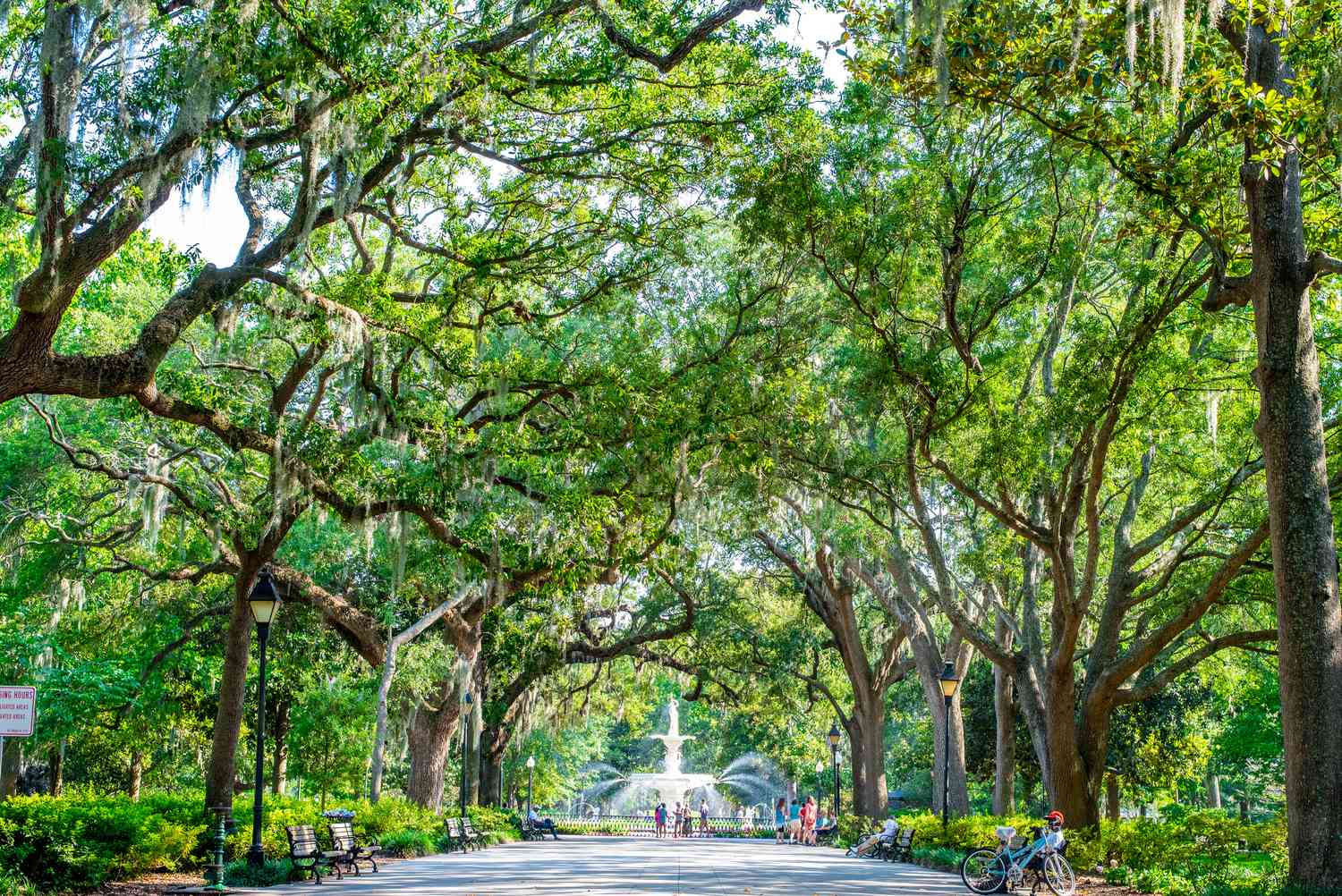
This guide will break down what to expect during each season, helping you plan your trip to Savannah with confidence. We’ll cover average temperatures, rainfall patterns, and potential weather hazards, so you can pack appropriately and make the most of your visit. Think beyond the image of Spanish moss and historic squares—Savannah's weather is a dynamic element of its appeal.
Don’t let the reputation for Southern heat deter you. Understanding the seasonal shifts will allow you to take advantage of everything this beautiful city has to offer, whether you’re seeking sunshine, blooming flowers, or a cozy winter escape. It's a place where you might need shorts and a light jacket on the same day, so preparedness is key.
Spring in Savannah: Blossoms and Breezes
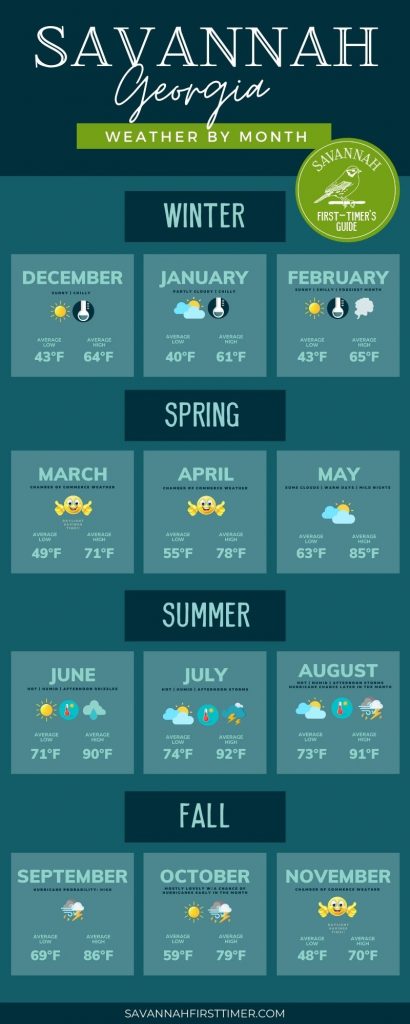
Spring (March-May) is arguably the most popular time to visit Savannah, and it’s easy to see why. The city comes alive with blooming azaleas, dogwoods, and wisteria, creating a truly spectacular display. Average high temperatures range from the low 70s in March to the low 80s in May, with lows typically in the 50s and 60s. The weather is wonderfully pleasant for strolling through the historic squares and enjoying outdoor activities.
Rainfall is moderate during spring, averaging around 3-4 inches per month, but showers are often brief and followed by sunshine. Humidity begins to creep up as the season progresses, but it’s generally manageable. However, be prepared for occasional pop-up thunderstorms, especially in the afternoons. The weather is generally mild enough for light layers during the day, but a light jacket or sweater is advisable for evenings.
Be aware of the pollen count. Savannah can experience high pollen levels in the spring, which can be problematic for allergy sufferers. If you’re prone to allergies, pack medication and consider checking the daily pollen forecast. Spring also brings a vibrant calendar of events, including the Savannah Music Festival and the St. Patrick’s Day parade, adding to the city’s lively atmosphere.
Here's a quick checklist for spring packing:
- Light layers: T-shirts, long-sleeved shirts, a light jacket.
- Comfortable walking shoes: You’ll be doing a lot of exploring!
- Umbrella or raincoat: For those occasional showers.
- Sunscreen: Even on cloudy days.
- Allergy medication: If needed.
- A hat: For sun protection.
Summer Heat & Humidity: Staying Cool in Savannah
Savannah summers (June-August) are hot and humid. Average high temperatures soar into the low 90s, and humidity levels often exceed 80%. Seeking refuge in air-conditioned spaces becomes a priority. While the heat can be intense, it doesn’t deter many visitors, especially those who are prepared.
Afternoon thunderstorms are common during the summer months, providing a brief respite from the heat. These storms are usually short-lived but can be heavy, so it’s best to be indoors during peak thunderstorm hours. The humidity can make it feel even warmer, so staying hydrated is essential. Drink plenty of water throughout the day.
To stay cool, plan your outdoor activities for the early morning or late evening when temperatures are slightly lower. Take advantage of indoor attractions like museums, art galleries, and historic house tours. Many restaurants offer shaded outdoor seating, but consider dining indoors for a more comfortable experience. And remember, sunscreen is your friend!
Hurricane season officially runs from June 1st to November 30th, and summer is a particularly active period. Staying informed about potential storms and heeding any warnings issued by local authorities is crucial. Resources like the National Hurricane Center (nhc.noaa.gov) and local news channels (like WTOC, wtoc.com) are invaluable for tracking storms.
- What to expect: High temperatures (90s), high humidity (80%+), afternoon thunderstorms, potential for hurricanes.
- Staying cool: Seek air-conditioned spaces, hydrate frequently, plan outdoor activities for early morning/late evening.
- Hurricane preparedness: Monitor weather forecasts, heed warnings, have a plan.
Fall’s Golden Embrace: The Sweet Spot for Visitors
Many Savannah locals will tell you that fall (September-November) is the best time to visit, and I wholeheartedly agree. The oppressive heat and humidity of summer begin to subside, making outdoor exploration much more enjoyable. Average high temperatures drop from the 80s in September to the 70s in November, with comfortable humidity levels.
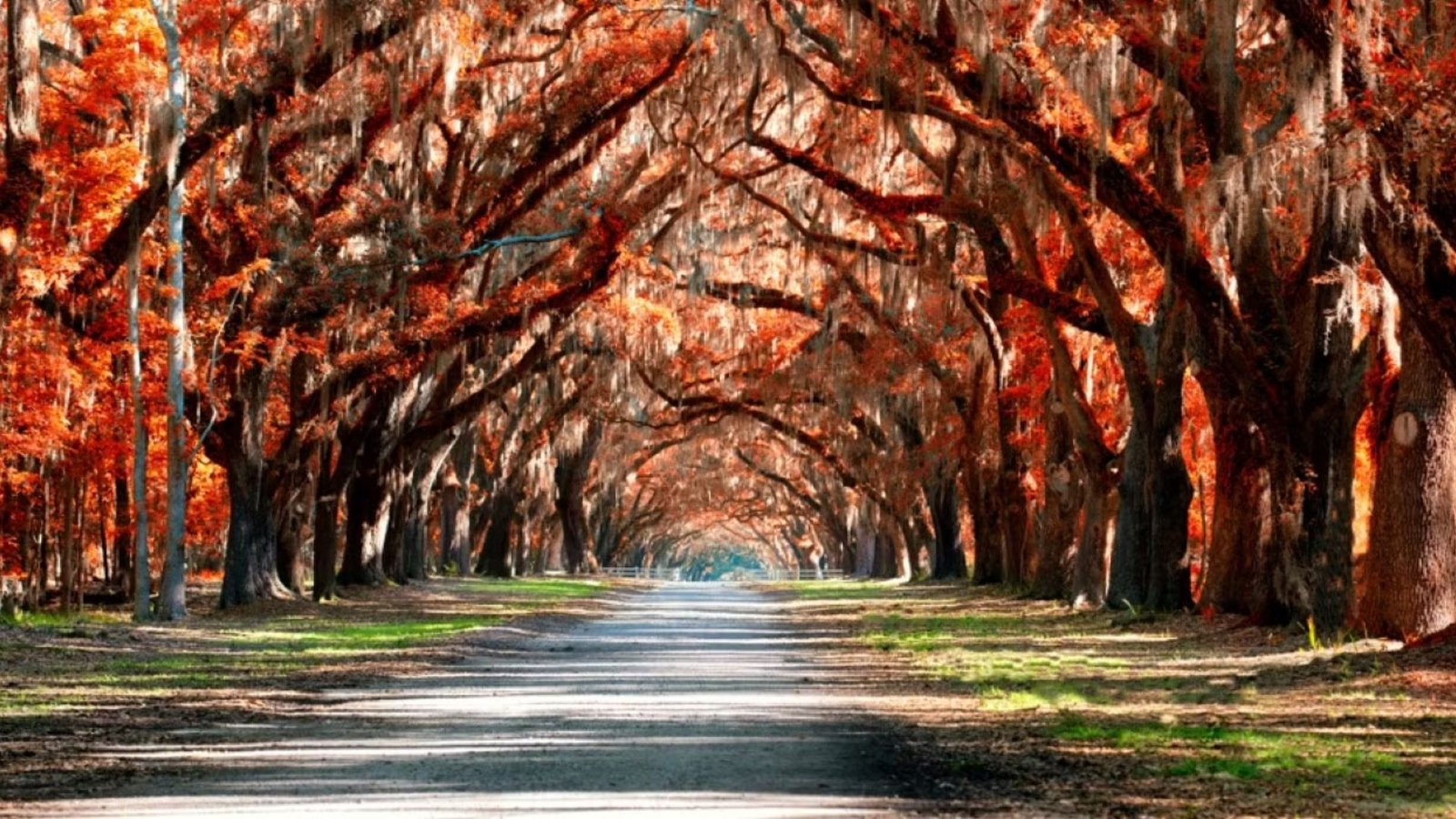
Rainfall decreases during the fall, and the skies are often clear and sunny. The city takes on a beautiful golden hue as the leaves change color, creating a picturesque backdrop for your visit. Fall also brings a variety of festivals and events, including food festivals and art shows.
While the peak of hurricane season is over, November still falls within the official hurricane season. Keep an eye on the weather forecast and be prepared for potential storms, though the risk is significantly lower than in August or September. Fall provides a sweet spot – pleasant weather, fewer crowds, and a vibrant atmosphere.
- Average Highs: September (80s), October (70s), November (60s)
- Humidity: Decreasing throughout the season.
- Events: Food festivals, art shows, and more.
- Hurricane Risk: Lower than summer, but still present in November.
Savannah, GA Seasonal Weather & Travel Considerations - 2026
| Season | Temperature | Humidity | Crowds | Hurricane Risk |
|---|---|---|---|---|
| Spring (Mar-May) | Mild | Moderate | Moderate | Low |
| Summer (Jun-Aug) | Hot | High | High | High |
| Fall (Sep-Nov) | Warm | Moderate | Moderate | Moderate |
| Winter (Dec-Feb) | Cool | Low | Low | Low |
| Spring (Mar-May) - Details | Average highs 60s-70s°F | Comfortable, increasing as season progresses | Increasing tourist activity, especially around St. Patrick's Day | Generally minimal |
| Summer (Jun-Aug) - Details | Average highs 80s-90s°F | High, often uncomfortable | Peak tourist season, expect larger crowds | Highest risk, peak of hurricane season |
| Fall (Sep-Nov) - Details | Average highs 70s-80s°F | Decreasing, more comfortable | Pleasant weather draws visitors, but less crowded than summer | Decreasing, but still a potential risk |
| Winter (Dec-Feb) - Details | Average highs 50s-60s°F | Generally low | Fewest tourists, quieter atmosphere | Lowest risk, though cold snaps can occur |
Illustrative comparison based on the article research brief. Verify current pricing, limits, and product details in the official docs before relying on it.
Winter in Savannah: Mild Days and Cool Nights
Savannah winters (December-February) are surprisingly mild compared to many other parts of the country. Average high temperatures range from the 60s, with lows typically in the 40s. While it rarely snows, occasional cold snaps can bring frost and even brief periods of icy conditions. On January 30, 2026, an Extreme Cold Weather Watch was issued for Savannah and Chatham County (savannahga.gov), indicating the possibility of unusually cold temperatures.
Rainfall is relatively low during the winter months, but cloudy days are common. Layering is key to staying comfortable, as temperatures can fluctuate throughout the day. A light jacket, sweater, and scarf are essential, and you might want to pack a heavier coat for particularly cold nights.
Visiting during the off-season offers several benefits, including lower prices on accommodations and fewer crowds. Savannah also hosts a number of holiday events, including festive light displays and Christmas parades. The city has a cozy and charming atmosphere during the winter months, making it a delightful time to explore.
- Average Highs: 60s.
- Average Lows: 40s.
- Potential for: Frost, icy conditions (rare).
- Packing Essentials: Layers, light jacket, sweater, scarf, heavier coat (optional).
Content is being updated. Check back soon.
Savannah Weather Alerts & Resources: Staying Informed
Staying informed about the weather is crucial, especially during hurricane season. The National Weather Service provides detailed forecasts and alerts for Savannah, available at forecast.weather.gov (specifically, 32.07N 81.1W and 32.13N 81.2W for localized forecasts). The city of Savannah’s emergency management website (savannahga.gov) offers valuable information about preparedness and evacuation procedures.
Pay attention to weather alerts, including watches, warnings, and advisories. A watch means conditions are favorable for severe weather, while a warning means severe weather is imminent. Familiarize yourself with the different types of alerts and what they mean. Local news channels, such as WTOC (wtoc.com), provide up-to-date coverage of weather events.
It’s always better to be prepared than to be caught off guard. Have a plan in place in case of severe weather, including a supply kit with essential items like water, food, and a first-aid kit. Knowing where to find reliable information and what to do in an emergency can make all the difference.
- National Weather Service: forecast.weather.gov
- City of Savannah Emergency Management: savannahga.gov
- Local News: wtoc.com
Content is being updated. Check back soon.
Packing Essentials: A Season-by-Season Breakdown
Building on our earlier checklist, let’s get specific about packing for each season. In the spring, prioritize light layers, comfortable walking shoes, an umbrella, sunscreen, and allergy medication. For summer, pack lightweight, breathable clothing, a hat, sunscreen, insect repellent, and a reusable water bottle. Don’t forget a light rain jacket for those afternoon thunderstorms.
During fall, layers are still important, but you can start to add some warmer items like a light fleece or sweater. A jacket or windbreaker is also a good idea. In the winter, pack a heavier coat, hat, gloves, and scarf. Comfortable walking shoes are essential year-round, as you’ll likely be doing a lot of exploring on foot.
Regardless of the season, layering is always a good strategy in Savannah. The weather can be unpredictable, and you might experience warm days and cool nights. Packing versatile items that can be mixed and matched will ensure you’re prepared for any conditions. Comfortable footwear is non-negotiable, and don’t forget essentials like sunscreen and insect repellent.
No comments yet. Be the first to share your thoughts!